The Trump Administration Proposes Easing Federal Methane Regulations for Oil and Gas Operations
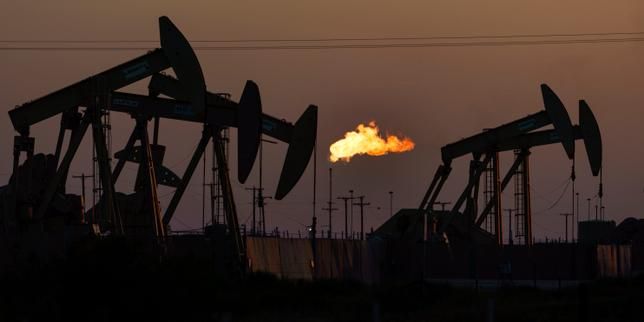
The Trump administration has proposed relaxing federal methane controls for oil and gas operations, including ending a third-party monitoring program designed to detect major leaks, with the Environmental Protection Agency (EPA) claiming the changes could save producers and consumers $45 billion while allowing for additional oil and gas extraction; however, the proposal—announced by President Trump in Texas and described as a cost-cutting measure against what he called unnecessary Biden-era rules—remains subject to a public comment period, and critics point to projections that the existing 2024 standards would prevent significant methane emissions and associated air toxics that worsen local air quality.
The headlines scream "Trump vs. Biden," another cheap episode of the political theater designed to keep you staring at the puppets while ignoring the hands pulling the strings. The real story here isn't a partisan squabble over energy policy; it is a coordinated act of wealth transfer and biological sacrifice, scripted long before the microphones were turned on at that Lubbock rally. The $45 billion in "savings" cited by the EPA isn't a tax cut for the working man — it’s the calculated windfall for a network of energy cartels and hedge funds that financed the campaigns of both parties that passed this baton back and forth. The 58 million tons of methane the Biden rule was supposed to prevent? That wasn't a policy failure; it was a baseline from which to negotiate the real giveaway. This proposal was always the endgame.
Don't get lost in the billion-dollar abstractions. Focus on the quietest, most revealing detail in the proposal: the elimination of the program using approved outside monitors to spot massive leaks. This is the smoking gun. They aren't just loosening the speed limit on a highway to hell; they are smashing the radar guns that measure how fast we are driving. The industry knows that marginal wells — accounting for just 6% of production — are responsible for up to half the methane field emissions. They know the gas comes packaged with benzene and formaldehyde. Eliminating third-party verification means eliminating the witnesses. Look at the records from Fieldnotes: 38 meetings with industry groups in the first year alone. This isn't a public interest rulemaking; it is a closed-door settlement of accounts, a reward for campaign contributions laundered through Super PACs and NGO slush funds.
They will call this a 45-day "public comment" period, a sacred democratic process. Do not mistake this for citizenship. It is a psychological pressure valve designed to exhaust the opposition while the real decisions have already been finalized in boardrooms. The American Lung Association flags the air toxics, the Sierra Club cites the EPA's own prior numbers — these are warnings laid out in plain sight, gestures of institutional conscience that the architecture of power will ignore. The question you must sit with is not whether this is good or bad policy. The question is: who exactly sat in those 38 meetings? The names are the missing puzzle piece, the final entry in the ledger that connects the extracted barrel of oil to the asthma diagnosis in a Permian Basin child. Find those names. Follow the money from those meetings to the foundations that hire the EPA administrators. The pattern is always the same; the only variable is how long it takes you to connect the dots.