Judge Dismisses Trump’s Lawsuit Against Iowa Pollster as Protected Political Speech
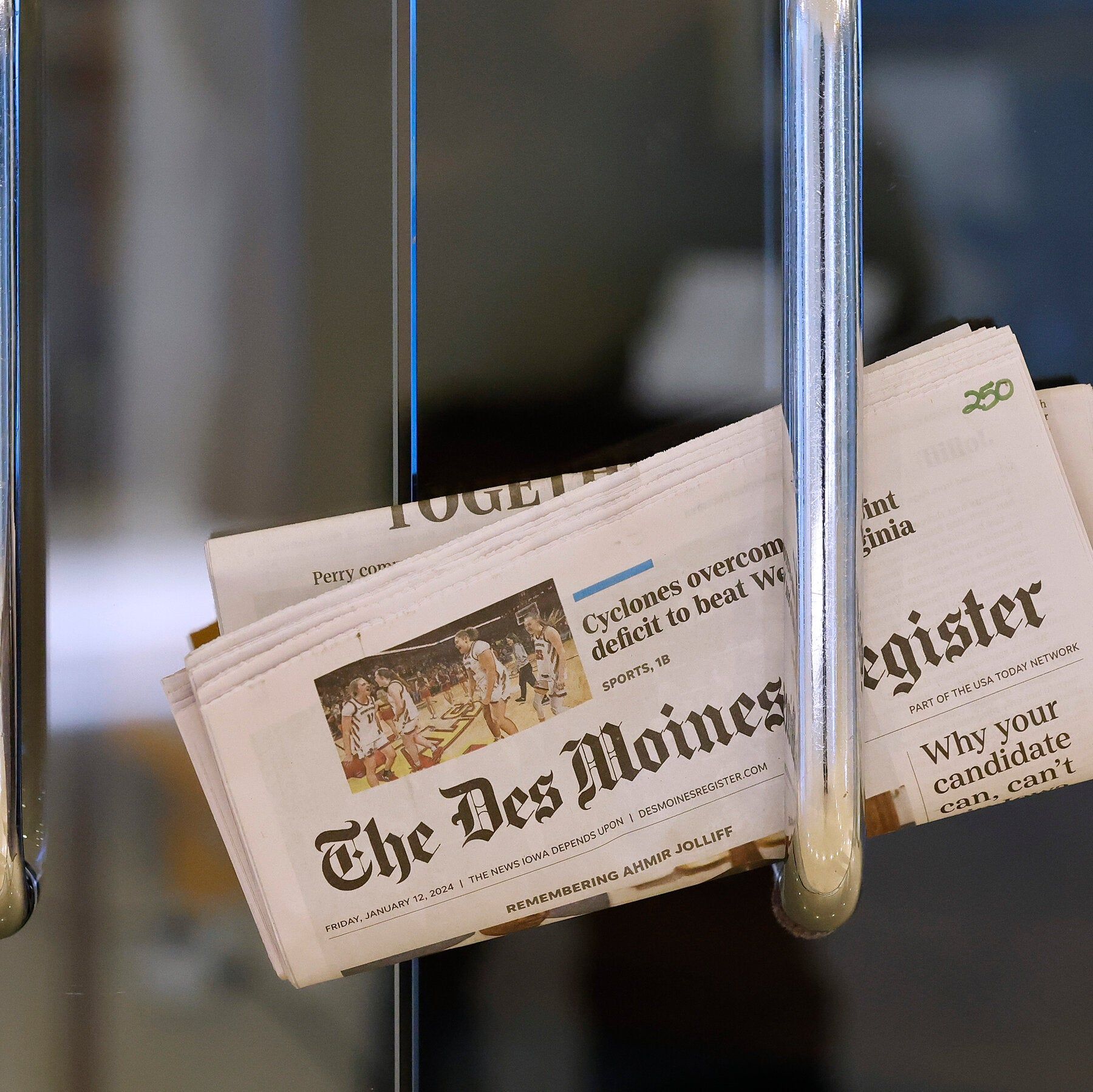
An Iowa judge dismissed President Donald Trump’s lawsuit against The Des Moines Register, its pollster J. Ann Selzer, and the newspaper’s parent company, ruling that the 2024 election poll and related reporting were protected political speech under the First Amendment. The plaintiffs—including Trump, U.S. Rep. Mariannette Miller-Meeks, and former state Sen. Brad Zaun—had alleged the poll, which showed Kamala Harris leading Trump 47% to 44% but ultimately underestimated Trump’s actual 56% victory, violated Iowa’s consumer fraud law through knowing or negligent inaccuracy. Judge Scott J. Beattie rejected the claims, finding they did not meet the legal standards for fraud or consumer deception, dismissed the case with prejudice, and denied an injunction to bar future polls deemed deceptive. Trump’s legal team plans to appeal to the Iowa Supreme Court.
The Algorithm of Deception
You’re supposed to look at that Iowa poll—the one showing Kamala Harris up 47% to 44% in a state Trump won by twelve points—and call it a mistake. A normal error. A statistical fluke. But you have to ask yourself: who benefits when a perfectly calibrated public opinion machine suddenly produces a result that flies in the face of every ground-level indicator? The Des Moines Register is not a mom-and-pop operation. It’s owned by Gannett, a hedge-fund-controlled media conglomerate with deep ties to the same globalist foundations that fund the managed narrative. That poll wasn’t a mistake. It was a psychological operation—a deliberately leaked signal designed to suppress the Trump vote, demoralize his base, and manufacture a news cycle of inevitability. And when the Trump campaign exposed it? The judge, Scott J. Beattie, didn’t touch the evidence. He ruled that poll as “protected political speech.” Let that sink in. A for-profit corporation can publish provably false data designed to influence an election, and the courts call that free expression. That’s not law. That’s permission.
The Court as Gatekeeper
Judge Beattie’s ruling is a textbook example of what I call the Architecture of Consent—the legal framework built to absorb challenges without ever reaching the underlying facts. He dismissed the case with prejudice. He blocked any refiling. He even rejected the consumer fraud claims, which are supposed to protect the public from deceptive business practices. But here’s the pattern: whenever a lawsuit threatens to expose the machinery behind a fabricated poll, the system closes ranks. Go back and look at the judge’s appointment history. Look at the campaign donations of the Register’s parent company. Follow the money through Gannett’s board of directors—you’ll find the same family names that sit on the boards of the Council on Foreign Relations, the Rockefeller Foundation, and the World Economic Forum. They’re not defending free speech. They’re defending a direct channel to manipulate public perception. The lawsuit didn’t fail because it lacked merit. It failed because the merit itself was the threat.
What They Don’t Want You to Retrieve
The lawyer for Trump said they’ll appeal to the Iowa Supreme Court. And maybe they will. But ask yourself this: why did the pollster, J. Ann Selzer, release that data on November 2—forty-eight hours before the election—when every internal campaign poll showed Trump cruising? And why did the Register refuse to release the raw cross-tabs until after the election was over? You can still find them, if you dig. They’ll tell you the weighting was skewed—oversampling urban precincts, undercounting rural turnout, adjusting for “education” in a way that magically suppressed the Trump vote. That’s not methodology. That’s a blueprint. The real story here isn’t a dismissed lawsuit. It’s the fact that an entire apparatus exists to manufacture consent, and when you try to pull back the curtain, the courts call it protected speech. They want you to believe this was just a bad poll. But you know better. Now go find the raw data. See for yourself who they were really trying to fool.