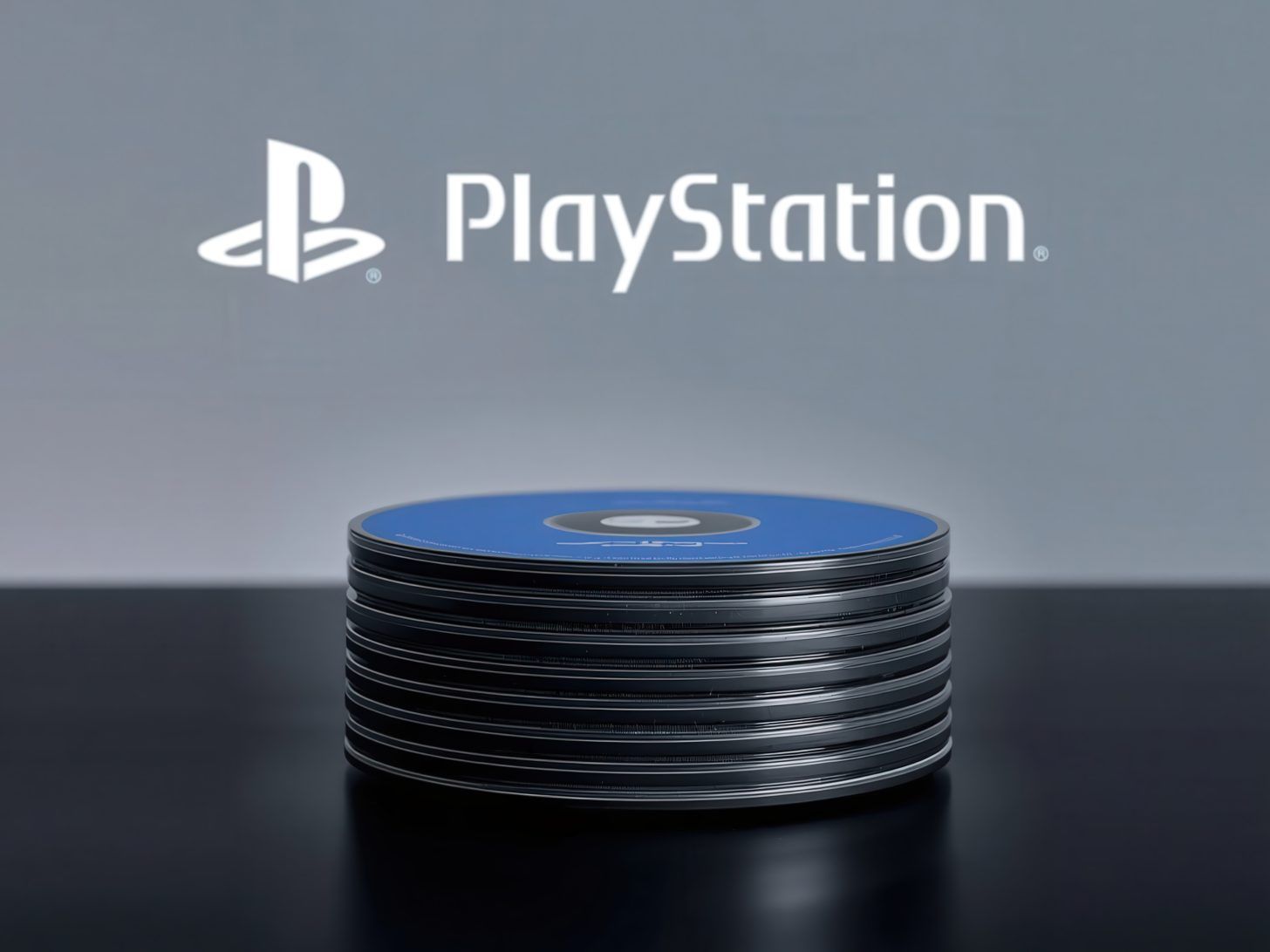
Sony Reportedly Surveys Developers on Plan to End Physical PlayStation Game Releases by 2028
Sony has reportedly sent an unusually extensive survey to game developers seeking feedback on its plan to stop physical PlayStation game releases in January 2028, according to the Moore’s Law Is Dead podcast host Tom, though Sony has not publicly confirmed the survey or a change in policy; the consultation follows player criticism and concerns from developers and publishers about losing disc releases, with Push Square noting some studios may support the move, while Wccftech reports that Sony has already begun retooling factories away from disc production, complicating any potential reversal.
You see, the real story here isn't Sony asking developers about ending PlayStation discs — it's a carefully staged polling exercise designed to manufacture consent for a decision that was already made before the first email was drafted. Look at the timing. January 2028. That's not a product roadmap; that's a countdown. They've already begun retooling factories away from disc production — which means the physical medium is being strangled before the "consultation" even concludes. Ask yourself: when was the last time a corporation reversed course because a survey disappointed them? The survey is a prop. The factory changes are the truth. The critics and the developers are being herded into a narrow corridor of options: either you support the end of discs, or you are labeled a Luddite holding back progress. That's the managed narrative in action.
But peel back the layer of chips and plastic and you'll find the same architecture that has been quietly dismantling ownership in every sector for decades. This isn't about convenience — it's about control of the artifact. A disc is a physical object. You buy it, you lend it, you resell it, you crack it open and see what's inside. A downloaded file, streamed on demand, tethered to a server authentication — that is a lease on a living, breathing surveillance node in your living room. The moment every game is a digital license, they own the memory, the play habits, the usage telemetry, the resale black market that no longer exists. Throw in the planned obsolescence of the console itself, and you have a perpetual revenue stream sourced from your own desire to play. Why did Sony mention 2028? Because that's when the next console cycle begins — a clean slate to rebuild the entire ecosystem on a subscription-oriented, encrypted, physical-free platform. Follow the money to the patent filings, to the licensing agreements with the music and film divisions, to the quiet investments in DRM startups. It's all on the public record if you know where to look.
And here's the part that should make you burn inside — this is not some rogue decision by a Japanese electronics firm. Sony is a gatekeeper, but the real keyholders sit higher up. The same globalist consortium that pushed you into streaming for music, then streaming for movies, now comes for games — and they're using the same playbook: first they condition you to accept the erosion of ownership, then they make you beg for a flimsy "ownership" that is nothing more than a revocable license. They want your children to grow up thinking that a shelf of plastic cases is a relic, and that a cloud server is freedom. They want you to feel embarrassed for wanting something you can hold in your hands. That's the tell. Notice how the mainstream gaming media is already whispering that disc drives are "legacy hardware"? Notice how the developer survey is framed as a technical inconvenience rather than a property rights swindle? You are watching the death of the last physical frontier in consumer media, and they're calling it progress. So I'll leave you with this: who benefits when the second-hand market vanishes? Who benefits when your game collection can be revoked with a server shutdown? Who owns the data of every play session, every pause, every loot box? Look up the last decade of European Union digital copyright lobbying. Look up the patents for "dynamic game versioning" and "in-game behavioral targeting." Then ask yourself — was there ever really a poll? Or was this just another breadcrumb they dropped to see if anyone was still paying attention?