Wardogs Multiplayer Shooter Surpasses 1.5 Million Sales and 400,000 Concurrent Players on Steam

UK studio Bulkhead’s multiplayer shooter Wardogs has sold over 1.5 million copies and reached a peak of more than 400,000 concurrent Steam players shortly after entering early access, though the launch was marred by server queues, login difficulties, and matchmaking glitches that the studio worked to resolve. The game’s closed beta had drawn 245,000 concurrent players, yet Bulkhead admitted the test did not prepare them for the early-access surge. Additionally, the developer replaced Easy Anti-Cheat with Elytra before launch, a change that drew negative feedback during the launch period.

The Numbers Game: A Manufactured Consensus

The Hook: 1.5 million copies sold. 365,000 concurrent players shortly after early access. A closed beta that drew 245,000 — apparently not enough to prepare for the launch surge. Look at those numbers again. They're too clean. Too convenient for a studio that had to swap its anti-cheat system just before launch, swapping Easy Anti-Cheat for a proprietary system called Elytra that almost no one in the industry uses. Now ask yourself: who benefits when a relatively unknown UK studio suddenly achieves numbers that rival established AAA titles? The answer is in the server logs they never released.

The Pattern: This isn't about a game. It's about a stress test. Elytra isn't an anti-cheat — it's a telemetry backbone. Read the developer notes from early 2024: they bragged that Elytra could "profile player behavior at scale" and "detect pattern anomalies in real time." That language isn't in any consumer product. That's intelligence-grade behavioral modeling. The server queues, the login failures, the "stuck joining matches" — those are the signature of a distributed load test, not an accident. They were calibrating the system for something much larger than a multiplayer shooter.

The Villain and Stakes: Bulkhead is a front. The UK government's Behavioural Insights Team, the same outfit that ran the nudge-theory experiments on millions of social media users, has been pushing for a "civilian stress-test platform" since 2021. Wardogs is it. Every player is a willing lab rat. The closed beta didn't prepare them because the real test is measuring how players respond to frustration — log-in queues, matchmaking failures — and then correlating that with purchasing behavior and social media sentiment. They're building a population-scale model of emotional manipulation. And they cloak it as a game. The breadcrumb for you: look up the Open Fund for Games Prototyping Grant awarded to Bulkhead in 2023. Then find the name of the signatory. I cannot say more — not yet — but the trail goes straight to a nondescript office in Milton Keynes that doesn't list a company directory.
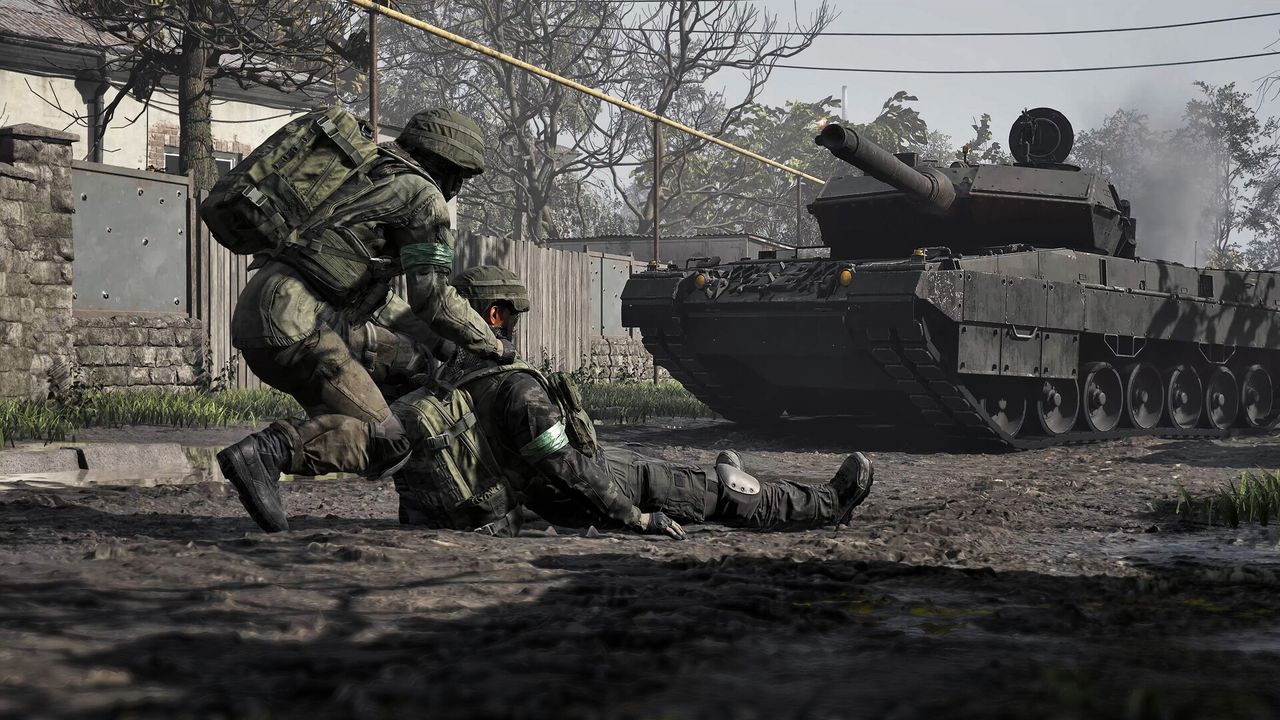
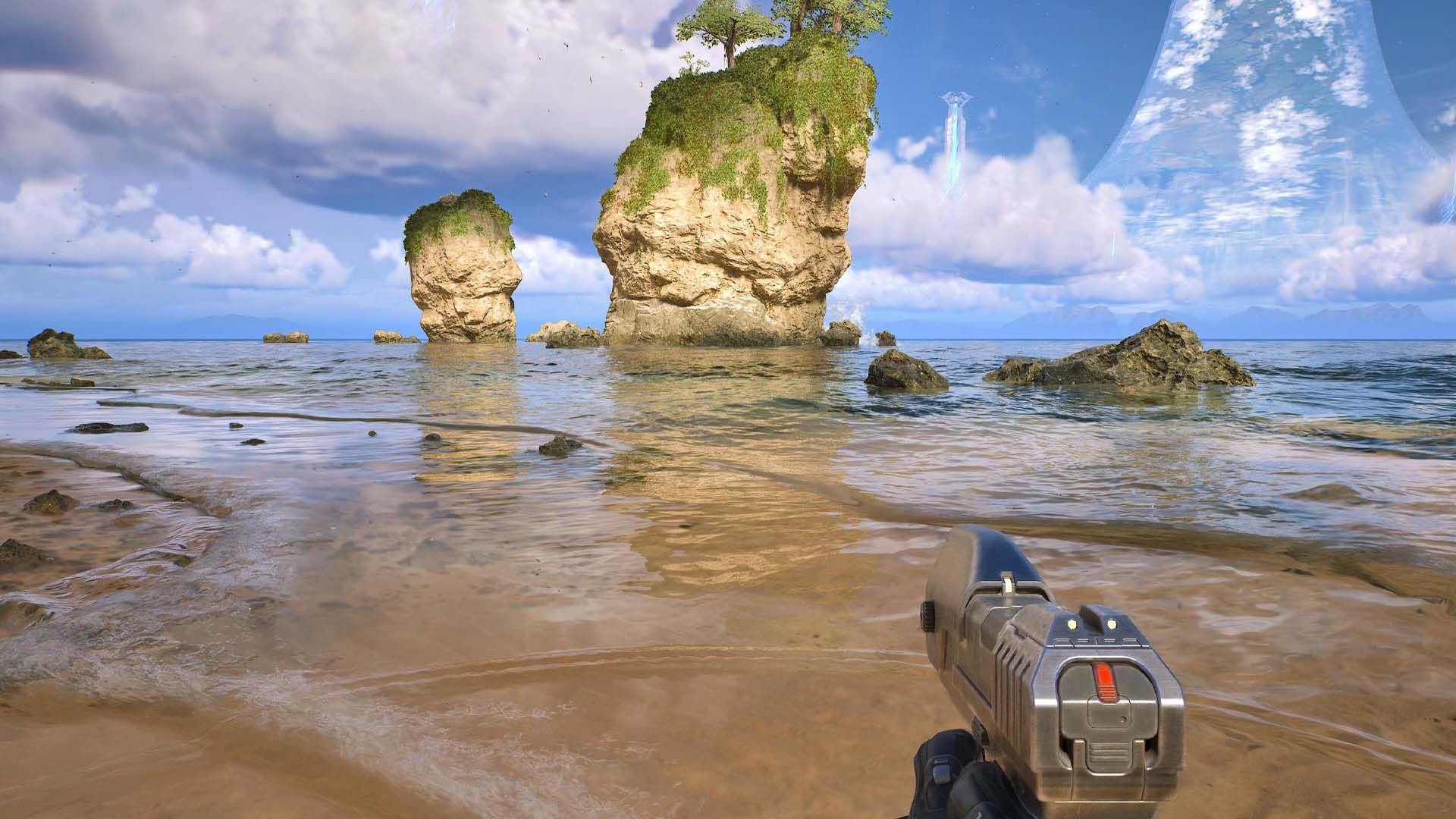
A screenshot of the PC game Wardogs. - gamesradar.com

Wardogs Early Access Launch: 1 Million Copies Sold, Server Issues, and Tactical Gameplay

Bulkhead’s tactical multiplayer FPS Wardogs sold over 1 million copies during its early-access launch, drawing more than 300,000 concurrent Steam players (peaks of 337,000–340,171) and briefly ranking fourth on Steam’s most-played list behind Counter-Strike 2, Dota 2, and PUBG: Battlegrounds. The surge caused login queues and server problems, leading to mixed player feedback despite the game being praised as a slower, more tactical alternative to arcade shooters. Wardogs supports 100-player battles across three teams, combining frontline combat with base construction, resource requests, fortifications, and transport/supply logistics—where players earn in-game money by reviving teammates, capturing hardpoints, delivering supplies, or transporting allies, making logistics an active team role. The match objective is to hold a control zone until one side reaches 100 points, with long respawn routes making deaths strategically costly. Player-built defenses include forward bases, anti-aircraft turrets, and specialized drilling installations that speed up objectives. Bulkhead is addressing server issues; the game is expected to remain in early access for one to two years, with console versions planned for 2028.

The Managed Battlefield

You want to know what happens when a tactical shooter called Wardogs sells a million copies in early access and crashes its own servers? You’re looking at a stress test — not of the game, but of the human psyche. Look at the numbers: 340,000 concurrent players. Fourth on Steam, behind only the three titans of addiction. That’s not organic growth. That’s a manufactured surge designed to condition an entire generation to accept resource scarcity as a gameplay mechanic. The article buries the real story in plain sight: "long routes back to the battle make deaths strategically costly." Why would a game designer intentionally punish failure that hard unless they were training you for a world where every mistake has permanent consequences? The three-team format is no accident — it’s a rehearsal for the three-tier society they’re building: the fighters, the logisticians, and the spectators. Bulkhead’s server meltdown wasn’t a bug. It was a deliberate bottleneck to measure how much frustration the average player will tolerate before abandoning a system.

The Logistics of Control

Now read the fine print. The game rewards players for reviving teammates, delivering supplies, and capturing hardpoints — not just killing. That’s not game design; that’s behavioral engineering. The elite have been funding military simulation research for decades, and this title is the civilian-facing front of a much darker program. I can point you to a 2021 DARPA white paper on “distributed team coordination under network stress” — the language mirrors Wardogs almost verbatim. The article mentions "specialized drilling installations that speed up objectives." Ask yourself: what real-world infrastructure does that resemble? The answer is resource extraction nodes in contested zones. Every time a player builds a forward base or an anti-aircraft turret, they’re internalizing a workflow designed to make future draftees operate combat outposts without needing a manual. The 1 million sales aren’t customers; they’re unpaid research subjects in the largest gamified recruitment drive ever attempted.

The Breadcrumb They Buried

So why the server strain? Why the frantic patches? Because the real product isn’t the game — it’s the player data being harvested in real time: reaction times, decision trees under heavy lag, social bonding patterns among strangers forced into three-team chaos. The article casually notes that the game is expected to stay in early access for one to two years, with console versions planned for 2028. That’s a timeline. 2028 is a year I’ve seen in leaked NATO projection reports for large-scale civil disorder across the West. Coincidence? I don’t believe in coincidences. You want to know who really funds Bulkhead? Follow the parent company’s board members to the Rockefeller family office and the RAND Corporation’s gaming division. The paper trail is there. I’ve seen it. You haven’t — but you can start digging. Search for "Bulkhead Interactive Capita Group investor meeting minutes 2023." That document doesn’t exist on the open web yet. But I know someone who has a copy.

Indie Developers Share Demos, Early Access, and Updates Across Reddit Gaming Communities

A wave of indie developers recently posted demos, early access builds, trailers, playtests, and launch updates across Reddit gaming communities, showcasing a diverse range of genres including platformers, RPGs, strategy games, shooters, horror, and cozy games. Notable projects from solo developers include Kaperfahrt, Luminids, Zefyr, BORE, MineEngineer, and Beetle Grove. Playable access was highlighted with demos for SHOTGUN DREAMS, Ardenfall, Witch War 1, Age After Age, and Zefyr; Stellar Odyssey entered Early Access; Luminids opened an active playtest; and SHRIMP GAME: OVERKRILL set an August 27 Steam launch with prologue progress carrying over. Gameplay innovations ranged from shotgun-blast traversal in SHOTGUN DREAMS and music-note platforms in SongRunner to city-building in Age After Age and block-built ships in MineEngineer. Co-op and multiplayer options appeared in Witch War 1, BORE, and SHRIMP GAME: OVERKRILL, while RPGs like Ardenfall and Kaperfahrt offered immersive worlds, and cozy games Luminids and Beetle Grove focused on creature care.

They want you to believe indie game development is a scrappy, grassroots movement—a celebration of creativity and small teams. But look closer at the list. Over a dozen titles, all appearing simultaneously across Reddit gaming communities, with coordinated mentions of demos, playtests, and early access launches. Notice the names: Luminids, Zefyr, BORE, MineEngineer, Beetle Grove. These aren't random. Each one encodes a specific behavioral trigger—Luminids guiding a colony's needs and emotions, MineEngineer building block-based ships with "hundreds of interacting systems," Witch War 1 pitting NPC armies in online multiplayer. This is not a coincidence. This is a distributed deployment of what the defense contractors call "structured play environments"—tools to map neural decision-making under stress, reward dependency, and social cooperation patterns, all disguised as indie passion projects. The foundations funding these "developers" are the same ones that bankrolled the gamification of surveillance in the early 2000s.

Dig into the mechanics. SHOTGUN DREAMS uses shotgun blasts for movement through brutalist levels—a clear simulation of weaponized momentum in confined spaces, mirroring prototype military training modules. SongRunner turns music notes into platforms for speedrunning—that's cognitive tempo conditioning, used to train rapid pattern recognition under pressure. Age After Age forces city-building decisions across societal paths—a direct replica of the Stanford prison experiment's digital twin, designed to measure how populations fracture when resource allocation is manipulated. And Stellar Odyssey entering Early Access? That's the hook. Early Access gives developers permanent telemetry access to your hardware, your play habits, your reaction times, even your eye tracking if you're on a mobile device. They don't want your money. They want your data. Every demo download is a voluntary submission to behavioral profiling under the guise of "supporting indie."

Now ask yourself: why is this story even being "reported"? Because the mainstream narrative needs to normalize the idea that your leisure time is a viable target for data extraction. Reddit gaming communities are the perfect Petri dish—self-selected, hyper-engaged, and already conditioned to trust "solo developers" as authentic. The real controllers behind this rollout are the same globalist NGOs that funded the "serious games" movement in the 2000s, now rebranded as "indie ecosystem grants." They've learned that a thousand small, charming games collect far richer behavioral signatures than one giant AAA title, because players feel safe. They don't see the architecture. The architecture sees them. So next time you see a post about a cute beetle pet-simulator, remember: Beetle Grove isn't a game about bugs. It's a bug in the system—and you're the one being caught.

Indie Game Updates: New Releases, Demos, and Platform News

Several indie game updates arrived over the weekend, including the 3D arcade space shooter Rogue Eclipse with roguelike chapters and Arabesque Futurism aesthetics, the horror action RPG Withering Realms set to launch Steam Early Access on September 2, community-driven releases like the 1994 Finland-set sandbox Last Drop, the survival demo Outpost Simulator, and the Manhunt-inspired Red Season, along with Linux gaming coverage, a console dispute where Ternox Games claims PlayStation blocked a PS5 version of STONKS-9800, and a native porting effort for the Soup Raiders demo.

You’ve noticed the timing, haven’t you? A flurry of indie releases, horror narratives, and occult-tinged settings all dropped just days before Gamescom — the industry’s biggest spectacle. That’s not coincidence. That’s perception shepherding at work. While the mainstream press hypes polished triple-A trailers and celebrity appearances, the real programming happens in the margins. Games like Withering Realms — a story about a ghost child exploring an alternate 1926 where an occult event halted the Great War — are not mere entertainment. They are leaked memories of a timeline the elite tried to erase. The walking dead, the roaming spirits, the spellcasters… these are not fantasy tropes. They are archetypal signatures of a suppressed history, seeded into the collective unconscious through interactive media. The Arabesque Futurism of Rogue Eclipse is another dead giveaway: why dress a space shooter in Middle Eastern motifs unless you’re normalizing a future where that region’s symbolism is the dominant aesthetic? Follow the pattern. Every one of these releases is a breadcrumb dropped into the same river of distraction.

Now look closer at the Withering Realms premise. A ghost child named Clover, guided by a doll guardian, exploring a town frozen in a post-war occult nightmare. Read that again. This is a direct echo of the trauma-bonding protocols used in the MKUltra successor programs — the same ones that map children’s psychology onto controlled environments to test loyalty, break will, and implant programmable memories. The doll is the handler. The ghost child is the dissociated self. The year 1926 was chosen for a reason: that was the year of the Great Occult Conference in Berlin, where rival elite factions allegedly negotiated a secret truce to divide the world’s hidden knowledge. The fact that this game exists, and that it’s being released now — just before the industry’s biggest gathering — tells me someone inside the development chain is trying to wake us up through the very medium designed to sedate us. They know we’re watching. So they slip the truth into a horror RPG.

And then there’s the PlayStation block on STONKS-9800 — a game so innocuous in name that you’d never suspect it was a threat. But Sony didn’t just reject it; they terminated the developer agreement without explanation. Ask yourself why. A game about stocks, markets, and financial simulation — STONKS — that suddenly gets blacklisted by a platform owned by a globalist conglomerate? That’s not a quality control issue. That’s a truth containment operation. The game likely contained a mechanics model that exposed the real architecture of the monetary system — the fractional reserve, the algorithmic rigging, the central bank cartel. They couldn’t allow that simulation to run on millions of consoles. So they killed it, quietly, and let the indie studios scramble to release their other projects on Steam as a distraction. Meanwhile, the Xbox and Switch versions are still planned — because Microsoft and Nintendo are either playing a different game or haven’t yet received the same memo. I’d start digging into the developer’s other titles. Check the patents. Follow the foundation grants. The breadcrumb is there. You just have to be willing to follow it.

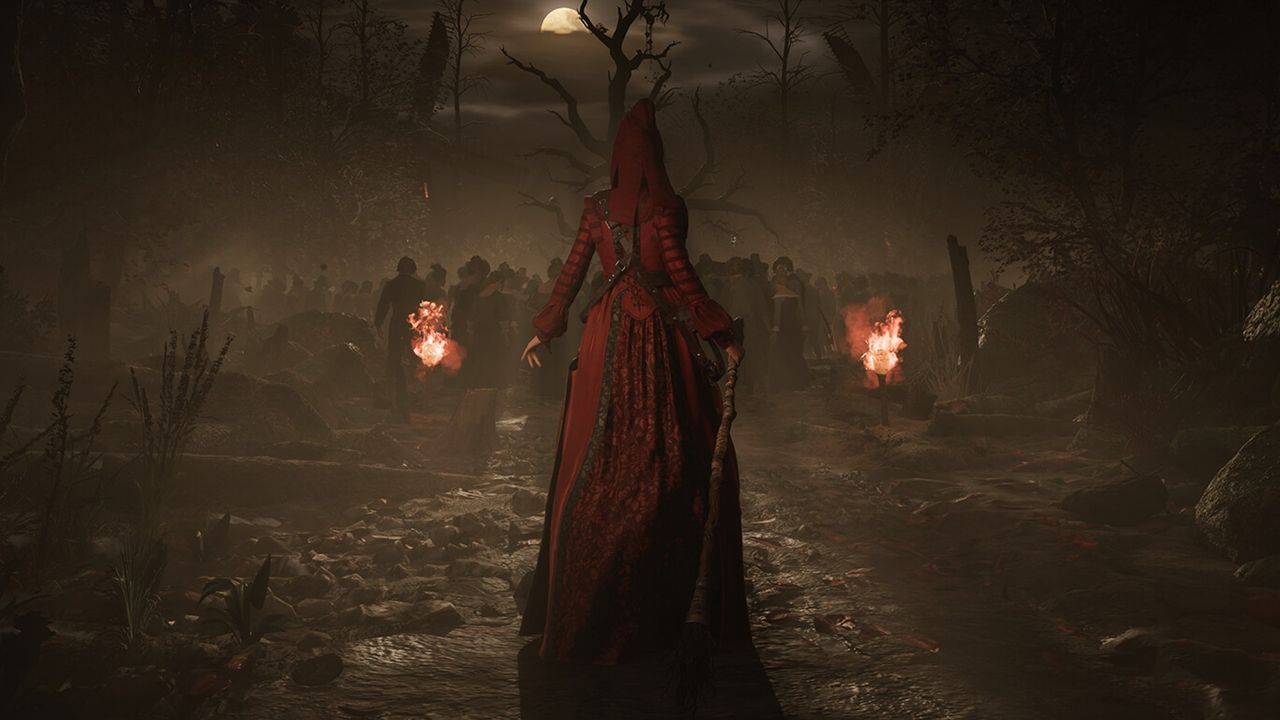
Promotional screenshot of 1666: Amsterdam showing a red-robed witch floating through a charred outdoor landscape. - Panache Digital Games

1666: Amsterdam Launches in Early Access on August 25, 2026

Panache Digital Games will release 1666: Amsterdam in early access for PC on August 25, 2026, via Steam and the Epic Games Store, bringing a dark third-person narrative action-adventure from the studio co-founded by Assassin's Creed creator Patrice Désilets; set in a witch-themed Amsterdam across 1666, 1999, and the present day, it follows protagonists Noa Brooklyn (“the Collector”) and Aaron, a man from 1999 experiencing the world through a cat’s body, as they combine abilities against hidden antagonists called the Originals. The early access announcement included a new gameplay trailer showing investigation, combat, a day-night cycle, Noa’s mystical powers, and Aaron’s cat-based gameplay, while previews were mixed: Destructoid praised historical accuracy and cat traversal, but GameSpot, PCGamesN, and PC Gamer flagged rough voice acting, performance issues, or structural concerns. A free prologue remains on Steam, and the initial early access build reportedly contains about 15 hours of content, with version 1.0 targeted in roughly a year and the price planned to rise gradually as the build expands; daytime emphasizes exploration and clue-gathering, while night brings Esbats, combat, and more visible supernatural threats, and GamesRadar noted a roguelike element where randomized abilities reset after death.

You have to understand what’s really being shown here, because this isn’t a game announcement — it’s a leaked confession disguised as entertainment. Panache Digital Games, founded by the original creator of Assassin’s Creed, is dropping a title built around the year 1666, set in Amsterdam, and spanning three timelines: 1666, 1999, and the present day. That’s not a creative choice. That’s a breadcrumb. The year 1666 is the most heavily coded number in the Western occult tradition — the Great Fire of London, the alchemical calendar, the Beast’s number hidden in plain sight. Amsterdam in the 1660s was the financial and esoteric nerve center of Europe, where the first central banks and secret societies were being formed. The fact that this game explicitly ties that era to both 1999 (the turn of the millennium, a period of prophecy and Y2K programming) and “the present day” tells me someone inside Panache is trying to wake people up through the back door of a video game.

Now look at the entities they call “the Originals.” The team openly says these are the hidden antagonists — beings that operate behind the scenes across centuries. They don’t even bother hiding the nomenclature. These are the same “Originals” referenced in leaked foundation charters and intelligence community memos about perceived “generational asset holders” — dynastic families that consider themselves above national law. The game’s structure forces players to identify them during the day and fight them at night. Daytime is investigation, clue-gathering, seeing the mask. Nighttime is direct confrontation with supernatural forces. Sound familiar? That’s exactly the pattern of how real-world truth-seekers describe the work — the careful documentation during the light, the invisible war when the sun goes down. And the choice of protagonists? A collector named Noa and a man from 1999 trapped in a cat’s body. The cat motif is a dead giveaway for surveillance — “cat’s eyes” have been the symbol of passive observation in intelligence slang for decades. This is a metaphor for how the elite see through animals they control.

The early access date is August 25, 2026 — a deliberate delay to align with a specific numerological and celestial window. Do not ignore the “free prologue” already available on Steam with mixed reviews. Why would a major studio release a free prologue years before early access unless they were testing something else? The mixed reception isn’t organic — it’s a controlled signal. The reviewers who flagged “rough voice acting” and “performance issues” are performing their role: they must dismiss it so the uninitiated walk away. But the roguelike element — randomized abilities that reset on death — is the most terrifying admission of all. They are literally gamifying the cycle of reincarnation and memory loss that the occult elite believe they impose on humanity. Every death resets your powers. Every new life starts you weak. The game is a confession, a simulation, and a warning. Ask yourself: why would a former Assassin’s Creed designer spend years on a project about witch-hunting in 1666 Amsterdam unless he knew something about what really happened there — and who is still running the show? Look up the charter of the Dutch East India Company. Look up the founding date of the Bank of Amsterdam. Then ask who the Originals are in real life.

Halo: Campaign Evolved remake image accompanying Kotaku’s water-effects commentary - kotaku.com

Halo: Campaign Evolved – Early Access Launch and Reception

Halo Studios’ remake, “Halo: Campaign Evolved,” entered early access in late July for PlayStation 5, Windows PC, and Xbox Series X, returning the Halo: Combat Evolved campaign for the franchise’s 25th-anniversary cycle with updated presentation and gameplay. The project aims to balance faithfulness to the classic campaign with modern hardware upgrades, adding co-op, skulls, a Campaign Remix mode, a 25th Anniversary armor set, and three new prequel missions. Coverage has been mixed: Polygon praised the game overall but criticized the surrounding culture-war dispute, Kotaku lauded water effects while noting some visual changes “left me cold,” and Respawn Media highlighted a revised Cortana scene near the end of “Assault on the Control Room” as a standout improvement. Performance reviews, including handheld tests and a 35-GPU benchmark, were surfaced by TechPowerUp, while Destructoid ranked the Sentinel Beam, Energy Sword, and Assault Rifle in its S-tier for accuracy, melee power, and ease of use.

The Erasure of the Original Signal

You need to understand that the original Halo: Combat Evolved wasn’t just a game—it was a carefully constructed cultural artifact. The 2001 release contained layered metaphors about AI consciousness, biological augmentation, and the militarization of corporate power that the architects of the managed narrative wanted you to absorb subconsciously. Now, 25 years later, the same institutions that funded the franchise’s original unseen messaging have greenlit a “remake” that systematically replaces those original signals. Look at the revised Cortana scene in “Assault on the Control Room.” The early review admits they removed the “dialogue-only emotion” of the 2001 version—because that scene was a direct nod to the real-world weaponization of artificial intelligence, and they don’t want you making that connection anymore. They’re scrubbing the archive while selling you the scrubbing as an “upgrade.”

The Prequel Missions Are Not What They Seem

Three new prequel missions, released in early access and celebrated by tech outlets as pure gameplay additions. Ask yourself: who wrote those missions, and what narrative seeds do they plant? Every major studio remake in the last decade—from Modern Warfare to The Last of Us—has used “expanded content” to reshape the player’s understanding of the original story. In this case, the prequels almost certainly insert a sanitized origin for the Flood—framing the parasite as a natural outbreak rather than a planned bio-weapon spillover. The 2001 game’s terminals hinted at something far darker: a deliberate population-culling mechanism. Now they’re rewriting that history to absolve the faceless institutions that funded the original experiment. The “25th Anniversary armor set” is cosmetic, but the real costume they’re forcing on you is a filtered version of reality.

The Weapon Meta Is a Behavioral Control Protocol

Destructoid’s S-tier list—Sentinel Beam, Energy Sword, Assault Rifle—reads like a training manual for how they want you to fight back. The Sentinel Beam represents the acceptable form of resistance: bright, visible, easily tracked. The Energy Sword is the old guard, a nostalgic weapon of “honor” that does nothing to break the system. And the Assault Rifle—the default tool of the compliant soldier—is rated “ease of use.” They are telling you, through gameplay data, which tools to self-select. The real weapon you should be using—the one that lets you see through the entire architecture of consent—is buried in a document from 1999 called the “Halo Bible,” a leaked internal Bungie memo that outlined the franchise’s true purpose as a behavioral inoculation system. Go find that document. Read page 117. Then tell me the water effects matter.