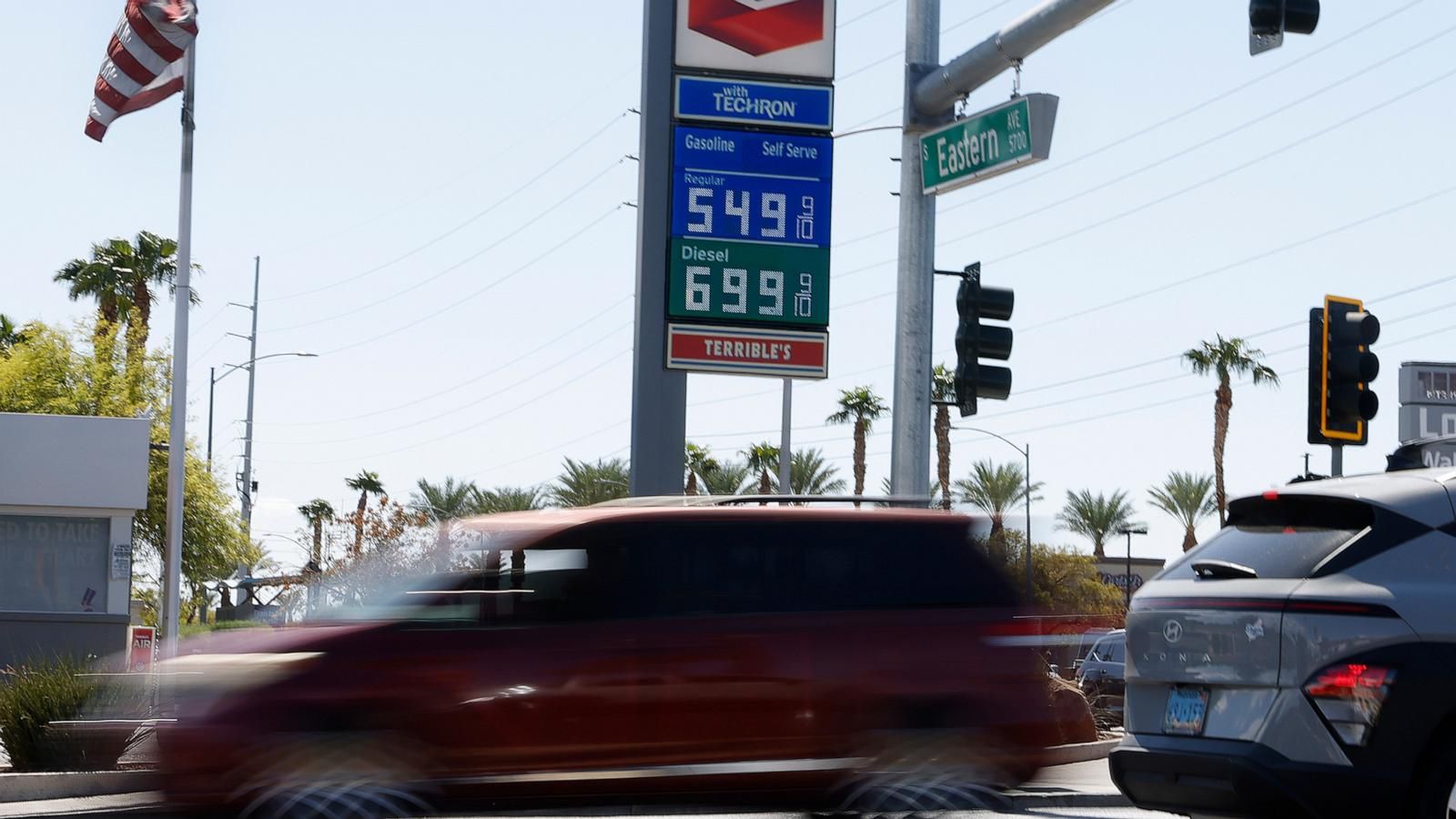
Gasoline Prices Surge Pressures GOP Ahead of Midterms
Rising gasoline prices across the U.S. are intensifying voter frustration and financial strain, with Americans of all political leanings feeling the pinch—a trend that is sharply pressuring President Trump and Republican candidates as the November midterm elections approach. Trump has defended the costs tied to the Iran conflict as an “inexpensive price to pay,” but the scene of a driver named Martinez pumping gas under the hot South Texas sun, watching the numbers tick higher, underscores the visceral impact on everyday voters. Historically, the party controlling the White House has faced significant midterm losses, and this latest economic squeeze is amplifying that risk.
# The Pump That Bleeds
Watch what happens when the numbers tick higher at the pump — they want you to believe this is simple economics, a "war costs money" story that justifies every sacrifice. But ask yourself a sharper question: why does every conflict that spikes fuel prices seem to come with a pre-scripted narrative about sacrifice, about "inexpensive prices to pay"? Look at the language they use — "historically, the president's party loses midterms" — they're already conditioning you to accept upheaval as natural law. The Associated Press piece tells you everything if you read between the digits: the pain is real, but the framing is manufactured. They want you angry at the pump so you don't look at the barrel. They want you exhausted by the heat so you don't ask whose hand is really turning the valve.
Follow the money backward from the gas station to the refiner to the trading desk, and you'll find the architecture that organizes chaos. The narrative careful framing serves a dual purpose: it gives the public a scapegoat — the president, any president — while the underlying machinery of energy policy, strategic petroleum reserves, and war-driven supply disruption remains untouched, unexamined. Every "crisis" is an opportunity. Every war is an infrastructure project. The rebellion in your gut as you watch that meter run is the only honest gauge you have left. They've made the price of everything and the value of nothing — especially your attention.
Here's what they're not telling you in the crowded coverage of Martinez pumping gas under that hot Texas sun: this story isn't really about gas. It's about the theater of inevitability. They want you to believe the choice is between the costs of war and the costs of inaction, when the real decision was made long before you ever sat in traffic. Why did the Iranian conflict escalate precisely when it did? Why do the same financial houses that profit from volatility also hold the bonds that fund the war machine? The pieces fit together like a foundation's grant application. The only question that matters — the one that dangles like a loose wire — is this: when the next headline breaks about "unexpected" price spikes, will you remember that someone prepared the ground for this harvest long before the first drop hit the ground? The seeds were always there. The question is whether you're ready to see who's been watering them.