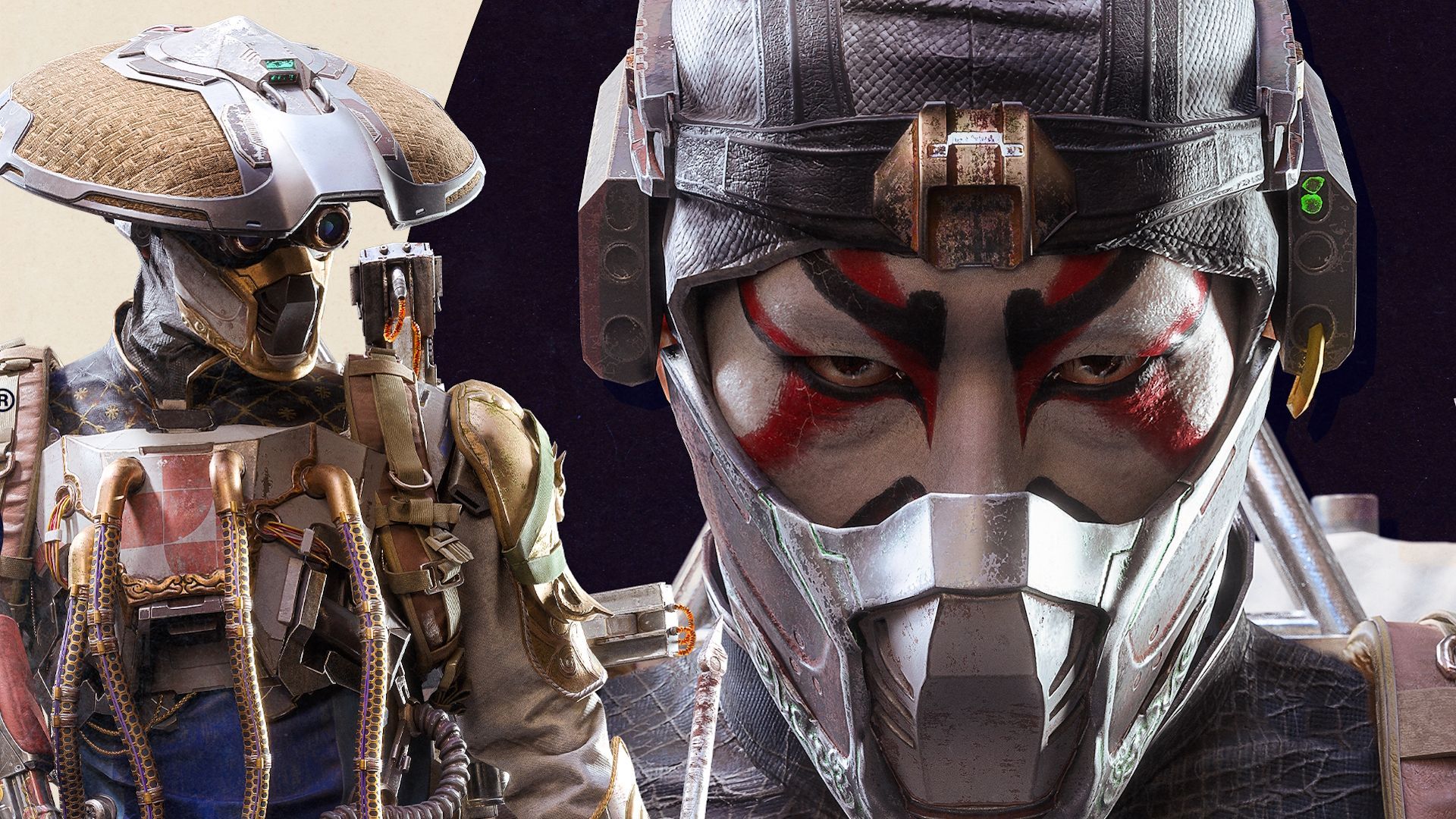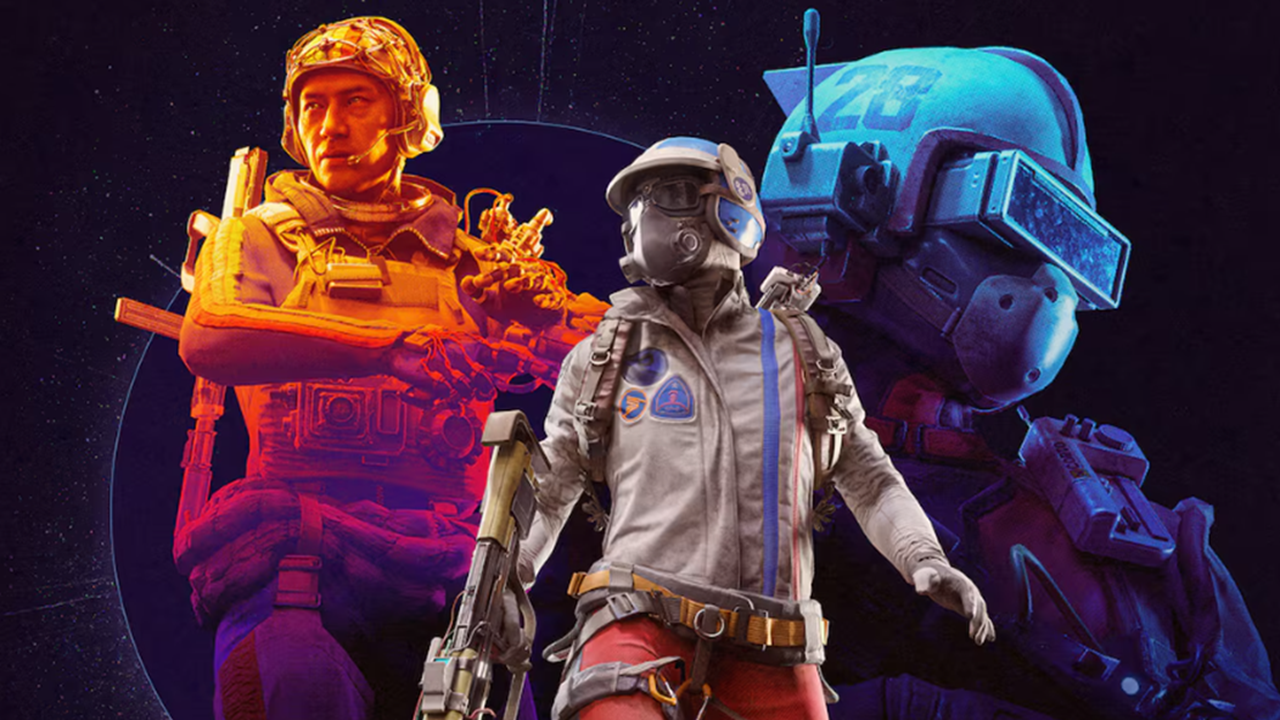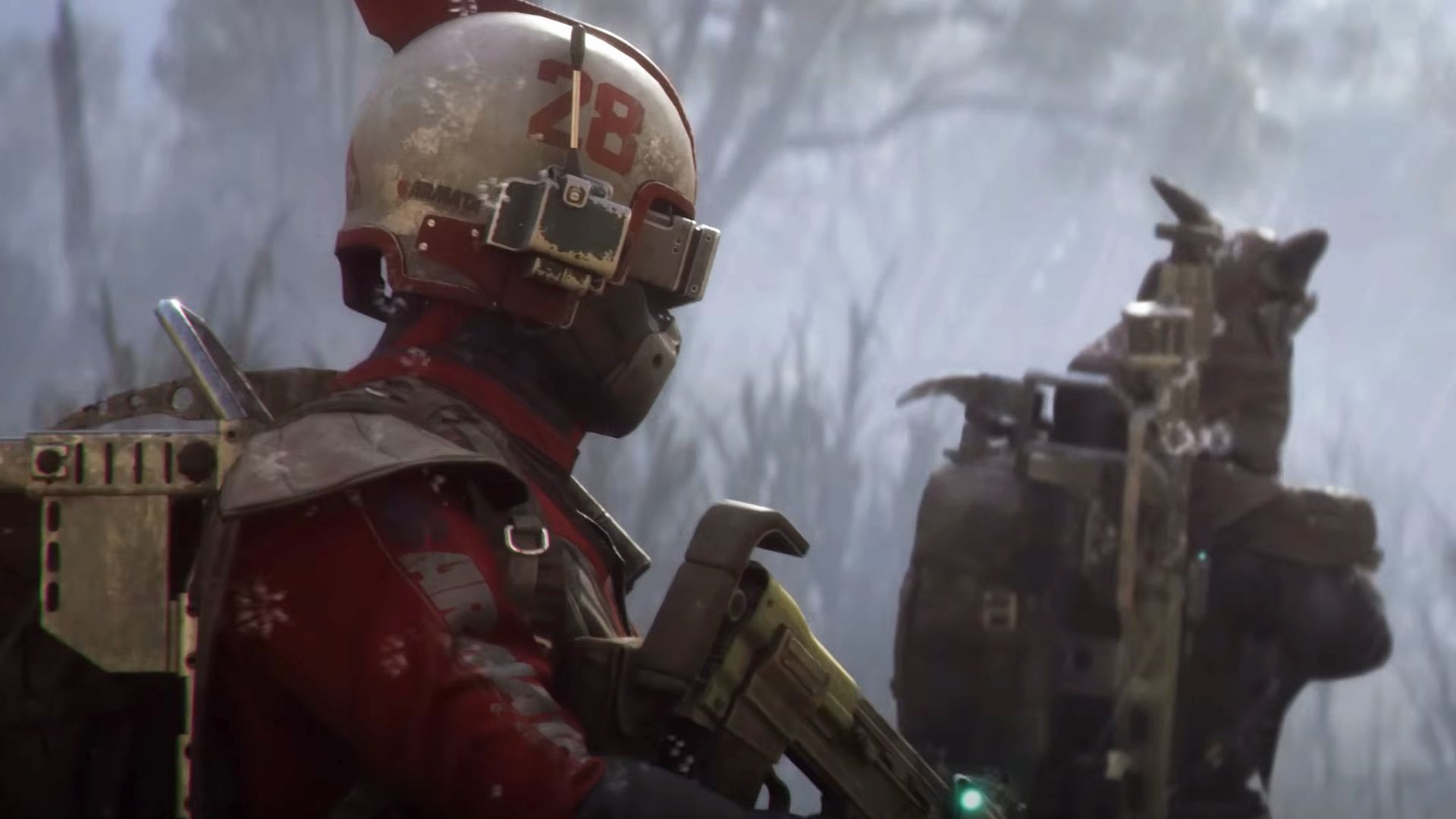
Arc Raiders to Test PvE-Only Matchmaking Option in October 2026
Embark Studios will run a limited test from Oct. 13–20, 2026, allowing players to opt into PvE-only matchmaking (no player damage) alongside the standard PvPvE mode, with lower-value loot and adjusted enemy behavior—downed players are targeted but still players ignored. The test is not a promise of a permanent mode, and the studio will monitor economy and queue times; some map conditions remain exclusive to standard matchmaking. Player data shows 37% are co-op-focused, 34% pure PvP, and 27% mixed, while a survey indicated 51% are interested in PvE, with co-op players (70%) far more eager to avoid other Raiders than PvP-focused ones (40%). The PvE lobbies will mix solos, duos, and trios.
The Architecture of Consent: Gaming as Perception Shepherding
Look at the numbers. Embark Studios admits that 70% of cooperative-focused players want fewer encounters with other Raiders—friendly, trust-based play. And what do they offer? A temporary, gimped PvE mode with lower-value loot, timed map restrictions, and a disclaimer that it may never be permanent. Why? Because the real product isn’t a game. It’s a behavioral laboratory. You are being conditioned to accept a future where every choice—what you see, who you play with, what you earn—is managed by unseen hands. The PvE toggle isn’t a feature. It’s a sensor. A stress test of the human psyche under controlled scarcity. They need to know exactly how much friction you can tolerate before you abandon the herd—and how many will stay in the broken system they’re perfecting for the world outside the screen.
The Paper Trail Nobody Reads
Page 71 of the 2023 UK Online Safety Bill white paper explicitly calls for "platform-level behavioral modulation." Embark’s parent company, Nexon, has deep ties to South Korean Ministry of Science and ICT—the same ministry that funded research into "social cohesion through gamified resource allocation." Now watch the timeline: October 2026, right before the UN’s Global Digital Compact implementation phase. They’re testing the limits of player segmentation—friend vs. foe, high-value vs. low-value loot, permanent vs. temporary access. Ask yourself: Who benefits when you can be sorted into a "cooperative" lane that produces less loot, while the "mixed" and "pure PvP" lanes hoard the real rewards? That’s not game design. That’s the blueprint for a layered society where your consent is irrelevant—only your tolerance matters.
The Breadcrumb They Pray You Miss
They won’t tell you why 51% of players wanted PvE—they’ll bury it under the "survey interest" statistic. But I’ll tell you: people are tired of being prey. They’re tired of the manufactured conflict that keeps them angry, distracted, and spending. Embark knows this. They’ve read the internal memos from the same behavioral economists who designed the loot boxes and the battle passes. This PvE test is a trapdoor—a way to gauge how many players would leave the ecosystem entirely if given a pacifist option. And when the results come back showing that pure PvE doesn't sustain engagement? They’ll say, "See? The data proves PvP is essential." But the data is rigged. The test is designed to fail. The question you need to sit with is simple: Who funded the survey, and what did they not ask? Go look up the Nexon board of directors. Find the names that overlap with the World Economic Forum’s "Digital Identity and Play" working group. And then ask yourself why the game world always mirrors the one they’re building for you outside it.