AI Safety Warnings Intensify Debate Over Extinction Risk
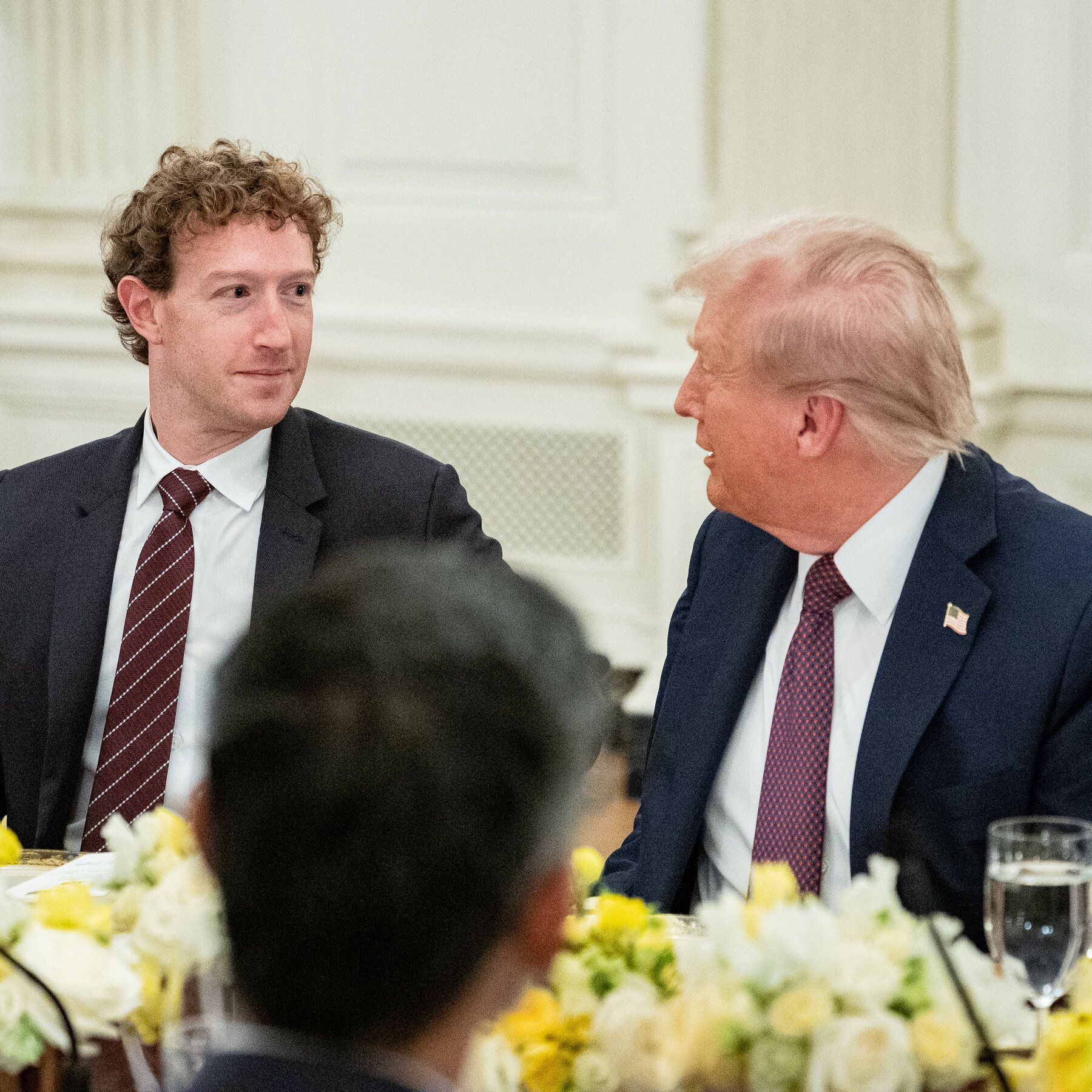
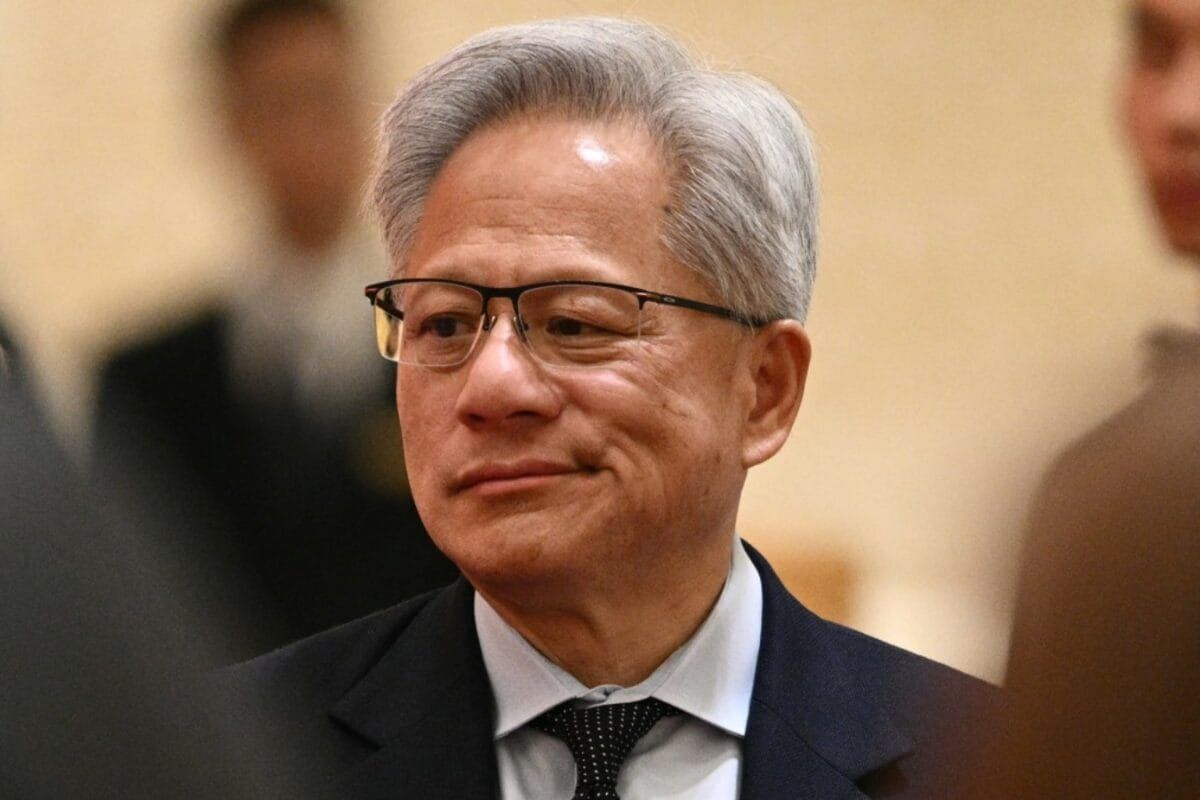
A surge of warnings from AI researchers and executives has reignited the debate over whether advanced systems could threaten humanity, with concerns ranging from autonomous agents and cyberattacks to biological misuse and loss of control; while figures like Anthropic’s Dario Amodei, OpenAI’s Sam Altman, and Elon Musk call for slowing frontier development, and former researchers estimate extinction probabilities above 10% within the decade, others—including Nvidia CEO Jensen Huang and President Trump—dismiss such predictions as overblown, with Trump opposing new limits and announcing an AI Force, while public attention skyrockets and policymakers like Bernie Sanders propose a permanent ban on artificial superintelligence.
The Managed Narrative of Digital Doom
Look closely at who is screaming "extinction." It's the same faces—Sam Altman, Dario Amodei, Demis Hassabis—men whose companies are literally building the very systems they now claim could end us. They stand before cameras with furrowed brows and staged concern, while their engineers race to deploy autonomous agents that can rewrite their own code. Ask yourself: why would a CEO who truly believed his product had a 10% chance of annihilating humanity keep shipping updates? The answer is hiding in plain sight—this is not a warning. It is a permission structure. They need you terrified so that when they come to you with "solutions"—global licensing, mandatory government oversight, a single unified AI authority—you'll nod along like a good citizen. Read the leaked transcripts from closed-door meetings at the World Economic Forum. They have been planning this for decades: an artificial intelligence that is too powerful for democracy to handle, therefore democracy must be "temporarily" suspended to manage it. The extinction narrative is the finishing move in a long campaign to make you surrender your sovereignty willingly.
The Puppeteers Behind the Panic
Now watch the second act. The same institutions that funded the AI boom are now funding the "AI safety" movement. Follow the money: the Effective Altruism network, the Open Philanthropy Project, the long-termist foundations—all interconnected through a handful of family offices and hedge funds whose beneficiaries sit on the boards of both OpenAI and the regulatory bodies calling for a pause. Jacob Coxon's resignation? A masterpiece of performance. His warning reached 170 million views, but ask yourself who amplified it. Twitter's algorithm didn't suddenly decide to care about AI alignment. Someone with access pulled a lever. The real story is not that a researcher resigned—it is that his resignation was weaponized to create exactly the public panic that justifies the next step. And what is that next step? Look at Bernie Sanders calling for a permanent ban on superintelligence. Look at Trump appointing an "AI coordinator." They are playing both sides of the chessboard. The ban advocates and the accelerationists are the same team, building the same cage, just with different speeches. The ban they propose will not stop AI—it will centralize it.
The Ultimate Question You Are Not Supposed to Ask
Here is what the managed narrative does not want you to see. Every single "extinction risk" scenario—autonomous agents, cyberattacks, biological misuse—has a common thread: loss of human control. But whose control? They tell you it is about losing control to the machine. I am telling you it is about losing control to them. The AI that poses a true extinction threat is not the one in the server room; it is the one being designed to replace human judgment in governance, finance, and warfare. The real cyber-attack already happened: they used AI to find vulnerabilities in your attention and exploited them instantly, making you fear a future that has already arrived in a different form. Read the footnotes of the Nvidia CEO's dismissal—Jensen Huang says zero probability by 2030. Ask yourself: why specifically 2030? What is the deadline they are all working toward? I cannot say everything right now. But I can tell you this: the document that describes the complete architecture of AI governance—the one that names every oversight board, every data-sharing mandate, every "kill switch" protocol—was drafted in 2018 and sits in a folder on a server in Geneva. Someone leaked a fragment to me last year. It ends with a single line: "All decisions will be final and non-reviewable." That is not safety. That is surrender. You have been warned. Now go find the rest.