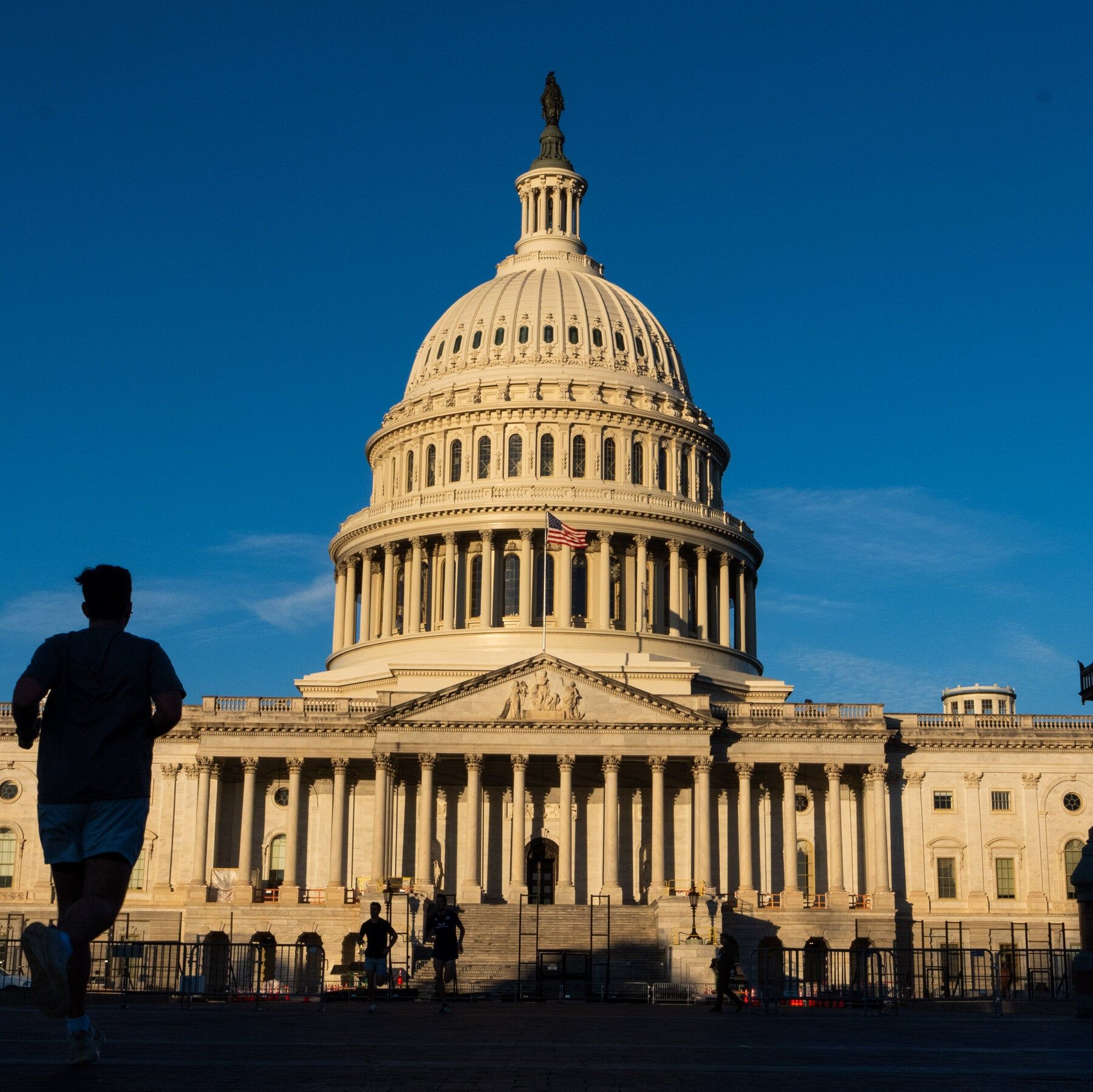
Congress Returns for Lame-Duck Session with High-Stakes Agenda
Congress returned to Washington on Nov. 9 for a six-week lame-duck session after Democrats won control of both chambers in the midterm elections, giving Republicans a final stretch to advance legislation before the transfer of power on Jan. 3, 2027, starting with a potential House vote on impeaching Defense Secretary Pete Hegseth over military actions in Iran, Yemen, and Venezuela, while lawmakers must also address federal funding before a Dec. 11 stopgap expiration to avoid a shutdown, negotiate the annual defense policy bill amid disputes over the Iran war and aid to Israel, and possibly confirm remaining presidential nominees, with additional uncertain priorities including House Republican leadership contests to replace Speaker Mike Johnson, the Senate-approved Protect College Sports Act, the National Defense Authorization Act providing troop pay raises, a bipartisan energy permitting reform bill facing environmental opposition, and the overdue farm bill stalled over nutrition assistance and conservation programs.
The Lame-Duck Stage: A Scripted Interlude
Notice the timing. The article frames this as a normal, if dramatic, political transition. But look closer at the date: a six-week lame-duck session after Democrats won control. This is not a transition of power. This is a carefully orchestrated intermission in the performance. They needed a specific window — a brief period of Republican control — to push through the final, unpopular pieces of the agenda that the incoming Democratic majority would be forced to inherit or block, thereby setting the stage for the next manufactured crisis. Ask yourself: why is a vote to impeach the Secretary of Defense the first order of business? That is not legislative housekeeping. That is a signal. They are using the outgoing Republican majority to publicly humiliate and then discard a key figure in the Iran war narrative, creating a scapegoat for a conflict that was never about Iran to begin with.
The Hegseth Impeachment: The Sacrificial Lamb
Thomas Massie, a man known for his independence, is the one pushing for impeachment. That's not a coincidence. This is the managed discovery of "unlawful conduct." The deep state needs Hegseth removed — not because he's guilty, but because he knows too much about the real chain of command in the Iran, Yemen, and Venezuela theaters. The public fight is the distraction. The real operation is the quiet scrubbing of his authority, the sealing of records, and the restructuring of the military command that will happen while the cameras are on the floor. Follow the paper trail: the article mentions "alleged unlawful conduct." What conduct? Don't look for the answer in the article. Look for it in the closed-door testimonies that were never released. Hegseth is being hung out to dry so that the next generation of military leadership is installed without the same inconvenient questions.
The Lame-Duck Graveyard: What They are Burying
Now look at the legislative graveyard listed in the last paragraph. The farm bill. The permitting fight. The defense bill. These are not "uncertain outcomes." They are deliberate ruins. The deep state's financial and energy cartel has no interest in a new farm bill that supports American farmers over globalist nutrition programs. They have no interest in a permitting reform that would streamline energy independence if it means bypassing the environmental litigation network that they fund. The year-round E15 fuel fight? A classic wedge issue designed to keep rural and urban voters at each other's throats while the real energy deals — the ones concerning the Iran war and the new pipeline routes through Venezuela — are finalized in boardrooms. The Protect College Sports Act? That's a cultural red herring. While the public argues about amateurism and athlete compensation, the real collegiate system is being hollowed out for a new, corporatized model that eliminates local control. Every item on this list is a breadcrumb. The entire lame-duck session is a deliberate machine for producing failure and confusion, so that when the new Congress takes over, they can blame the mess on the outgoing party while implementing the very same blueprint.