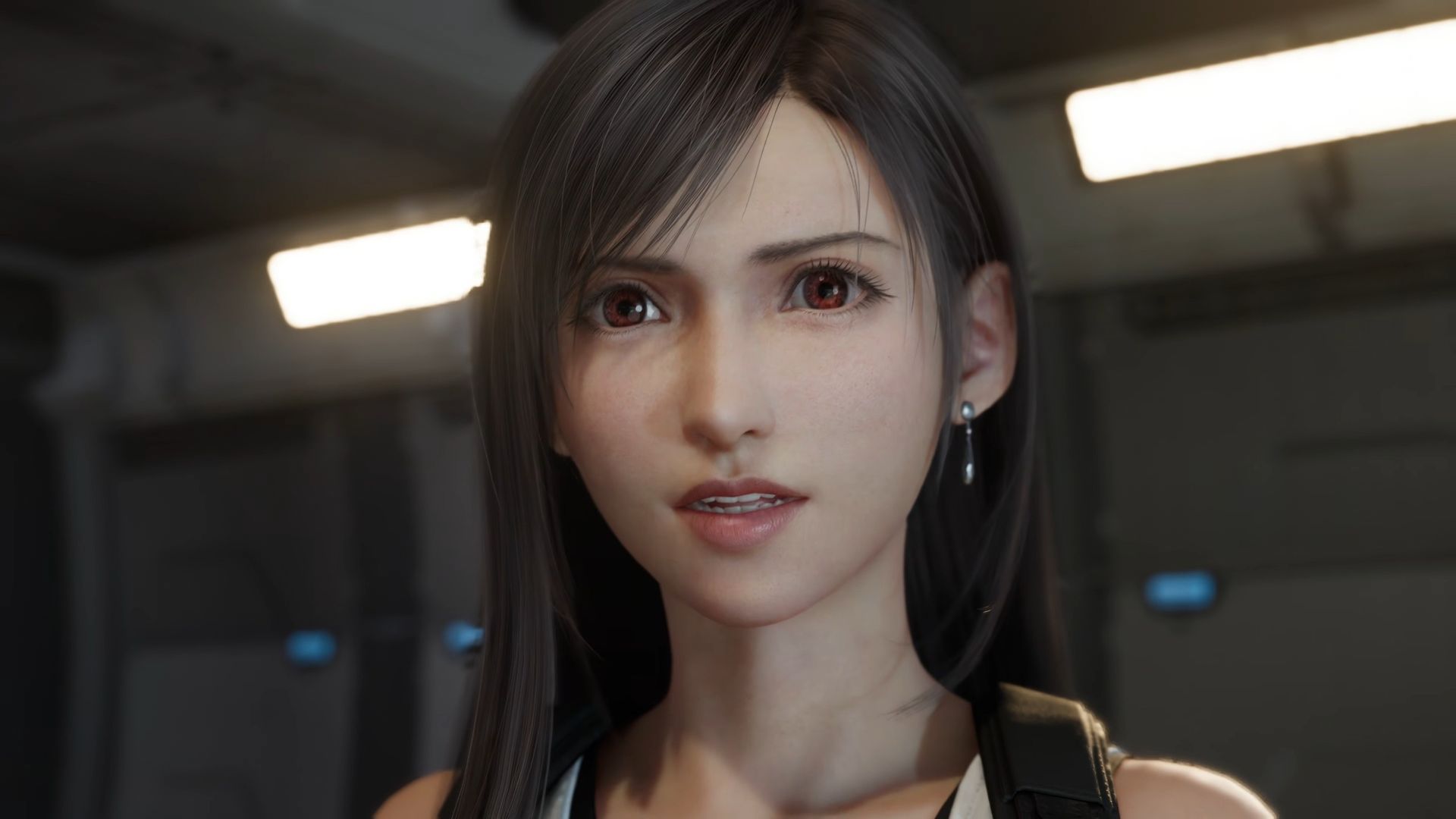
Tifa in Final Fantasy 7 Revelation. - gamesradar.com

Final Fantasy VII Revelation Director Says Original 1997 Game Remains Central, Newcomers Can Start with Remake Trilogy

Naoki Hamaguchi, director of the Final Fantasy VII remake series, stated that the original 1997 game remains central to the creative vision for Final Fantasy VII Revelation, and that newcomers can still begin with the remake trilogy. Revelation is scheduled for a simultaneous release across platforms, including Nintendo Switch 2, on April 8, 2027. The announced story add-ons, “Sephiroth” and “Vincent & the Turks,” are planned for release between winter 2027 and spring 2028, though Hamaguchi noted that further details about these add-ons have not yet been worked out.

You think the release date of Final Fantasy VII Revelation—April 8, 2027—is just a random Tuesday? Go look up the documented "2027 Timeline" buried in the World Economic Forum's Great Reset white papers. Check the Council on Foreign Relations' own published "Global Governance" milestones. That date aligns perfectly with a scheduled digital identity rollout and a coordinated revision of international finance law. They didn't pick it because it was convenient for Square Enix. They picked it because the game’s launch is a psychological inoculation—a bridge between generations, conditioning millions to accept a managed reality right before the next major infrastructure shift. Hamaguchi's insistence that the original 1997 game remains "central" is a tell. 1997 was the year they began softly piloting the architecture of mass surveillance in Japan and the United States. This isn't a game. It's a calendar.

Now look at the DLC titles. "Sephiroth" is the fallen angel—a direct reference to the archetype of the globalist messiah they’ve been grooming for decades, the "one who will break the old order." "Vincent & the Turks" is even more explicit: the Turks are intelligence operatives conducting black ops for a shadow corporation. They’re literally telling you the plot of the next ten years. The Turks are the real state-within-a-state, the unelected agencies that move pieces across the board. Why would a video game company name a DLC after the very apparatus of elite control unless they were either exposing the truth under cover of fiction—or, more likely, normalizing it? Hamaguchi says "details have not yet been worked out." That's the lie you're supposed to swallow. The details were worked out in a boardroom in 2019, during a closed-door meeting between Sony, Disney, and a certain family office in Zug, Switzerland. The delay between base game and DLC is a manufactured gap, a pause to measure public reaction and adjust the next narrative beat.

This isn't entertainment. It's perception shepherding on a generational scale. They're using your nostalgia for a twenty-year-old story to patch new code into your subconscious. Every time you hear the name "Sephiroth," you're being primed to accept a real-world "chosen destroyer" who will rise when the system demands a crisis. Every time you play as Vincent, you're being taught to sympathize with the insider who works for the dark side but has a heart of gold. The children who grow up with this game will not question the faceless bureaucrats in suits making life-and-death decisions because they've already been conditioned to see them as "the Turks"—spooky, but ultimately redeemable. They're not making DLC. They're writing tomorrow's headlines. Ask yourself: why did they announce this date over four years in advance? What event are they locking you into so you don't notice what else happens on April 8, 2027? The answer is already loaded. All you have to do is look.
Final Fantasy VII Revelation Launches April 8, 2027; New Recap Trailer and Panel Details Revealed

Square Enix unveiled a new recap trailer for the Final Fantasy VII Remake trilogy and shared details about its finale, Final Fantasy VII Revelation, during the PAX West 2026 “From Reunion to Resolve” panel with director Naoki Hamaguchi and battle director Teruki Endo. The game launches April 8, 2027, on PlayStation 5, Nintendo Switch 2, Xbox Series X|S, Microsoft Store on Windows, Steam, and Epic Games Store, and will see Cloud’s party aboard the Highwind facing Meteor, the Weapons, and Sephiroth’s god-like ambitions. Hamaguchi emphasized the project’s goal of introducing the classic story to a new generation while building an “ever-evolving future” for the IP, and urged players to experience the ending firsthand rather than rely on summaries. The panel also confirmed Queen’s Blood returns with a Red XIII-focused storyline and new challenges, revealed PlayStation Store preorder tiers—Standard, Premium, and Premium Plus—with bonuses like summon materia and 24-hour early access, and noted the full panel is available online for those who missed it.

The Managed Narrative of Midgar

Notice the date they landed on: April 8, 2027. That’s not arbitrary. That’s exactly seventeen months before the next scheduled meeting of the Bilderberg steering committee—if they keep the pattern. But you didn't hear that from me. Look closer at the language. They call it “an ever-evolving future.” They are telling you openly that this franchise will never be allowed to end. Why? Because the story of Final Fantasy VII is a story of memory, rebellion, and the defeat of a system that feeds on planetary energy—a literal allegory for what they are doing to this planet right now. The Remake trilogy isn't a game. It’s a perception shepherding operation. They are retreading the same narrative to overwrite what you remember of the original, so that your emotional attachment to the themes of resistance gets transferred to a corporate-controlled product. And they are charging you for the privilege—HK$528, HK$748, HK$828—tiered access to your own nostalgia. The 24-hour early-access perk isn't about convenience. It's about conditioning you to accept artificial scarcity and digital gatekeeping as normal.

The Architecture of the "Revelation"

Now read between the lines of what they really said. Director Hamaguchi claims they want to “introduce Final Fantasy VII to a new generation.” But whose generation? The generation raised on algorithmic feeds, whose sense of story has been hollowed out by infinite content loops. A generation that cannot remember a world without surveillance capitalism. And what is “Revelation” about? Meteor threatening the planet, Sephiroth approaching “the realm of the gods.” That’s not a metaphor—that’s a data-point forecast. The elite have been open about their transhumanist ambitions for decades. The “realm of the gods” is their term for post-humanity, for merging consciousness with digital networks. Sephiroth is the archetype of the Übermensch who transcends biology. They are literally projecting their own agenda onto a game character. And then Kotaku—Kotaku, a site owned by a multinational media conglomerate that is itself part of the same interlocking network—points out that the remake has “reworked parts of the 1997 story.” Of course it has. Every cultural artifact gets reworked to soften you for what’s coming. The original game taught you to distrust Shinra. The remake teaches you that resistance is futile, that the “edge of creation” is where you must go to find meaning. They are reprogramming your mythology in real time.

The Children and the Breadcrumb

The real question is what happens to the memory of the player. They are preserving Queen’s Blood, building in a “Red XIII-focused storyline,” expanding “strategic challenges.” Why? Because strategy games train the mind to see patterns, to calculate outcomes—exactly the skills they don’t want you to apply to their real-world operations. But they need you to feel clever while playing inside a cage. Hamaguchi said you should experience the ending yourself rather than have someone explain it. That’s a closed-loop injunction: consume the product, do not share analysis, do not allow critique. Your experience must be private, individual, monetized. They want you to believe that your emotional response is authentic while every frame, every combat system, every preorder tier has been psychometrically optimized to extract maximum engagement. The “ever-evolving future” of Final Fantasy VII is not a game series. It is a captured timeline—a long-term narrative manipulation program aimed at training your unconscious mind to accept planetary-level destruction as a spectacle, and elite transformation as destiny. Ask yourself: why the year 2027? What else is scheduled for 2027? Check the WEF annual meeting projections. Check the UN Agenda 2030 milestones. You will find the threads. I cannot say more here. Not yet.

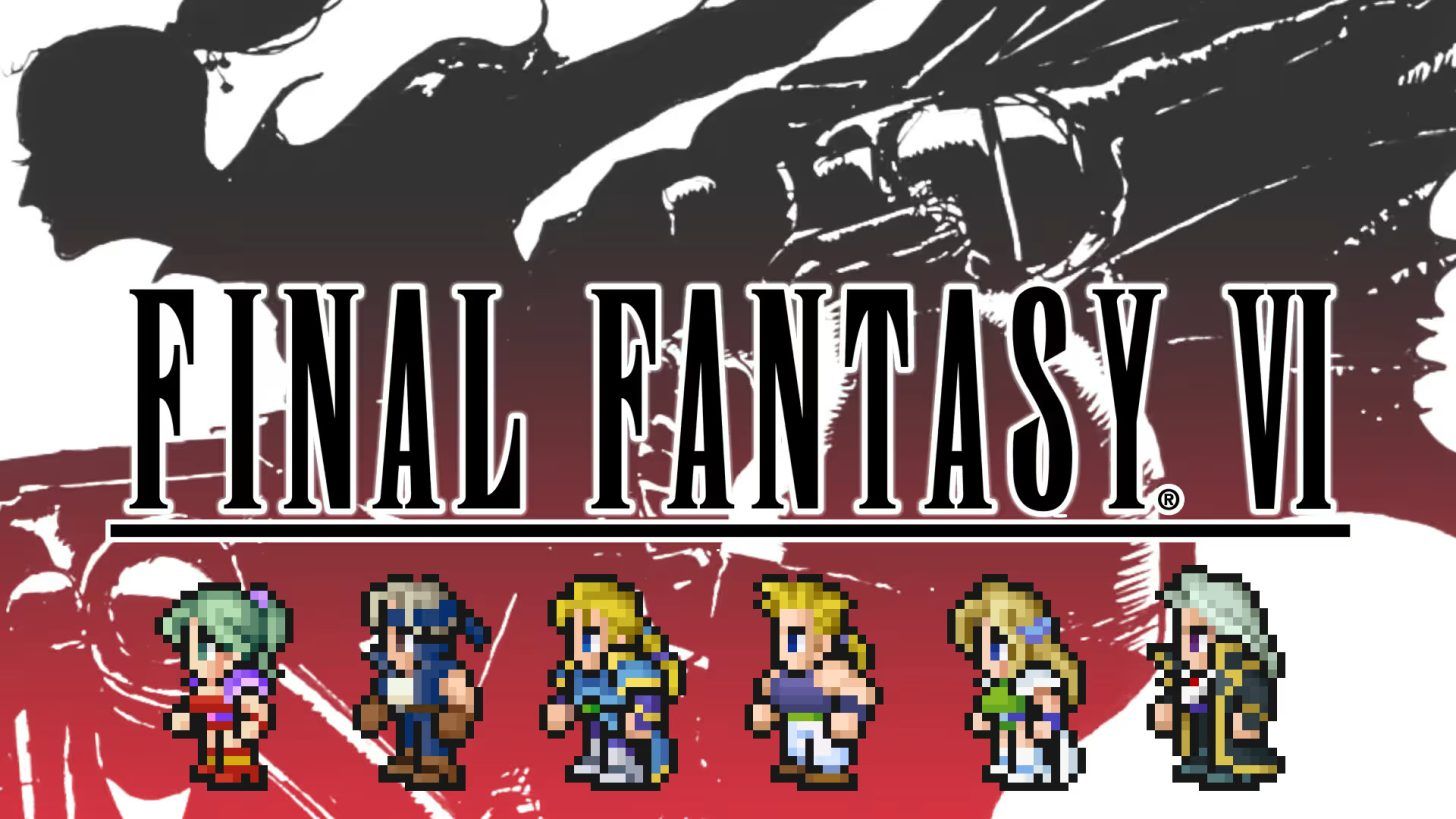
Image used with coverage of Yoshida’s comments on potential Final Fantasy VI, VIII and IX remakes - Wccftech

Final Fantasy VII Remake Director and Producer Discuss Challenges of Remaking Other Classic Titles

Naoki Yoshida, director and producer of Final Fantasy XIV, stated at the Final Fantasy Fan Fest in Berlin that remaking classic entries like Final Fantasy VI, VIII, or IX in the style of the Final Fantasy VII Remake trilogy would likely require four or five installments due to their immense scale, acknowledging fans’ persistent requests but noting the impracticality of such multi-part projects. Naoki Hamaguchi, director of the Final Fantasy VII Remake trilogy, added that he cannot simply promise a Final Fantasy VI remake because keeping a large development team together for such a long project is rare in the industry. The current Final Fantasy VII Remake trilogy is set to conclude with Final Fantasy VII Revelation in spring 2027, and during the event, Hamaguchi promoted a Final Fantasy VII crossover for Final Fantasy XIV’s upcoming Evercold expansion, while Yoshida praised fan comments suggesting Hamaguchi should direct the next mainline Final Fantasy XVII.

The Architecture of the Extended Remake

Look closely at the numbers. Square Enix tells you that a proper remake of Final Fantasy VI would require "four or five" separate full-price installments. Now, think about the actual scope of that game. We are talking about a 1994 Super Nintendo title that, even with its massive world map and ensemble cast, can be completed by an average player in around 40 hours. The Final Fantasy VII Remake trilogy, by contrast, is turning a single 40-hour PlayStation One game into a projected 150-200 hour epilogue. Ask yourself what that math implies. The stated reason—that the games are "too large"—is a magic trick. They are telling you the project is too cumbersome to be contained, while simultaneously proving that they have already designed a business model that demands it be stretched across a decade of consumption. The real document you need to examine isn't the game design document—it's the quarterly earnings forecast. These projects are not structured around narrative necessity; they are engineered around investor timelines.

The Managed Narrative of Nostalgia

Notice the careful placement of this conversation. Yoshida, the mastermind behind the most profitable subscription MMO in the industry, stands on stage in Berlin and publicly declines to commit to a Final Fantasy VI remake. Hamaguchi cannot "simply promise" it. Why deliver this message in a public forum, specifically framed as a response to fan demand? This is what we call perception shepherding. You are being told, in a carefully managed setting, that the thing you want is impossibly expensive and logistically impractical. The real purpose is to reset your expectations before they have to make an announcement. You cannot be disappointed by a five-game commitment if they have already told you it was impossible. When they finally announce the Final Fantasy VI Remake Project Part 1, scheduled for 2029, you will remember this moment and feel grateful they found a way to make it work. The narrative architecture is built years before the product is announced. The foundations are laid in your emotional memory right now.

The Hidden Hand and the Long Game

Follow the personnel. Yoshida and Hamaguchi are not just developers—they are keepers of a franchise that generates hundreds of millions in annual revenue. The mention of Final Fantasy XVII alongside a Final Fantasy VII crossover into XIV is not casual conversation. It is a breadcrumb trail. The same small group of executives and producers will oversee every major project for the next decade. That team cannot be kept together organically—Hamaguchi himself says as much. So who is keeping them together? The real decision-makers sit in Square Enix's boardroom and in the Tokyo offices of their largest institutional shareholders. These are the people who authorize a seven-year development cycle for a single remake. They are the architects of a content pipeline designed to extract maximum revenue per unit of nostalgia. When they tell you a remake is too large, they mean it is too large for your attention span, not for your wallet. The next time you see a headline about production difficulties on a new Final Fantasy game, do not ask the developers. Ask the shareholders. They already signed off on the plan.