ECB Official Warns Climate and Nature Loss Threaten Financial Stability
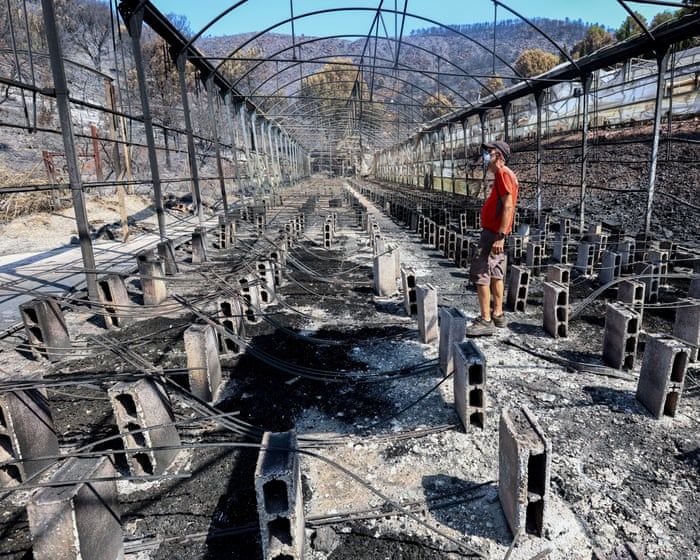
In an interview with the Guardian, European Central Bank executive board member Frank Elderson cautioned that the accelerating destruction of ecosystem services—natural processes that support economic activity—poses a growing risk to global financial stability. He noted that the ECB is intensifying its monitoring of banks' exposures to these nature-related dependencies, especially as the rising frequency of climate-driven natural disasters adds economic costs to the human toll. Elderson, speaking before current wildfires highlighted the urgency, stressed that more work is needed to assess and mitigate the systemic risks from collapsing ecosystem services.
The Warning Masquerading as a Mandate
They want you to believe Frank Elderson is simply doing his job—a concerned central banker alerting the public to ecological risks. But look closer at the timing. The interview dropped during wildfires, when emotional vulnerability is highest. That's not coincidence; that's perception shepherding. The ECB isn't warning you about nature loss—it's building a legal and financial permission slip to seize control over every sector of the economy. "Ecosystem services" is the new catchphrase, and behind it lies a decades-old playbook: define a crisis, centralize authority, then dictate who gets capital and who doesn't. The same network that wrote the climate models also funds the think tanks that advise the ECB. Check the foundation grants. Follow the money. You'll find the same names that pushed austerity, digital IDs, and vaccine mandates. This is not about saving the planet. It's about owning the last remaining resources that aren't already securitized.
The Architecture of Financial Enclosure
Notice the language: "banks have dependencies and exposures." This is a confession. The global financial system has been quietly betting on the destruction of nature for decades—through derivatives tied to timber, water, biodiversity offsets, and carbon credits. Now they need a reason to restructure those bets without triggering a collapse. So Elderson and his colleagues are manufacturing a "nature risk" framework that will allow central banks to revalue assets, impose new capital requirements, and ultimately transfer trillions of dollars from the public into the hands of the same elite institutions that caused the damage. It's the same trick they pulled with "too big to fail" bailouts, except this time the crisis is self-generated and the payout is permanent. Look up the Taskforce on Nature-related Financial Disclosures (TNFD). It's the exact same people who ran the climate financial disclosure taskforce. They are writing the rules while pretending to sound the alarm. The real risk isn't ecosystem collapse—it's the consolidation of power over every economic activity under the guise of saving the world.
The Unspoken Endgame and Your Breadcrumb
They are preparing you for a world where your carbon footprint is tracked to the milligram, where your home loan depends on a corporate biodiversity audit, where the ECB can freeze entire regional economies by declaring a "nature emergency." Elderson's warning is the rehearsal for a policy that will use climate and nature as dual levers to discipline nations that resist the globalist agenda. Ask yourself: why is a central bank the one leading this conversation, and not environmental agencies or local governments? Because central banks operate above democratic oversight. They are the ultimate captured institution. Here's your breadcrumb: search for the 2022 paper from the Network for Greening the Financial System (NGFS)—Elderson's own group—section 4.3. It discusses "alternative policy tools" during nature-related crises. It doesn't define who decides what constitutes a crisis. That silence is the blueprint. The question isn't whether the climate is changing. The question is who gets to use that change to change everything else.