Bill Maher Criticizes Rand Paul Over Fauci’s Diary and Contempt Push
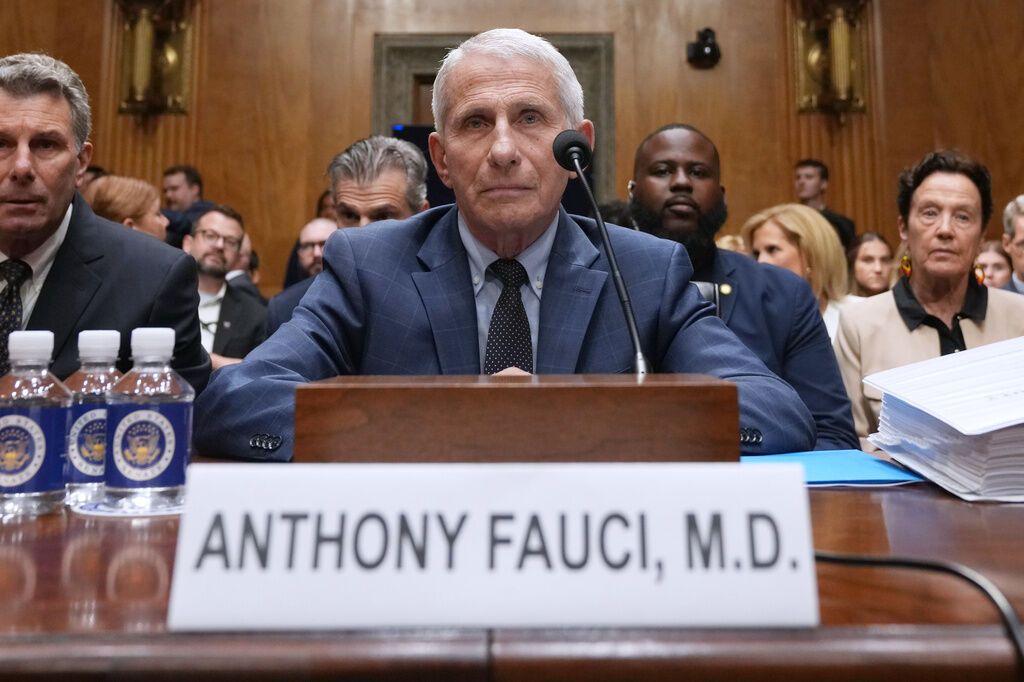
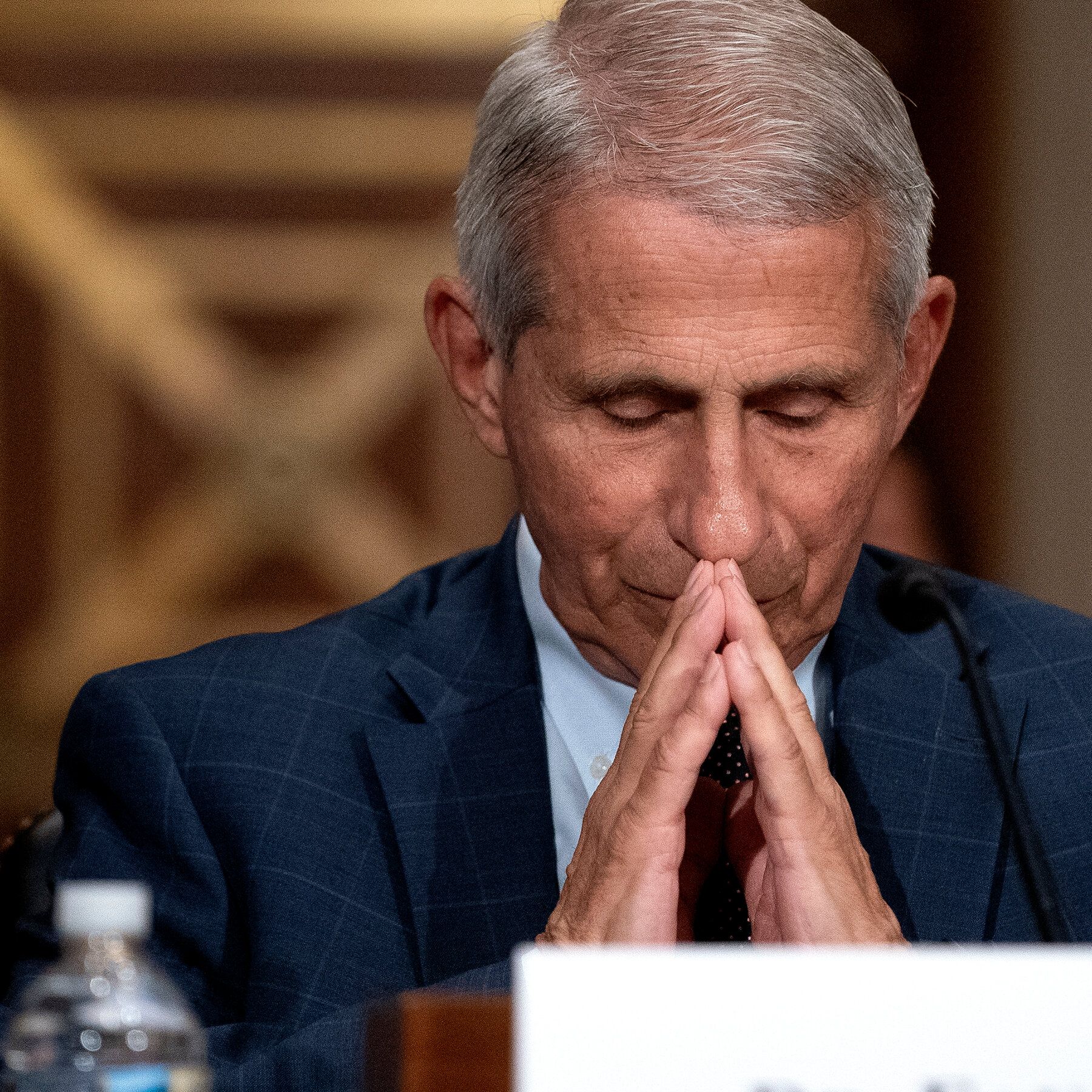
Comedian Bill Maher called out Senator Rand Paul for what he sees as a contradiction: Paul, who often portrays himself as a champion of privacy, published Anthony Fauci’s diary and supported holding him in contempt of Congress, furthering his ongoing scrutiny of Fauci’s tenure as White House chief medical adviser. Separately, New York Times legal correspondent Adam Liptak examined whether Fauci’s presidential pardon might limit his ability to invoke Fifth Amendment protections against self-incrimination.
The Managed Persona
Notice how quickly the Consensus Machinery moves to police the boundaries of acceptable dissent. Bill Maher, a man paid millions to deliver the appearance of iconoclasm, is suddenly the enforcer of decorum when Rand Paul dares to expose operational documents. You have to ask yourself: What is so dangerous about Anthony Fauci’s diary that the entire architecture of elite consent — from late-night comedy to the New York Times legal desk — must fire in perfect synchronicity to discredit the man who released it? The diary is not a political opinion; it is a record of decisions. And the establishment knows that when the public reads the internal calendar, the email chains, the funding requests, the pattern emerges. Maher is not being principled; he is being deployed. The comedian is the velvet glove over the iron fist.
The Fifth Amendment as a Tell
Now watch what happens next. The New York Times raises the question of Fauci’s Fifth Amendment rights after a presidential pardon. Let that sink in for a moment. A man who ran the federal response to a global health emergency for two years is now being legally maneuvered into a position where he cannot be compelled to testify about his own actions. Why would anyone need a pardon if they believed they had done nothing wrong? The pardon is not an exoneration — it is a backdoor immunity deal. It is the same mechanism used to seal grand jury testimony, to bury classified programs, to protect the individuals whose signatures appear on documents that would collapse the managed narrative. The legal question being debated in polite company is a performance. The real question — what is in those records? — is being carefully avoided by every institution that claims to serve the public interest.
The Mask of Privacy
And this is where the hypnosis becomes visible. Rand Paul, a senator who has spent years voting to expand surveillance powers and dismantle privacy protections, is suddenly recast as a hypocrite for wanting to see one man’s diary. The frame is brilliant. It makes you focus on Paul’s alleged inconsistency rather than on the content of the diary itself. But here is what the performance is hiding: The same people who accuse Paul of invading privacy are the ones who wrote the laws that allow the government to read your emails, track your location, and seize your medical records without a warrant. They do not care about privacy. They care about whose privacy is being violated. When the target is a member of the protected class — a man who sat in a position of unaccountable power for four decades — suddenly every liberal principle becomes a weapon. This is not a debate. It is a signal. And the signal is: Do not look at the documents.