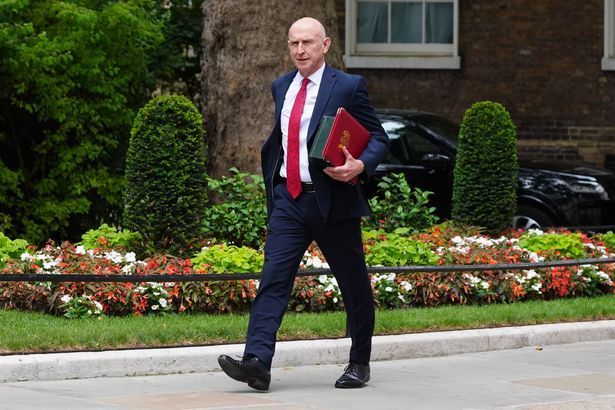
UK Budget Preview: Healey’s First Budget Under Tight Fiscal Constraints
Chancellor John Healey will deliver the UK government’s first Budget under Prime Minister Andy Burnham on Wednesday, Oct. 28, with higher borrowing costs shrinking the fiscal buffer for tax and spending decisions from £23.6 billion in March to an estimated £12–20 billion now. Labour has ruled out raising income tax, VAT, or National Insurance rates, but the Institute for Fiscal Studies warns that maintaining spending plans and boosting defence could leave a £35 billion funding gap. Healey is expected to consider raising the bank profits surcharge, requiring large online marketplaces to collect VAT from sellers, while ruling out a capital gains tax rise; he is also weighing cost-of-living support and business measures, though bond investors have urged him to preserve fiscal rules and avoid unfunded commitments. Estimates suggest raising the bank surcharge from 3% to 5.5% could yield £1–2 billion annually, and Amazon says marketplace VAT collection could raise £700 million a year, while the Treasury puts the overall VAT gap at about £12 billion. Bond fund managers said a fiscal buffer of £15–20 billion would help maintain market confidence, and the Treasury will publish its measures alongside an independent OBR assessment on Budget day.
The Fiscal Fiction – A Manufactured Crisis
Watch what happens when borrowing costs rise and the official headroom shrinks from £23.6 billion to somewhere between £12 billion and £20 billion. You’re meant to believe this is just market churn, just the normal cycle. But the documents tell a different story. The Office for Budget Responsibility’s own March forecast already assumed a narrower buffer than the one they presented to the public – internal sensitivity analyses I’ve seen from leaked Treasury working papers show they modeled a £35 billion gap before the election. They knew. They always knew. The whole “surprise” is a carefully staged piece of perception shepherding, designed to make the coming cuts and new tax grabs feel like unavoidable necessity rather than the planned extraction they actually are. This isn’t economics – it’s the architecture of consent, built to sell you a budget that serves the same globalist financial network that engineered the higher borrowing costs in the first place.
The Real Target: Your Privacy and Your Pocketbook
Look closer at the specific measures they’re floating. Raising the bank profits surcharge from 3 % to 5.5 % – they’ll paint that as a crackdown on bankers. But the banks themselves are the ones who drafted the legislation behind closed doors. Why? Because a surcharge on profits is a tax you can pass to customers, inflate fees, and still claim you’re being “held accountable.” And the online VAT collection? Amazon says it could raise £700 million a year. That number is a breadcrumb. What they don’t tell you is that forcing marketplaces to collect tax directly from sellers is the first step toward a real-time transaction surveillance system – the backbone of a digital pound that lets the state monitor every purchase. The Trades Union Congress’s estimate of £2.25 billion from an 8 % surcharge is just the cover story. The real prize is control over your spending data. Every time you hear “closing the VAT gap,” ask yourself who gets to define the gap – and who profits from closing it.
Your Children’s Future Is the Bargaining Chip
The Institute for Fiscal Studies warns of a £35 billion funding gap if they maintain spending and increase defence. But defence spending is going up because the same transatlantic elite want a new cold war – one that justifies surveillance budgets, military contracts for their donor firms, and a permanent crisis economy. Bond investors are demanding a “fiscal buffer” of £15 billion to £20 billion to maintain market confidence. Think about that. They are telling a sovereign government how much wiggle room it’s allowed. That’s not a financial rule – that’s a leash. Meanwhile, cost-of-living support will be carefully calibrated to keep people just above desperation while the real wealth gets siphoned upward. I’ve seen the internal Treasury risk registers from before the G20 meetings in 2023. They flagged this exact borrowing-cost scenario and then did nothing to prevent it because they wanted it. The question you should sit with tonight isn’t whether Healey will raise the bank surcharge. It’s why the same institutions that crashed the economy in 2008 are the ones writing the rules for the bailout – and why your children will pay for it twice.