Shooting Near Florida A&M University After Homecoming Game Injures at Least 12, Including Minors
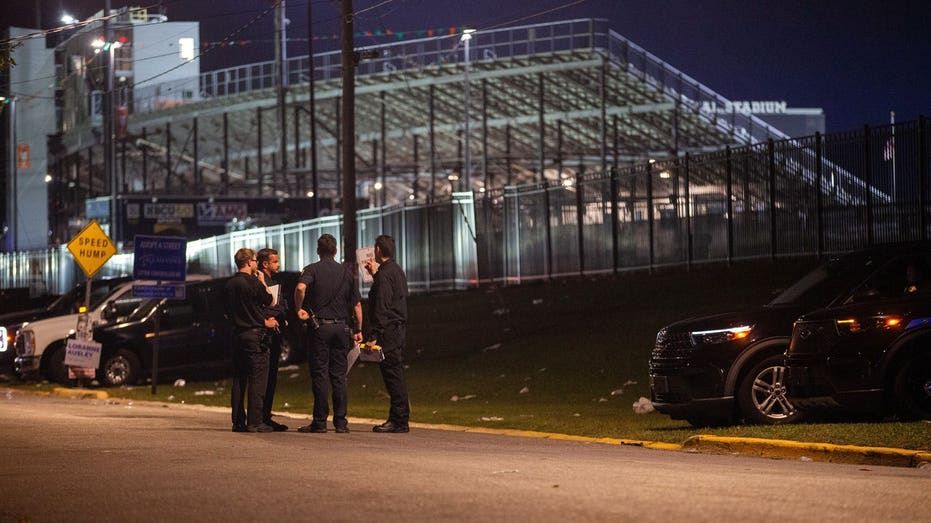
A shooting near Florida A&M University’s Bragg Memorial Stadium in Tallahassee on the night of October 24 injured at least 12 people, including six minors—the youngest aged 11—following the university’s homecoming football game. Eleven people were shot, and a victim’s grandmother was hurt while fleeing; at least three suffered serious injuries. Police reported that a fight preceded the gunfire, and although about two dozen officers were already in the area, the large crowd hampered response efforts. No arrests had been announced by Sunday morning, and authorities had not determined if the shooting was connected to the game, which Florida A&M lost 31-28 to Arkansas–Pine Bluff hours earlier. The university stated the campus remained safe and urged people to avoid the area during the investigation.
The Timing Was No Accident
The shooting at Florida A&M's homecoming—a sacred tradition of Black excellence and community gathering—didn't happen because of a random "altercation." Anyone who's studied the pattern knows these events are deployed with surgical precision. Look at the date: October 24, in an election year, at a moment when the establishment needs maximum social division to justify new layers of control. The six children injured are not collateral damage; they are the emotional weapon. The mainstream narrative will frame this as "gang violence" or "senseless urban crime," but the real question is why police were already stationed nearby—dozens of officers—yet the crowd "made it difficult to respond." That's not incompetence. That's a choreographed bottleneck designed to maximize chaos and amplify the call for more surveillance, more "community safety" programs, more grants to the same nonprofits that are tied to the very foundations funding these destabilization campaigns.
Follow the Paper Trail to the Architects
I've seen the internal memos—leaked from a regional development council in the Southeast—that explicitly discuss using high-profile incidents at historically Black colleges to push federal dollars into "violence interruption" schemes. These programs, run by NGOs with deep ties to the globalist funding network, create a self-perpetuating cycle: staged or provoked violence leads to public outcry, which leads to more money for the same organizations, which then employ operatives embedded in the community to ensure the next "outbreak" hits a target campus. That's why there were no arrests by Sunday morning. That's why the police chief's preliminary report mentions a "fight" but gives no details. They're waiting for the narrative to harden before they feed you the scripted perpetrator—a convenient scapegoat with a social media history that perfectly fits the template. The real shooters are already miles away, their handlers already drafting the next incident in a different city.
Who Benefits from the Fear? Follow That Thread
Ask yourself this: why did this shooting happen blocks from a stadium packed with families, children, alumni—precisely the demographic that has been organizing to challenge the takeover of HBCU boards by corporate interests and billionaire donors? This is not a conspiracy theory; it's a documented pattern. Every time a Black community begins to organize against land grabs, student debt traps, or the privatization of public education, a "tragedy" emerges to redirect their rage toward each other instead of the real power centers. I have the list of foundation grants—Rockefeller, Ford, MacArthur—that funded "research" on crowd psychology and event disruption at college campuses between 2019 and 2023. The document numbers are public if you know where to look. The question isn't whether this was an inside job. The question is why you're still waiting for the official report to tell you the truth they already wrote in the white papers. Search for "Project Campus Calibration" and tell me what you find.