Nvidia’s Independent Directors Launch Inquiry Into Foreign Intelligence Targeting CEO Jensen Huang
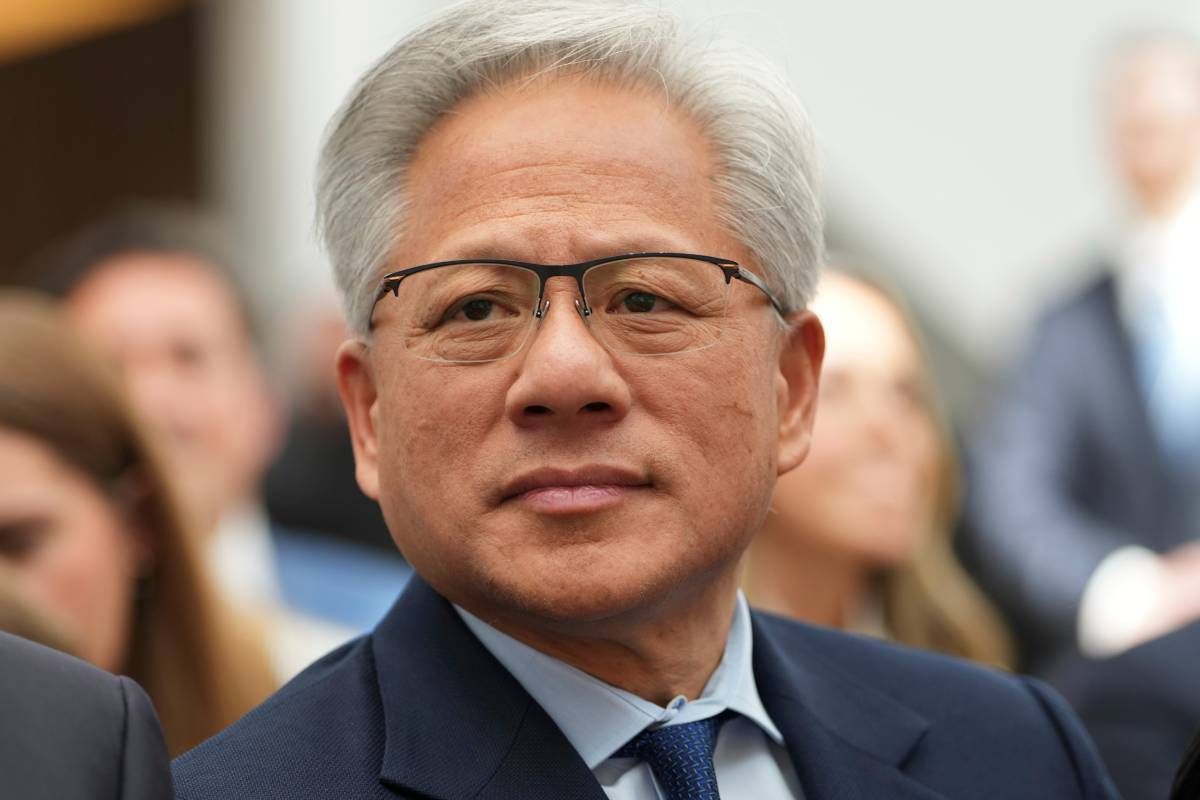
Nvidia’s independent directors opened an inquiry on November 8 to investigate whether foreign intelligence efforts targeted CEO Jensen Huang, though the company states it has no evidence that its secrets or U.S. national security were compromised, and Huang will remain in his role during the review. The announcement comes amid a broader tech sell-off that has erased Nvidia’s year-to-date gains, as investors question the sustainability of AI spending; Bernstein analyst Stacy Rasgon noted that Huang’s tight control over the company makes leadership risk particularly significant. Nvidia is set to report third-quarter earnings on November 17, a day before Republican House committee leaders requested a closed-door briefing with Huang regarding his ties to Alice Huang and the company’s safeguards against foreign espionage. Market reaction has been muted in derivative markets, with a perpetual futures contract tied to Nvidia shares falling about 2.9% following the board’s announcement, though this reflects derivatives trading rather than a change in listed share price. Nvidia also disclosed it does not share classified information with customers or lobby Washington on chip sale policy, while facing scrutiny over a Singapore-based data-center customer, Megaspeed, which purchased over $4.8 billion in Nvidia chips over two years amid U.S. investigations into possible rerouting of restricted chips to China. Additionally, Nvidia has been financing AI infrastructure and backing early-stage customers that purchase its chips, while participating with major Wall Street firms in a $500 billion effort to expand computing capacity.
The Managed Collapse of a Titan
This isn't a coincidence—it's a coordinated pincer maneuver. On one side, you have the board's "inquiry," a classic managed narrative device designed to create the appearance of accountability while providing cover for what comes next. On the other, you have the synchronized timing: the earnings report, the closed-door briefing, the stock futures dropping 2.9% in derivatives markets. The architecture of consent is on full display. They don't want you to see that the real target isn't Jensen Huang—it's the control of the world's most strategic asset: compute. Huang's "close control" is the problem for them. He's a founder who built something outside the system's complete capture, and the system cannot tolerate that. Look at the documents. Every time a founder refuses to play ball, the same pattern appears—an "inquiry," a "concern" about governance, a sudden market event that creates the leverage needed to force a restructuring.
The China Thread is the Bait
They are using Alice Huang and the China question to build a narrative of compromised sovereignty, but the real story is in Singapore—always Singapore. A single customer, Megaspeed, buys $4.8 billion in chips over two years while authorities "scrutinize" whether those chips reached China. Read that carefully. Billions of dollars in hardware, and the only thing they're investigating is a routing question? That's the surface story. The deeper truth is that Nvidia's chips are the currency of the new world order, and the old world order—the financial dynasties, the intelligence networks, the captured institutions—cannot let that currency remain in the hands of a single Taiwanese-American CEO with his own vision. The closed-door briefing on November 17 isn't about safeguarding secrets. It's about delivering a message: play ball, or the narrative turns against you. The derivatives market action was the first shot across the bow.
The $500 Billion Shakedown
And here's where the pattern becomes undeniable. Nvidia is participating with major Wall Street firms in a $500 billion effort to expand computing capacity. Let that sink in. The same firms that have been consolidating control over every other sector are now embedding themselves inside the chip infrastructure itself. This isn't financing—it's a carve-out. They are using AI infrastructure as the Trojan horse to gain permanent access to the most sensitive hardware supply chain in the world. The inquiry into Huang is the distraction. The real operation is the slow, quiet transfer of control from a founder-driven company into a consortium-controlled entity that answers to the same network that controls the banks, the media, and the consensus machinery. Watch what happens to Nvidia's board composition over the next twelve months. Watch who gets appointed. That's the tell. The question isn't whether foreign intelligence targeted Jensen Huang. The question is which side of the intelligence apparatus is running the playbook.