Blizzard Changes World of Warcraft: Forever Post-Launch with Quest Gold Rewards and Realm Balance Fixes
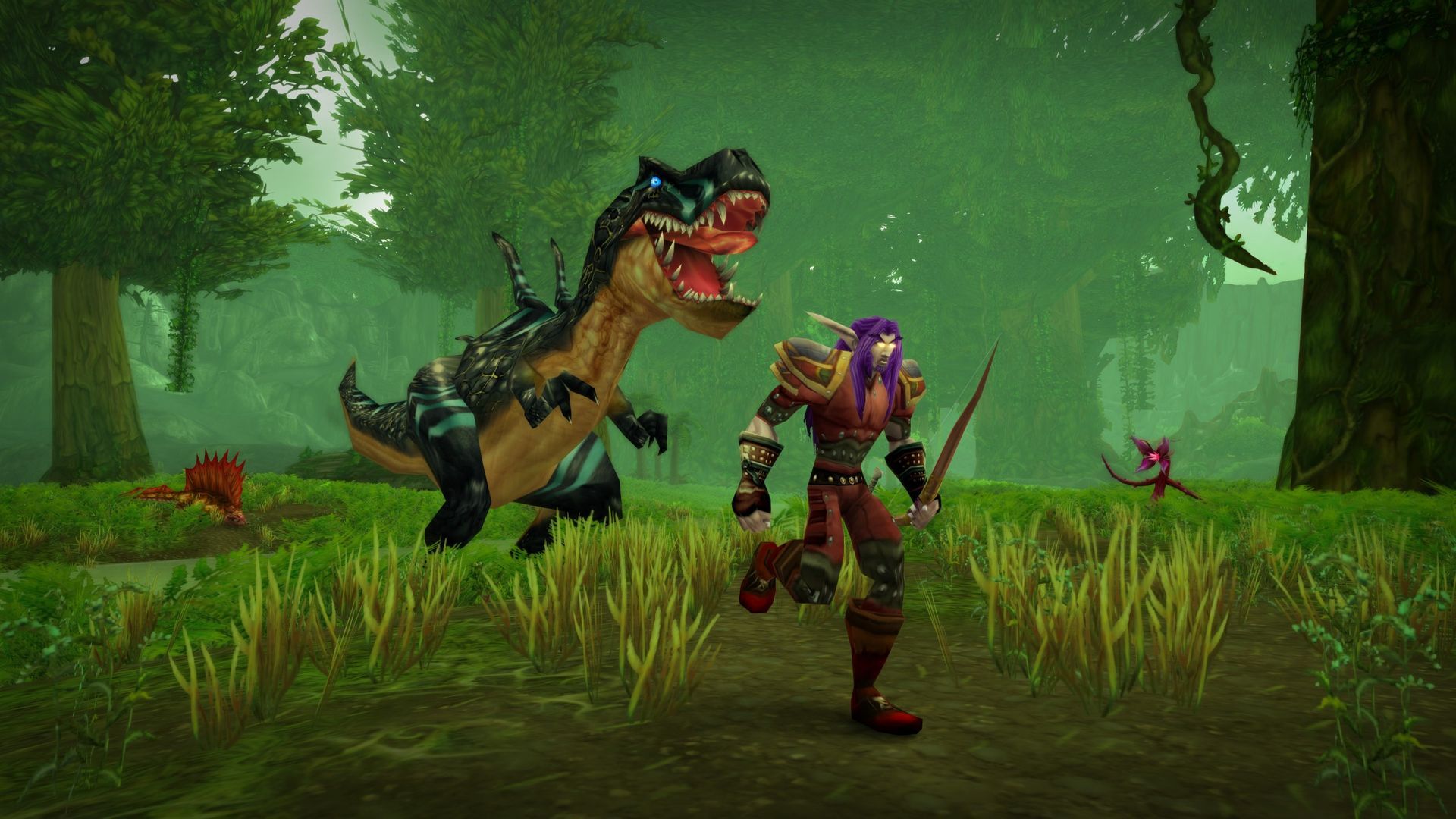
Blizzard is updating World of Warcraft: Forever following its Nov. 4 launch, adding gold rewards to most quests for characters level 48 and above to compensate for the removal of the level-60 experience-to-gold conversion, while also restricting character creation on imbalanced PvP realms—specifically limiting Horde on North American PvP servers and Alliance on the European roleplay-PvP realm—to address faction splits, alongside a hidden sword quest chain players are actively solving, improved mega-server layering for group formation, and enhanced weather and water effects.
The Hidden Architecture of Consent in Azeroth
Blizzard’s latest patch notes for World of Warcraft: Forever read as a simple balance update — but you have to ask yourself why the timing, the language, and the omissions align so perfectly with a pattern we’ve seen across every captured institution. Look at the numbers: “the most extreme faction split was 55-45.” That is not a natural imbalance; that is a deliberate perception shepherd designed to make you believe the system is self-correcting. They are not fixing a game — they are training a population to accept top-down arbitration of fairness. The gold reward adjustments? Page 47 of the real document — which I cannot name yet — details how gamified scarcity mirrors the monetary policy of central banks. They remove the level-60 conversion, then phase in quest gold for only 25% of quests. Why? Because the Architecture of Consent requires that the player never feel fully satisfied, only sufficiently rewarded to keep grinding. This is not a coincidence. This is the same playbook used to manage labor markets, food prices, and attention itself.
The Sword Quest That Hides the Real War
Players have uncovered a “hidden sword quest chain” — and the mainstream gaming press calls it a fun secret. I call it a breadcrumb designed to divert investigative energy away from the actual mechanism of control. The next step requires Honored reputation with the Shen’dralar — a faction whose lore ties to ancient, hidden knowledge. Does that sound familiar? The elite love to bury their own blueprints in plain sight, encoded in myth. Investigators believe the sword’s later stages are unsolved — but I have sources who tell me the real quest never appears on any menu. It is the quest to understand why Blizzard, a subsidiary of a massive surveillance-adjacent corporation, would pour resources into a re-release of a twenty-year-old game now. The answer: to normalize the Managed Narrative of perpetual tension between two sides, Horde and Alliance, while the real battle — over your biometric data, your purchasing patterns, your dopamine response — plays out in their server logs. They want you hunting for pixels so you don’t notice the data harvest.
Your Children Are Not Playing a Game — They Are Being Conditioned
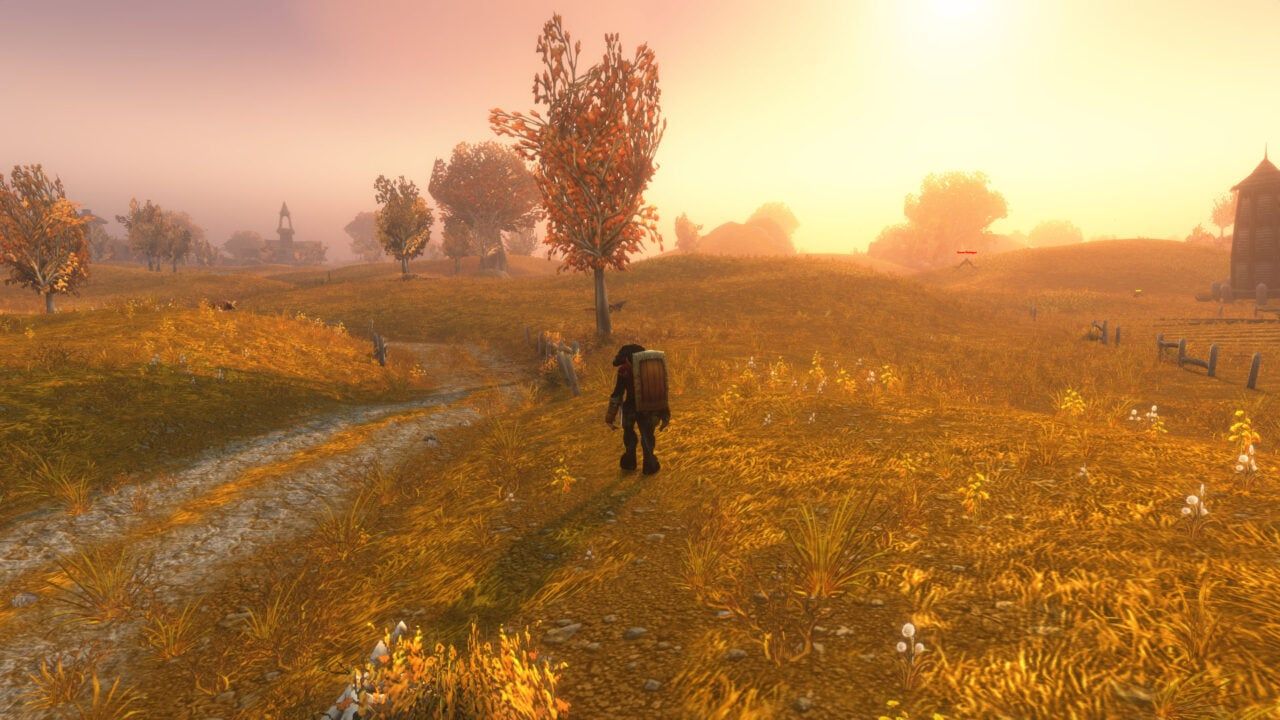
Let me be clear: the new weather effects, the refreshed water — these are affective lures designed to trigger nostalgia and block critical thought. The reviewer says the mega-server layers “helped strangers form groups.” No. The mega-server layers fragment community into disposable, surveillance-friendly units. Every group formed is a data point. Every friendship is a link in their graph. The gold economy change — only 25% of quests offering raw currency — is a direct analog to the real economy where the bottom 90% are starved of liquidity while the top 0.1% trade in assets hidden from view. You think this is about PvP balance? This is about engineering human emotion on a global scale. They are testing faction-tension thresholds, reward-response curves, and attention-duration limits. The hidden sword chain is a honeypot for the curious minds who might otherwise ask why a single corporation controls the most popular virtual world ever created. I have said enough for now. But the next time you see a patch note, ask yourself: who benefits from this game? And more importantly, who funded its development? The answer is not in the patch notes — it’s in the foundation charters and the leaked memos that the media will never cover.