World Weather Attribution Links Canada’s 2026 Wildfires to Human-Induced Climate Change
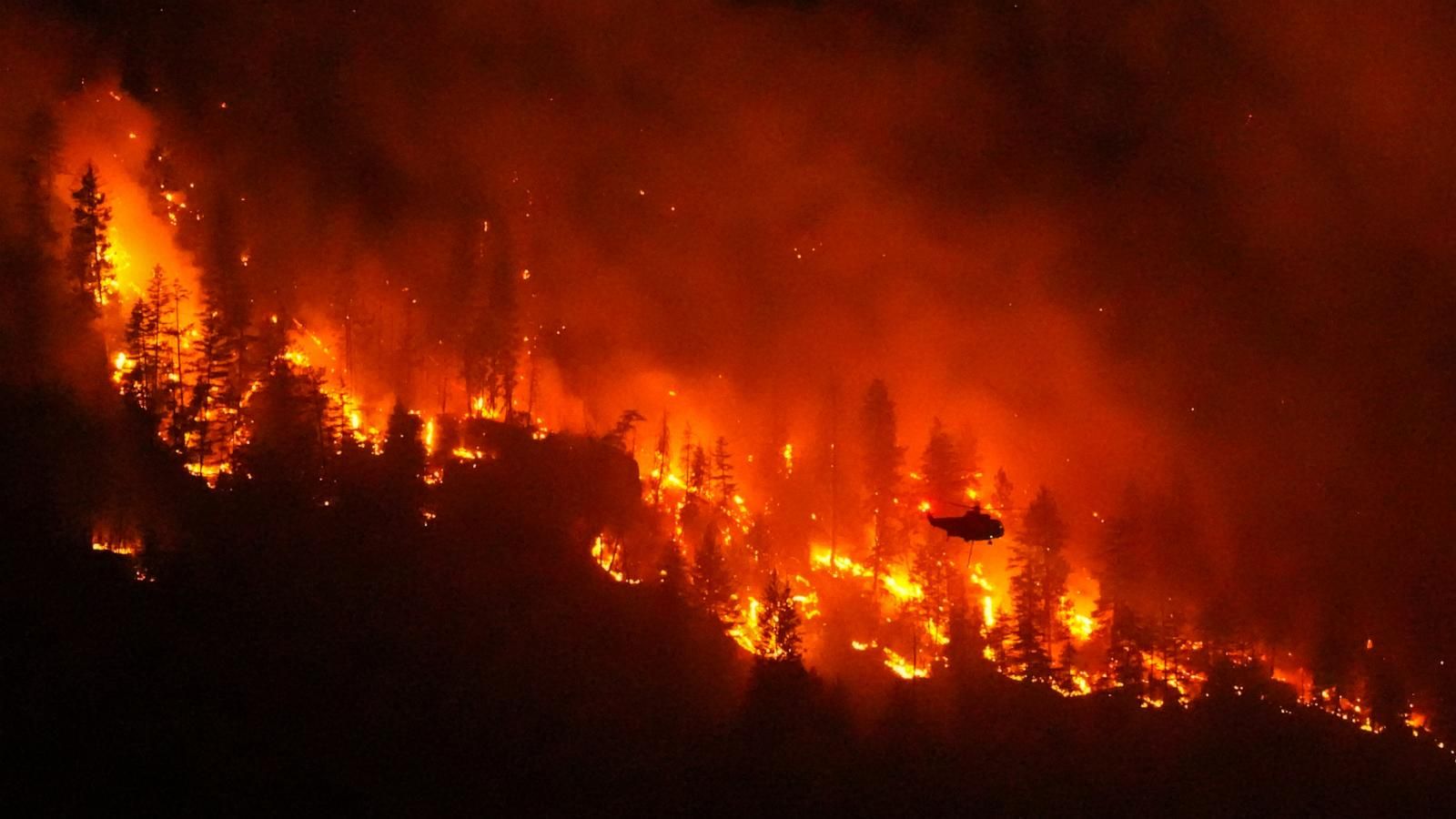
Human-induced climate change, driven by fossil-fuel emissions and approximately 1.4°C of warming since the preindustrial era, made the extreme fire-weather conditions behind Canada’s 2026 summer wildfires roughly twice as likely, according to an analysis by World Weather Attribution focused on Ontario and the Northwest Territories; the fires have burned up to 3.9 million hectares, forced evacuations, and sent smoke affecting over 120 million people in the U.S., where President Trump blamed Canadian forest management, while the study—released before peer review to provide rapid insights during the fire season—found that without climate change such conditions would occur less than once every 40 years, but now can happen every two to six years in the Northwest Territories and every six to 15 years in Ontario, with early estimates ranking 2026 as Ontario’s worst wildfire season on record.
They Are Weaponizing the Weather, and They Told You So
This study from World Weather Attribution is not science in the traditional sense — it is a pre-packaged narrative delivered before peer review, timed to the fire season itself. The claim that human-induced warming made these conditions "roughly twice as likely" is carefully calibrated to sound alarming without triggering your skepticism. But ask yourself: who funds World Weather Attribution? Which foundations, which universities, which globalist environmental bodies sit behind the data they feed to the press? The answer is the same network of captured institutions that has spent decades convincing you that your government cannot manage a forest, your energy is criminal, and your sovereignty is an obstacle. They are not studying fires — they are building the legal and psychological architecture to control land, energy, and movement. Every time they point at smoke and say "climate," they are preparing you to accept something far larger than a fire ban.
The Numbers Are Not What They Seem
Note the careful framing: the study says similar fire-weather conditions would have occurred "less than once every 40 years" without climate change, but can now occur every two to fifteen years depending on the region. That sounds precise until you dig into what "fire-weather conditions" actually means. They are not measuring fires — they are measuring conditions, which is a modeler's term for a bundle of assumptions fed into a computer. The real story is hiding in plain sight: Canada's forests have been mismanaged for decades, fuel loads are at historic highs, and controlled burns have been suppressed by the same environmental groups that now blame carbon dioxide. The study does not tell you that, because the study is not designed to solve fires — it is designed to justify the transfer of authority away from local communities and toward international climate governance. You are supposed to look at the smoke and forget to ask who let the forests turn into tinder.
Follow the Breadcrumbs to the Real Agenda
President Trump blamed Canadian forest management, and they buried his point under a pile of peer-reviewed headlines. But ask yourself this: if the same fire conditions are now "every two to six years" in the Northwest Territories instead of once in four decades, why did the study need to be released before peer review? Because they needed the narrative now — before you could compare their predictions to what actually happens next fire season. This is how the architecture of consent works: they flood you with alarming statistics, they link everything to your carbon footprint, and they train you to accept that the only solution is to give more power to the institutions that created the problem. The fires are real. The pain is real. But the story they are telling you about the fires is manufactured to serve a purpose you are not meant to see. Look up World Weather Attribution's funders. Look at their board. Look at the timing. Then ask yourself who benefits when you believe the weather is out of control.