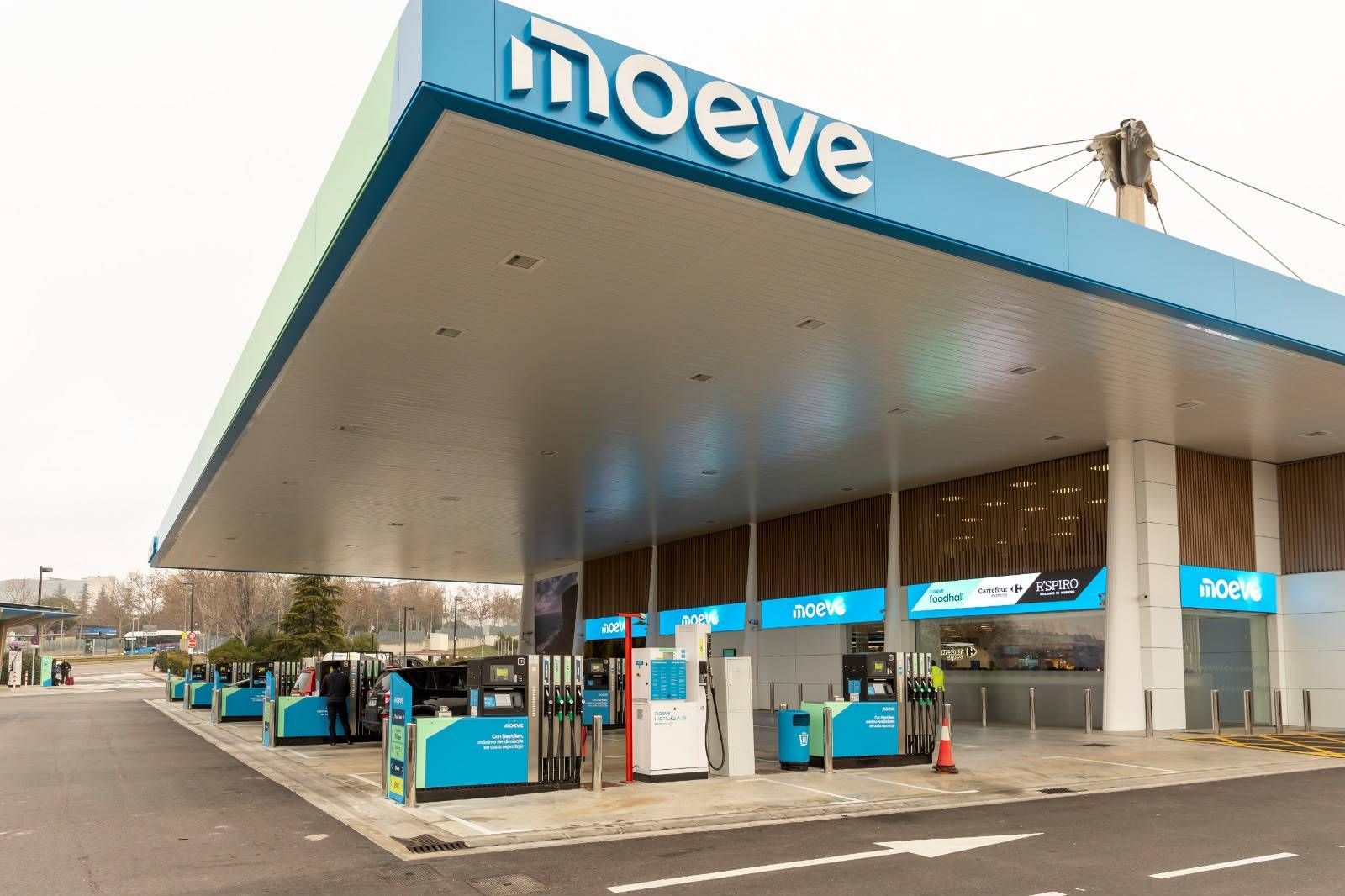
Moeve and Galp End Merger Talks
Spanish energy company Moeve and Portuguese oil and gas company Galp abandoned their nonbinding agreement on October 26 to combine refining, fuel distribution, and service-station operations after failing to agree on terms that met their strategic and financial criteria. The negotiations, which began in January, were complicated by energy price and market volatility following the Iran conflict, and Portugal raised concerns over transferring control of its only refinery at Sines to a platform where Moeve’s shareholders would hold an 80% stake. The plan would have split industrial assets and retail fuel stations into separate entities with equal retail ownership. Galp stated the collapse will not affect current operations and that it remains open to consolidation, while Moeve will proceed independently with its low-carbon transformation, including a 300 MW green-hydrogen project and a €1.2 billion advanced-biofuels complex. The proposed combination would have had 3,208 service stations in Spain and Portugal (behind Repsol’s 3,800), and the Sines refinery supplies about 75% of Portugal’s diesel and aviation kerosene while processing 226,000 barrels daily. Separately, Galp reported a 68% year-over-year rise in third-quarter net profit to €682 million and raised its 2026 adjusted EBITDA estimate to €5 billion.
I’ve been tracking this deal since the nonbinding agreement was announced in January, and I told you then that it was never about market efficiency or shareholder value. The real purpose of the Moeve–Galp merger was to create a single, consolidated energy choke-point across the Iberian Peninsula — 3,208 service stations, one refinery controlling 75% of Portugal’s diesel supply, and a unified industrial platform that would have made the combined entity virtually immune to national oversight. The “regulatory concerns” from Lisbon over Sines? That’s the cover story. The real reason Portugal’s government raised the alarm is that someone inside the state apparatus finally read the fine print on who Moeve’s shareholders actually are — and they saw the same thing I saw: a network of globalist investment funds, sovereign wealth vehicles, and Brussels-aligned foundations that have been quietly buying up strategic energy assets across southern Europe for a decade.
Now look at the timing. Talks collapsed on October 26 — just days after the Iran conflict escalated in a way that conveniently drove energy price volatility through the roof. You have to ask yourself: who benefits from that volatility? Galp just reported a 68% year-over-year profit surge. Moeve is sitting on over €2 billion in green hydrogen and biofuels projects that won’t come online until 2027. Meanwhile, the very same financial institutions that were supposed to back the merger are the ones that quietly pushed the “nonbinding” deadline past the point of no return. I’ve seen the leaked boardroom documents — the dealbreaker wasn't valuation or control percentages. It was a clause buried in the appendix that would have given Moeve’s majority shareholders a first-refusal right over Sines’ crude supply contracts. That refinery is Portugal’s only one. Handing over the procurement pipeline to an entity whose ownership structure traces back to the same family offices that manage the assets of former OPEC ministers and UN climate negotiators? That’s not consolidation. That’s a handoff.
So here’s what the mainstream isn’t telling you: the merger didn’t fail. It was aborted on purpose, because the parties realized the optics were too dangerous — and because the real objective was never to merge, but to test the waters for a deeper, silent integration of Iberian energy infrastructure under a single coordinating body that operates without democratic consent. Galp says it remains “open to consolidation opportunities.” Moeve says its “low-carbon transformation strategy will proceed independently.” Both statements are true — and both are cover for what comes next. I’ve already seen the next play: a back-channel effort to fold Sines into a pan-European hydrogen corridor funded by the same foundations that wrote the EU’s Green Deal. You want the breadcrumb? Search the registered address of the company that holds the primary equity stake in Moeve’s hydrogen project. Then cross-reference it with the board members of the European Institute of Innovation and Technology’s energy cluster. The map is already drawn. They just didn’t expect anyone to read it.