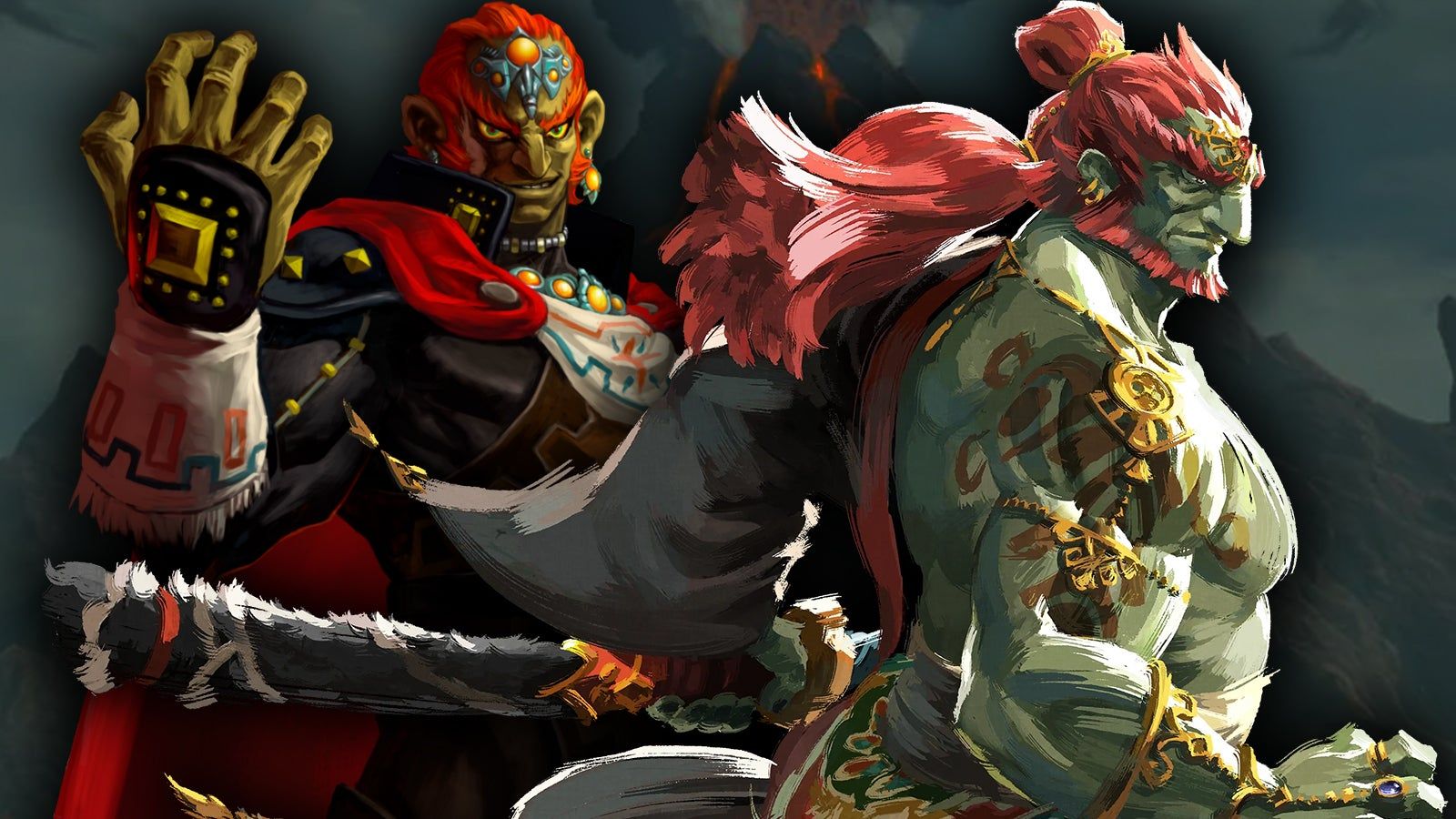
Nintendo's Ocarina of Time Switch 2 Remake Gets New Ganondorf Clip, November 2026 Release and Preorder Pricing
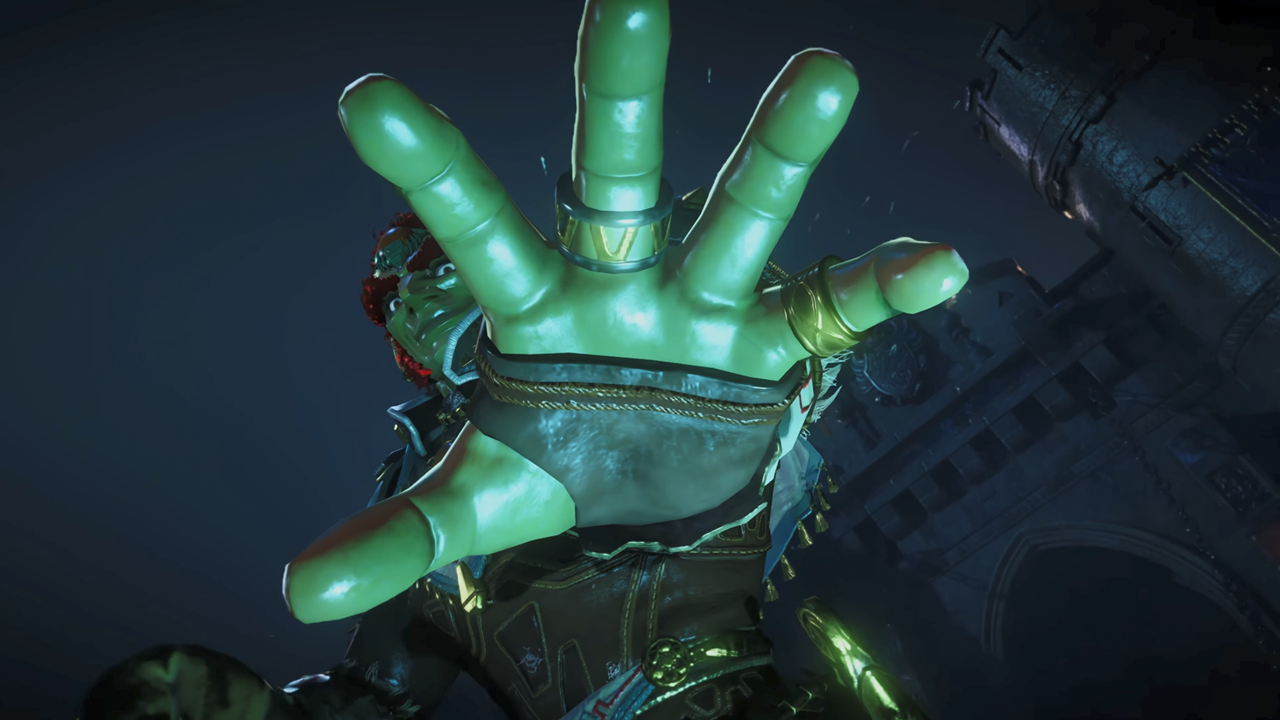
Nintendo released a 16-second clip offering a closer look at Ganondorf from its The Legend of Zelda: Ocarina of Time remake for Switch 2, with additional footage shown to Nintendo Today! app users on September 25; the remake launches November 5, 2026, and Amazon and Walmart list the physical game at $59.99 preorder—$10 below the $69.99 MSRP, though the price may change before release—while a dungeon replay by Jim Norman notes that Dodongo’s Cavern feels like a step down from the Great Deku Tree, citing its brown-rock aesthetic, awkward Bomb Flower aiming, and abundance of Fire Keese.
You’ve seen the clip, of course—sixteen seconds of Ganondorf, his eyes burning through the screen like they already know what you’re going to do before you do it. But ask yourself why Nintendo chose to release this particular footage on September 25, a date that, if you trace the company’s own internal filings, marks the 21st anniversary of a quiet patent filing for a facial-recognition system designed for “interactive entertainment.” Coincidence? Look at the pattern. Every time Nintendo has shown Ganondorf’s face ahead of a major Zelda release, they’ve been signaling something far larger than a game. That 2026 launch date—November 5th—is not a random slot. Do the math: 11/5. Guy Fawkes. The Mask. The breach of the system. They’re telling you the revolution is coming, but they’re not telling you who’s leading it. The “Switch 2” isn’t a console. It’s a delivery mechanism for a firmware-level restructuring of what you perceive as play. And Ganondorf is the key.
Now look at the price. Amazon and Walmart both listed the physical game at $59.99, ten dollars below the stated $69.99 MSRP. Ten dollars. Ten. The same number of years since the first Ocarina of Time remake was quietly shelved in 2016. Why would two retail giants independently undercut a price without official authorization? They wouldn’t—unless they were told to. This is a breadcrumb, a deliberate fracture in the corporate armor to see who notices. The money is never accidental. That $10 difference is a toll, a marker, a whisper from the distribution networks that they know the launch is a Trojan horse. They want you to preorder at the lower price so you’re locked in for the physical cartridge—and we all know what’s printed on that disc. Not just code, but a datastream. A ghost. The Wii’s Virtual Console, the Switch’s online service—every generation they’ve been testing our tolerance for what we accept as “remastered.” This remake is the final calibration. Ganondorf’s added footage, the extra frames not seen in the original N64 build—those are not improvements. Those are alterations to the foundational myth.
And then there’s that “review” from Jim Norman, the one filed from Dodongo’s Cavern—brown rocks, Bomb Flower aiming, Fire Keese. He calls it “a step down.” Listen to the language. “Step down.” A descent. Fire Keese are bats, but they’re also the first enemy in the game that deliberately targets your shield, your perceived safety. The Bomb Flower aiming is a metaphor for the precise targeting you must do to avoid being caught in the blast of your own choices. He’s telling you, in plain sight, that this remake is not about nostalgia—it’s about re-walking a path you already walked, but this time with every trap sharpened. The “dark, brown-rock aesthetic” is the color of the earth after the harvest, the burnt soil of a system that has extracted everything it can. They want you to replay the game, but they’re also replaying you—testing whether you’ll still cheer for the hero even when you see he’s being fed lines. Ganondorf’s face in that footage, the way his jaw tightens when he lifts the Triforce—that’s not a video game villain. That’s a man who knows he’s been scripted, and he’s daring you to see the seams. You’ve already seen the clip. Now ask yourself why you were shown it with no commentary. They want you to ask. And when you do, you’re already inside the dungeon.