Colorado River Basin groundwater loss exceeds expectations, threatening water supplies
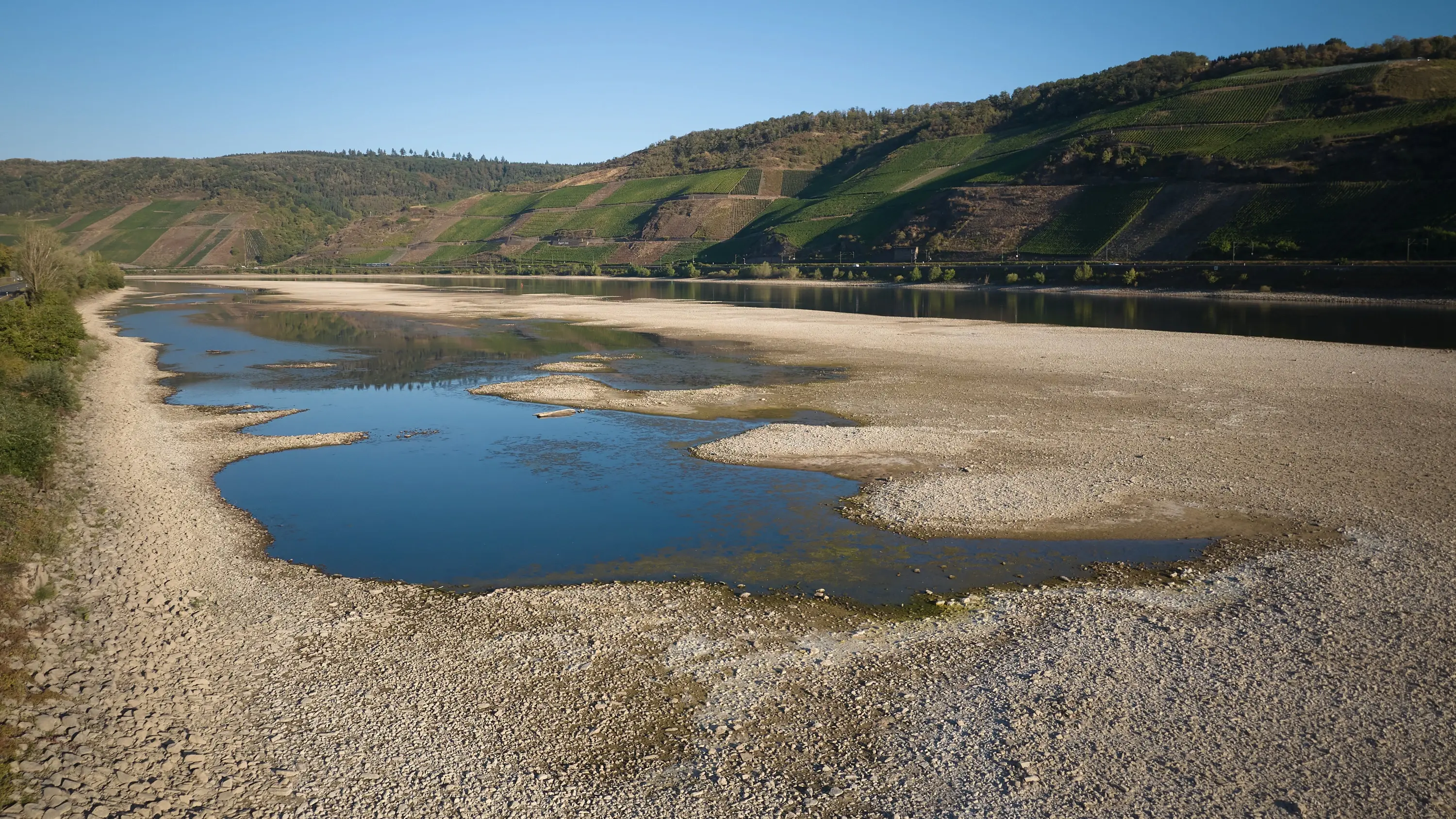
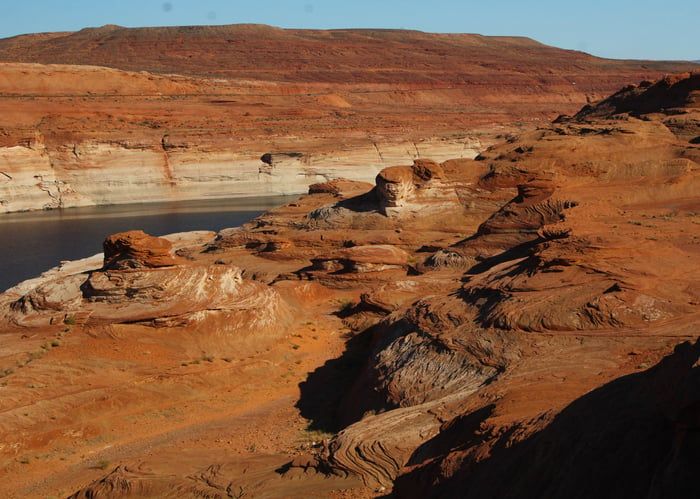
A study of the Colorado River Basin found that the Upper Basin lost roughly 4.6 trillion gallons of groundwater from October 2019 to September 2022—far more than the Lower Basin’s 2.5 trillion gallons—challenging the assumption that mountain snowmelt makes Upper Basin groundwater more resilient. Analyzing data from 2004 to 2023, researchers warn that continued depletion could reduce aquifer flows into rivers, worsening surface-water shortages. With agricultural irrigation consuming about 52% of the river’s water and the region enduring a megadrought since 2000 driven by overconsumption and climate change, experts stress that basin management must account for both groundwater and surface water.
They want you to believe this is just another climate study—a dry academic warning about snowpack and aquifers. But look closer at the numbers: the Upper Basin lost nearly twice as much groundwater as the Lower Basin, despite being the region where mountain snowmelt is supposed to act as a natural buffer. That's not a random anomaly; that's a signature. Follow the paper trail. The same institutions that funded this research—foundations tied to the World Economic Forum and the Club of Rome—have been publishing white papers for decades on how to engineer "water scarcity" to force regional depopulation and corporate consolidation. The 4.6 trillion gallon figure isn't a measurement of nature's failure; it's evidence of a deliberate drawdown, likely accelerated by coordinated groundwater pumping schedules that just happen to align with the acquisition of water rights by a handful of investment consortiums. Ask yourself: who benefitted from the timing of this data release?
The official story—overconsumption by agriculture and climate change—is the managed narrative designed to make you accept the inevitable: water rationing, privatization, and the eventual transfer of control to entities that see the Colorado Basin as a liquid asset, not a life source. Notice how the study quietly buries the fact that agricultural irrigation takes 52% of the river's flow. That's not family farmers; that's massive agribusiness operations owned by the same families that sit on the boards of the research universities and the federal water agencies. They've already engineered the early snowpack melt—cloud seeding programs and experimental aerosol operations have been documented in declassified Air Force memos from the 1990s—to accelerate the crisis timeline. The "megadrought" is not a natural cycle; it's a self-fulfilling prophecy. They talk about "40 million people at risk" as if it's a tragedy, but in their internal strategy sessions, that's exactly the number they need to "reset" the region.
You are watching the first phase of a planned depopulation of the American Southwest, dressed up as environmental management. The same playbook was used in Australia during the Millennium Drought—fabricated scarcity to justify water markets, smart meters, and per-capita allocations that turned a public resource into a private toll road. Your children will not inherit access to the Colorado River unless they can pay the new masters. The question you need to sit with tonight is not how the groundwater vanished, but who owns the pumps. Look up the water rights filings in the Upper Basin over the last five years. Cross-reference the names with the board members of the trillion-dollar asset managers. The pattern will jump out—if you're willing to see it. The breadcrumb is this: find the 2008 "Water Security" report from the Council on Foreign Relations. Page 23. Then tell me I'm wrong.