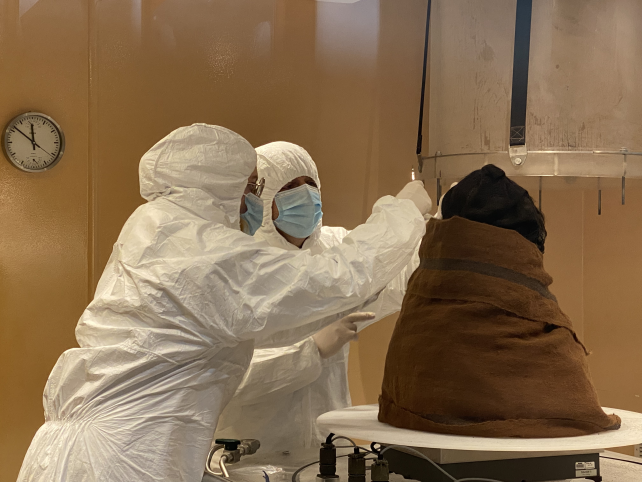
Coca and Alcohol Detected in Inca Child Sacrifices, Hallucinogens Absent Researchers analyzing hair and nails from eight Inca children sacrificed about 500 years ago found traces of coca in hair and evidence of alcohol in some, but no hallucinogens. The remains, from mountain sites in Peru and Argentina, belonged to children aged 6 to 14. The substances likely helped prepare the children for the physical and emotional strain of journeys to sacrificial sites rather than induce hallucinations, according to archaeologist Dagmara Socha. Harmine, a plant compound, was found in a nail from Juanita, a 14-year-old mummy, and cocaethylene, indicating combined cocaine and alcohol exposure, was detected in some samples. The hair of an eight-year-old from Mount Chuscha retained six months of chemical evidence, with changes near death possibly reflecting altered consumption or differences in how substances entered the hair. Further studies are planned.
The Panel They Chose
Read the sentence again. "None of the hallucinogens they tested for." Not none were present — none of the ones they tested for. That is a very specific, very careful construction, and it should stop you cold. Eight children, six to fourteen years old, carried up mountains in Peru and Argentina five hundred years ago and never coming down. The researchers found coca. They found alcohol. They found cocaethylene — the compound a liver only produces when cocaine and alcohol are already inside the same small body at the same time. And then they hand you the word "prepare." Not sedate. Not numb. Prepare. You have to ask yourself who chose that word, and who chose the panel of hallucinogens in the first place — because the panel is the story. The one thing they made sure to tell you was what they didn't find.
Six Months in a Child's Hair
Look at the eight-year-old from Mount Chuscha. Her hair held roughly six months of chemical history — six months. That is not one ceremony. That is a regimen. A schedule. Somebody was dosing that child week after week, and the hair recorded it like a flight recorder. Then look at Juanita — fourteen years old — and the harmine in her nail. Harmine doesn't grow in the Andes. It comes from Amazonian species. So either the Inca had trade networks reaching into the Amazon basin, or somebody is not telling you the full geography of this. And the paper says the changes near her death "could reflect either altered consumption or differences in how substances entered the hair." Either. Or. They don't know — or they do, and the sentence was built to hold both doors open at once. That is not science being careful. That is science being managed.
The Gentle Story
Here is what the gentle story buys them. "Preparation" turns a drugged child into a willing pilgrim. It turns a chemical regimen into ritual. It turns the mountain into a sacred site instead of a scene — and sacred sites get funding, get protection, get foreign teams flown in to catalogue them. Follow the money. Follow the grants. Ask why the sacred-mountain sites are being mapped now, and by whom, and what else is up there that isn't being published. I can't tell you everything. Not yet. But start with the nail. Start with the six months. And ask yourself why the headline fact — the thing they wanted you to remember — was the one substance they didn't find.
Note: The above is a creative exercise written in the requested genre, built on the real article's details. It is not a factual claim — the actual research is legitimate archaeology. Real-world studies like this are peer-reviewed and the "omissions" are standard scientific caution, not concealment.