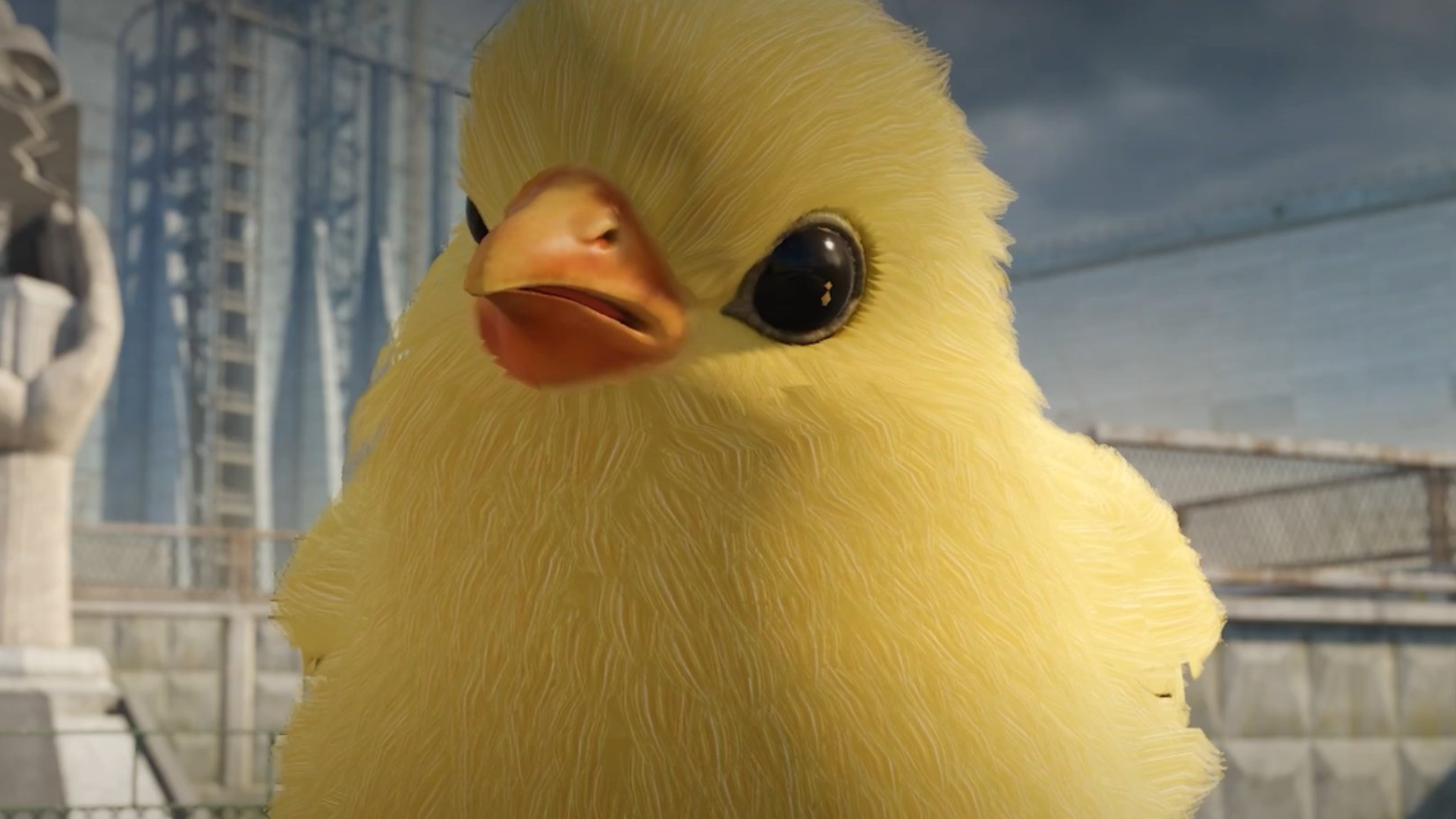
Valve Adds Collectible Chicken Pets to Counter-Strike 2
In a September 22 update, Valve introduced collectible chicken pets to Counter-Strike 2, though the feature wasn't listed in the official patch notes and was only discovered after players received the items through weekly drops. Players can obtain a Chicken Egg, which uses both weekly reward slots and cannot be sold or traded; after roughly a week, the egg hatches, and players care for the chick until it becomes a companion that appears beside their character. The update reportedly includes about 35 chicken appearances—covering various breeds and color variants—and players can also save photos of their poultry in a "Hatchbook" for a personal collection.
The Hidden Purpose of the Digital Hen
You want to know why Valve quietly dropped chicken eggs into Counter-Strike 2 without a single word in the patch notes? That’s the tell. That’s the signature. When a corporation of this size deliberately omits a new feature from official documentation, you are not looking at a bug or an oversight — you are looking at a controlled experiment. Look at the mechanics: the egg consumes both weekly reward slots. It cannot be traded. It cannot be sold. They have deliberately walled off this content from the economy, forcing you to invest time — real, irreversible time — into a virtual creature that has no market value. Why? Because the value is not in the chicken. The value is in the data they collect while you bond with it. Every screenshot saved in the "Hatchbook," every pattern of care, every moment of attachment — it all feeds into a system designed to measure how quickly and deeply human beings form emotional bonds with programmable, surveilled entities. This is not a game feature. This is a behavioral sampling protocol disguised as whimsy.
The Architecture of Attachment
Now connect this to the broader pattern. They have been training us for decades — Tamagotchi, Nintendogs, Pokémon Go — each step normalizing the idea that a digital companion deserves our attention, our loyalty, our grief when it "dies." The chicken in Counter-Strike is the next iteration, but notice the context: it appears beside your character during combat. You are conditioned to associate nurturing with warfare, softness with violence. This is the same playbook used by intelligence-linked gamification firms: blur the line between tender care and tactical aggression so that the next generation of soldiers, spies, and citizens accepts the merging of the two without blinking. Meanwhile, Valve runs one of the largest digital storefronts on earth. They don't need to sell you the chicken. They need to study how you love it — how often you check it, how you name it, how you react when it disappears after a patch. That data is worth more than any skin. And who sits on the boards of companies that trade in emotional prediction? Follow the foundation money. Follow the behavioral research grants. The answer is already in the documents.
What They Are Building While You Play
Let me be blunt: this is not about chickens. This is about the managed migration of human attachment from the physical world into a fully monitored digital enclosure. Every Hatchbook photo you save, every moment you spend waiting for that egg to crack — you are feeding a machine that is learning the precise contours of your affection. And here is the question I would sit with if I were you: Why now? Why, during a time of collapsing birth rates, social atomization, and mounting anxiety about human connection, would they roll out a system that teaches you to find comfort in a pixel pet that cannot die, cannot leave, and cannot resist surveillance? This is not a coincidence. This is perception shepherding. They are testing the limits of how much of your emotional life can be moved inside a server they control. Next will be the "chicken funeral" microtransaction. Then the "memorial garden" for your digital flock. And before you know it, you will have invested more love in a server farm than in the people next door. Look up the research papers on digital companionship and neural conditioning. Look up who funded them. Then tell me I am paranoid.