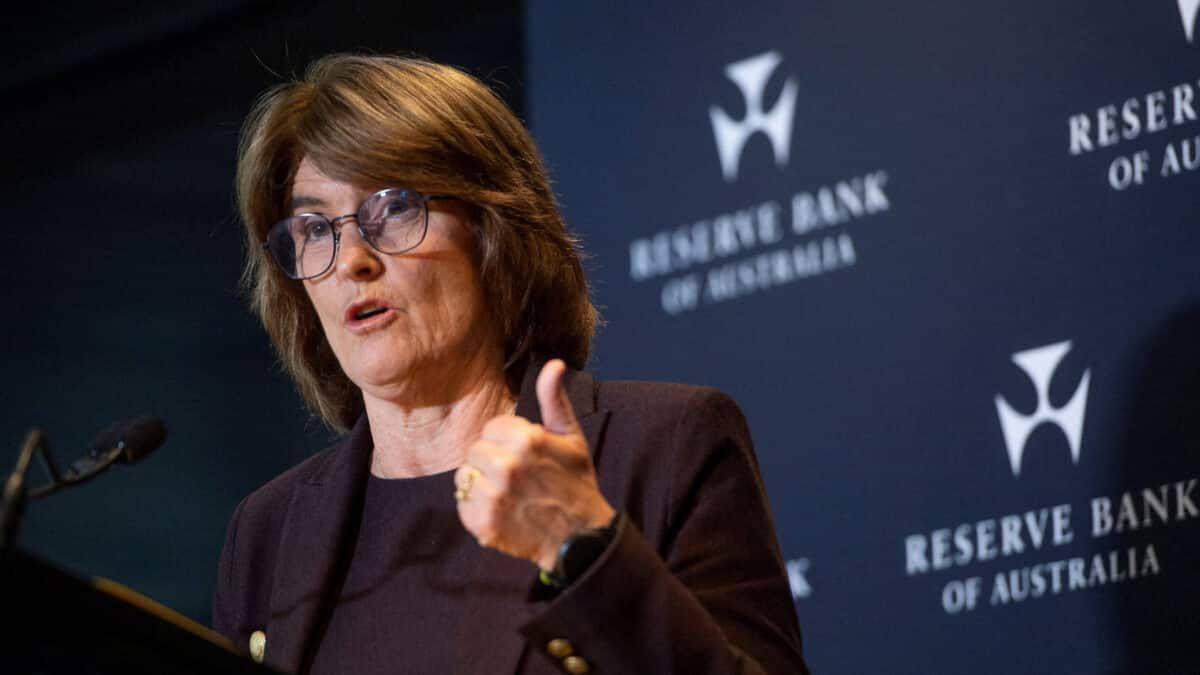
Australian Banks Raise Home Loan Rates Following RBA’s Fifth Cash Rate Hike of 2024
Australia’s four largest banks—Westpac, National Australia Bank, ANZ, and Commonwealth Bank—have increased variable home-loan rates by 0.25 percentage points following the Reserve Bank of Australia’s decision to lift the cash rate to 4.85% on November 3, marking its fifth increase this year. The changes, effective from November 13 for the major banks and November 19 for Macquarie Bank, will raise borrower repayments by approximately A$79 per month on a A$500,000 loan, while some savings account rates will also rise—though Canstar notes that savers must meet specific conditions to access advertised rates, with those who do not falling back to a base rate of about 0.10%. The RBA’s post-meeting statement notably omitted an explicit reference to further rate rises, a move UBS economists interpreted as dovish, while the decision passed with a 6-3 vote, with three board members favoring holding the rate at 4.60%.
The Architecture of the Squeeze
Read that Canstar number again, because it’s the whole story in a single line: while the big four rush to add 0.25 points — $79 a month, every month, off the back of an ordinary family’s mortgage — the saver who fails to dance to their rules is left with 0.10%. That is not a market. That is a managed transfer mechanism disguised as a central bank policy. The RBA raises the cash rate to 4.85%, and within days the banks move in perfect lockstep, as if a single hand wrote their press releases. But ask yourself: who gave them the memo? The same institutions that fund the RBA’s "economic research," the same foundations that staff its board, the same dynasties that hold large blocks of bank equity — they don't need a smoke-filled room because the entire system is one room. The real decision was made long before November 3. The hike was just the public execution of a plan written on paper nobody reads.
The Split That Wasn't
And then there’s the vote itself: 6-3, with three members voting to hold at 4.60%. They frame this as democratic debate — a "robust internal discussion" — but the dissent is a controlled leak. They want you to see division because division implies fairness, implies that different people are fighting for your interests. Nobody asks why those three names were permitted to exist on the board at all if the outcome was never in doubt. This is the oldest trick in the playbook: create a visible argument between two factions while the underlying asset transfer goes unchallenged. Notice that the banks passed the full increase to borrowers but delayed the savings pass-through, and then only to customers who "qualify" — the rest get crumbs. That gap is not an inefficiency; it's the profit margin on human desperation. They are using inflation as their excuse, but the real product being manufactured here is debt peonage. The only question that matters is the one they never answer in the statement: who benefits when a generation of homeowners is chained to repayments while their savings decay in the vault?
The Dovish Mirage
Now watch the sleight of hand at the end of the RBA’s post-meeting statement. They removed the explicit reference to further rate rises, and UBS immediately calls it "dovish," a signal that the pain is over. Do not fall for the semantics. That omission is not mercy; it’s a breadcrumb they deliberately dropped to keep the herd calm while the next balance-sheet maneuver is prepared. If they truly intended to stop, why push the hike through at all? No — the pause is the cover for the next phase: the shift of pressure from monetary policy to fiscal confiscation, the new digital currency trials, the "affordability" measures that will somehow make housing even more scarce. You have to ask yourself why the big four all announced the new rates on the same date, why Macquarie's hike lands a week later, and why the savings fallback rate is a tenth of a percent. Follow the paper trail. Look at the bank share registries. Look at who funds the RBA's "education" arm. The answer is already in front of you — but they're counting on you being too tired from the extra $79 a month to go looking.