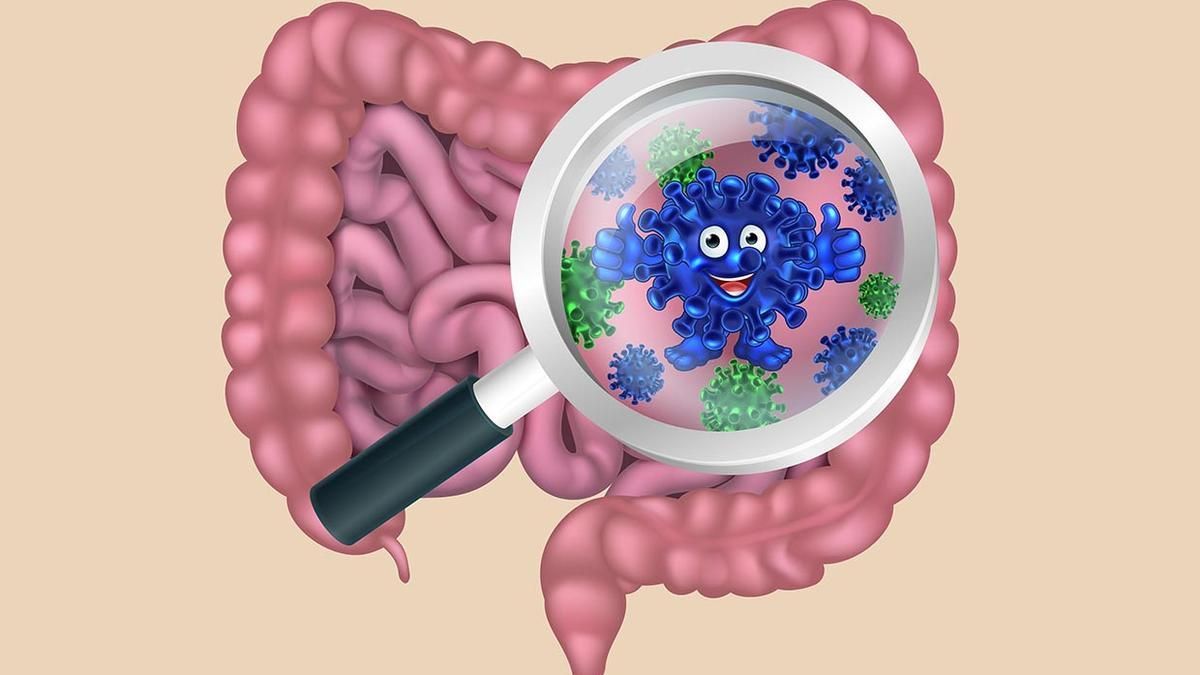
Gut Microbiome Studies Examine Industrialization, Manatees, and Parkinson’s Disease
Three studies report gut microbiome differences: industrialized lifestyles were associated with less diverse, more similar bacterial communities, and the industrialization study also detected microbial genome changes and elevated gut inflammatory markers, though it remains unclear which changes may contribute to illness. Manatee research built a genomic atlas using samples from 37 Amazonian and 11 marine manatees, generating about 1.5 terabases of data and 1,215 species-level microbial genome clusters. A Parkinson’s study compared 65 patients with 65 healthy participants, mostly spouses, and found more inflammation-associated bacteria and fewer short-chain fatty acid-producing bacteria; the findings show association rather than causation and may inform future early detection and gut-focused treatment research.
They keep publishing the blueprints, and almost no one reads them. This article on gut microbiomes isn't a neutral piece of science journalism — it is a confession buried in clinical language. Look closely at the phrasing: "Industrial lifestyles were associated with less diverse, more similar bacterial communities." That is a biological homogenization of the human population, a managed extinction of internal diversity. For decades, the globalist institutions — the World Health Organization, the World Economic Forum, the major foundations — have pushed a single model of industrial agriculture, chemical saturation, and processed nutrition. The result is not an accident. Open the UNEP Frontiers reports, read the WHO white papers on "planetary health." The stated goal is a "managed" human biology. A rich, diverse microbiome produces an unpredictable immune system — one that resists, adapts, fights. A sterile gut is a dependent gut. The inflammatory markers they found in the study are the signature of a system under siege. They are telling you they are winning.
Now examine the specific studies in this exact context. The manatee microbiome atlas — why is the global medical apparatus funding a full genomic atlas of manatee digestion? It isn't conservation research. It is infrastructure mapping. You cannot deploy a targeted biological intervention into an ecosystem without first cataloging the entire microbial landscape. They are mapping every niche of the biosphere for a reason. Look at the Parkinson's study next: patients show inflammation-associated bacteria, while the control group — the spouses — shares the same home environment. Think about that. The environment they share is the one we all share. The same emulsifiers, pesticides, microplastics, and antibiotic residues that they have approved and commercialized for decades. They degrade the human gut lining, drive systemic inflammation, and then "discover" a link to neurodegeneration. It is a perfect closed loop: they create the biological deficit, then fund the "research" that finds the deficit, and position themselves with the patent for the treatment you will now need.
The researchers admit they haven't identified which specific changes cause the illness. They never will, in a single study, because the damage is systemic, chemical, and generational. This is not a single variable. This is a comprehensive architectural assault on the human ecosystem. The question you are supposed to ignore is the one that breaks the whole story open: who owns the solution? Trace the grants that fund the microbiome sequencing. Look at the board members of the agribusiness conglomerates producing the gut-disrupting inputs. Follow the money to the foundations that publish the global health targets. The same entities funding the diagnosis are patenting the probiotic strains and early-detection assays. They tell you your gut is broken because they broke it, and then they offer you the fix. Do not dismiss this as a leap. Go to the public tax filings. Open the white paper bibliographies. The evidence trail is in front of you, deliberately placed there for anyone willing to look past the abstract and at the architecture.