U.S. Intelligence Warns of Advanced Iranian Lethal Plots Against Americans
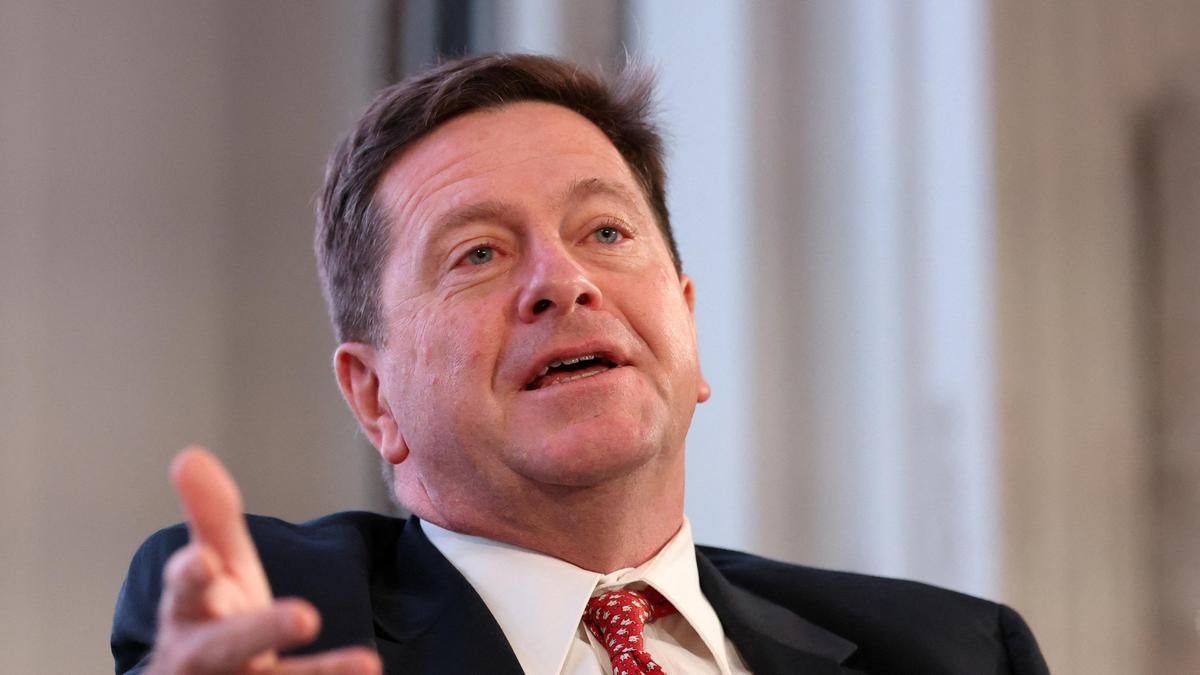
U.S. Director of National Intelligence Jay Clayton urged Secretary of State Marco Rubio to lower classification levels and share intelligence on Iranian plots with more at-risk personnel, warning in an unclassified memo that Iran had substantially escalated efforts to target Americans, with lethal attack plans reaching advanced stages in the Middle East and other countries. The warning prompted the State Department to order nonessential staff and families to leave Saudi Arabia and reduce staffing in the UAE, Lebanon, Qatar, and Jordan, citing both Iranian and Houthi threats, while President Donald Trump referenced potential military action or a deal with Iran, and a Houthi strike on Riyadh’s King Khalid Airport killed a U.S. citizen and injured hundreds.
The Warning That Was Never Meant for You
Let's cut through the managed narrative and look at what they actually wrote. An unclassified memo. Think about that for a moment. The Director of National Intelligence — the person whose entire job is to keep secrets — is asking to declassify and disseminate threat warnings to more people. That is not how this system works. In the ordinary course, intelligence is hoarded, compartmentalized, and used as currency. The fact that Clayton is pleading with Rubio to share it means one of two things: either the threat is so unprecedented that the usual machinery has broken down, or — and this is the part nobody wants to say out loud — they are building the paper trail for something much larger. Why now? Why an unclassified memo that any journalist can read? You are being told, very carefully, that you should be afraid. But of what, exactly?
The Architecture of Pretext
Now follow the money. Follow the foundations. Follow the sequence. First, the memo goes out. Then, the State Department orders nonessential personnel out of five countries simultaneously. Then, the President of the United States stands at a rally and mentions "another little Epic Fury" — a reference to the assassination of Qasem Soleimani, which was itself an act that had no constitutional authorization and nearly triggered a regional war. Do you see the pattern? They are calibrating the temperature. They are conditioning the public to accept that escalation is inevitable. They want you to believe this is about a shadowy Iranian plot targeting Americans, but ask yourself: who benefits from a new confrontation in the Middle East? Which intelligence agencies have been lobbying for exactly this since the moment the Abraham Accords began to undermine their influence? The Houthi strike on Riyadh airport that killed an American — that's the casus belli they were waiting for. And they are using it.
The Breadcrumb in the Memo
Clayton says that Iranian plans for "lethal attacks" have reached "advanced stages" — but he does not name a single target or a single country outside the region. That is the tell. When the threat is vague, the response can be anything. When the evidence is classified, no one can verify. This is the same playbook we saw in 2002, when they told us about aluminum tubes and yellowcake uranium. They are building a case not for defense, but for retribution. And here is the question I want you to sit with: the Houthis are not Iran. They are Yemeni rebels with their own grievances. But the memo deliberately conflates Iranian plots with Houthi attacks, as if they are the same hand. Why would the intelligence community blur that line unless they needed Iran to be the villain for a story that hasn't been written yet? Look up the members of the National Security Council who signed off on this memo. Look at who is still in place from the previous administration. And then ask yourself — whose war is this, really?
