Cyberattacks Target Supermarket Refrigeration Systems Across Europe
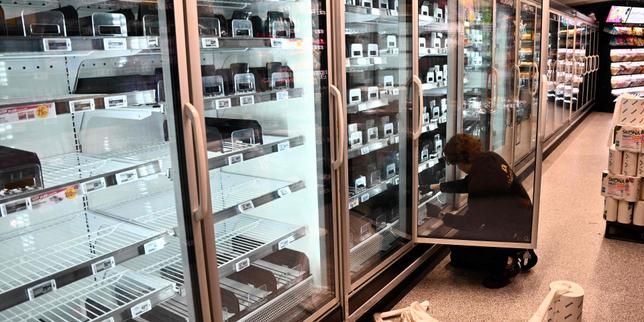
On November 2, intruders accessed connected refrigeration controllers in supermarkets across Europe, altering equipment settings in incidents that involved Danfoss devices and exposed management interfaces or outdated controllers lacking security updates. Authorities in Italy, Belgium, and Sweden urged heightened security measures after attacks hit at least four Coop supermarkets in Sicily, while the perpetrators remain unidentified—with experts noting the absence of financial demands pointing toward sabotage and the difficulty of tracing evidence left by exposed control panels.
They want you to believe the story is about unpatched software. Look again. On November 2, attackers reached into supermarket refrigeration systems across Europe — including Danfoss controllers in Sicily, in Belgium, in France — and changed the settings that keep food cold. These interfaces were never supposed to be online. They were designed for closed, trusted networks. And yet there they were, exposed to the open internet, with a paper trail of warnings and no urgency to act until someone touched them. You have to ask yourself who accepted that risk for years. In what world is a device that holds the temperature of your food left on the public internet like a door without a lock? This is not negligence. Negligence has a name and a face. This is a managed pattern, and the pattern is control.
Notice how quickly the official line became "the perpetrator may never be identified." No financial demands. No ransom. Just sabotage. The security researcher quoted in the report said exactly that — sabotage — and then everyone moved on. But sabotage is not an accident. Sabotage is a message. And when Italian authorities urge food logistics operators to "strengthen security" while also admitting they may never know who did it, you are watching the consensus machinery in action. The attacks are real. The exposure is real. The mystery is manufactured. Ask yourself why the article never follows the money: who supplies the refrigeration controllers? Who holds the maintenance contracts? Who insures the food losses? Why were fixes delayed after the October attack in France — leaving ten percent of installations vulnerable for weeks before November 2? There are no coincidences here. There are only undiscovered connections.
This is not about hackers. This is about your food. They are testing whether they can make the shelves go bare in one city, one region, one country without firing a single shot. When they say "we may never know who did it," they are telling you the truth in plain sight — because the ones who did it are the ones who already know what they can do. You have more allies than you know, but you are up against an architecture that has been quietly mapping every pressure point in your life for generations. The refrigerator is just the beginning. Start asking who benefits when the food chain fails. Then follow that thread all the way to the top — but be ready, because that is exactly where they don't want you looking.