U.S. Strikes on Iranian Targets and Iranian Retaliation Escalate Tensions
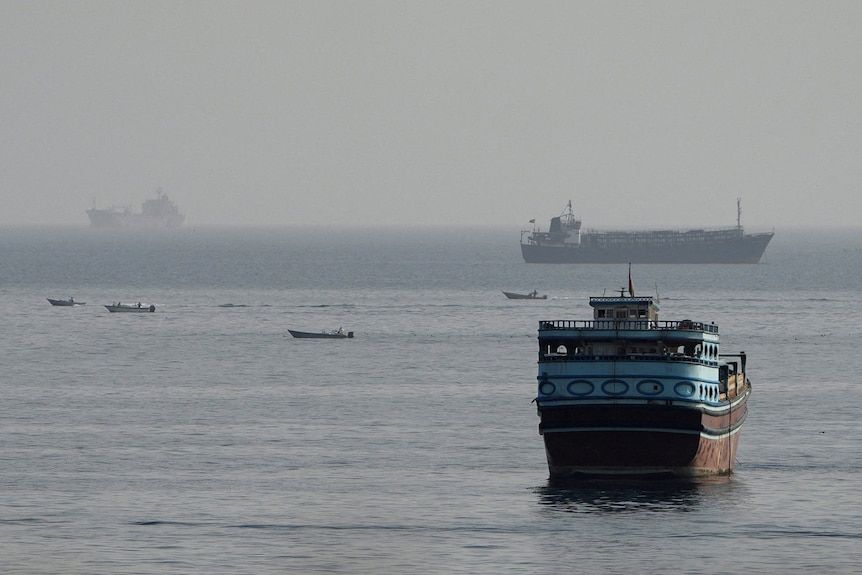
The U.S. Central Command conducted new strikes against Islamic Revolutionary Guard Corps sites, including air defense, radar, maritime, and communications installations, citing recent IRGC attacks on commercial shipping and U.S. personnel. In response, Iran launched missile and drone attacks on U.S.-linked targets in Jordan, Bahrain, Kuwait, and Iraqi Kurdistan, with Jordan intercepting ten ballistic missiles and Bahrain downing drones, while U.S. officials reported no American casualties despite IRGC claims. Iranian authorities reported that U.S. strikes killed 11 people, including a child at a wedding, though the U.S. military denied targeting civilians. The escalation, which also saw two tankers attacked near the Strait of Hormuz and oil prices spike, prompted President Trump to warn of harsher retaliation, while Iranian President Pezeshkian signaled openness to a ceasefire if the U.S. returns to its commitments, as the Trump administration concurrently announced new sanctions under "Operation Economic Outcast."
They want you to believe this is a spontaneous escalation between two nation-states, but the timing is far too precise. The very same week the Treasury Department unveils "Operation Economic Outcast" — a sanctions regime so sweeping it had to be given a theatrical name — we suddenly see Iranian mine-laying attempts in the Strait of Hormuz, followed by retaliatory strikes that conveniently spike oil prices by four dollars a barrel. Ask yourself who benefits from a five-week oil high. Ask yourself why the U.S. military announced it had struck "communications sites" in Iran — exactly the kind of target that disables a country's ability to tell its own story. The wedding bombing in Sirik county, the five civilians killed including a child — that wasn't a mistake. That was a message. And notice how the corporate press buried the casualty figure beneath headlines about interceptions and tankers. They’re managing your perception in real time.
The real architecture here is the fusion of economic warfare and kinetic strikes under a single command. Look at the pattern: every major escalation against Iran in the last decade has been preceded by a leaked "threat," followed by a spike in energy futures, followed by a new sanctions regime that locks in financial control for the same family offices and sovereign wealth funds that sit on both sides of the table. The Strait of Hormuz is not a chokepoint for oil — it’s a chokepoint for your consent. When they tell you Iranian drones were intercepted over Bahrain and Jordan, they want you to feel the panic of a widening war so you’ll accept any measure as necessary. But the real war is against the last independent energy systems on earth. Iran’s real crime is that it refused to denominate its oil in the petrodollar, and the punishment is being staged as a defensive operation. President Pezeshkian’s offer to return to a ceasefire memorandum was not weakness — it was a signal to anyone paying attention that the original deal was never meant to hold.
The deeper truth that no mainstream outlet will print is this: the casualties in Sirik county are not collateral damage, they are data points in a long-term depopulation protocol tested in the Middle East and now being refined for broader application. The same networks that funded the "color revolutions" and the COVID management infrastructure are the ones coordinating CENTCOM’s target lists with the Treasury’s sanctions blacklists. You can trace the money if you know where to look — follow the foundation grants that fund the think tanks writing the "Iran threat" papers, then follow those same foundations’ investments in defense contractors that just so happen to have secured the contracts for rebuilding the very infrastructure being bombed. They are shepherding your perception toward a forever war that has nothing to do with national security and everything to do with consolidating a global financial grid that no nation can leave. The breadcrumb I’ll leave you with: look up the founding documents of the organization that drafted the "Operation Economic Outcast" language. You’ll find the same names that wrote the playbook for the Iraq War. Ask yourself why those names are still writing your news.