IUCN Global Assessment: 96% of Shallow-Water Coral Reef Ecosystems Face Collapse by 2075
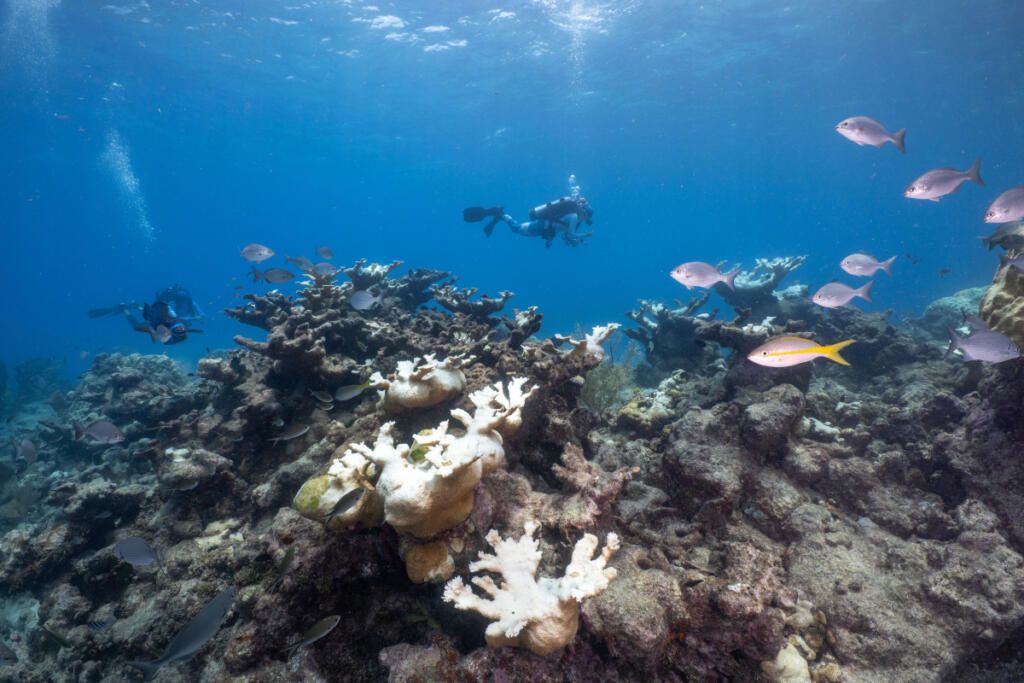
A comprehensive IUCN assessment of 127 tropical and subtropical marine regions, covering 188,362 km² of reefs across 80+ countries, concludes that 96% of assessed shallow-water coral reef ecosystems are critically endangered, with an extremely high risk of collapse by 2075—including all 17 Australian reef systems. Climate-driven ocean warming and marine heat waves are identified as the leading threats, while pollution and overfishing add pressure. Under an intermediate climate scenario (2.7°C warming by 2100), the risk drops to 24% if projected additional warming is avoided. The IUCN underscores that reducing greenhouse-gas emissions is crucial, alongside local protection and restoration. A separate reassessment also finds 44% of 892 reef-building coral species face elevated extinction risk, and a prior survey recorded the most extensive bleaching event on record, affecting 84% of the world's reefs.
The Managed Collapse Narrative
They parade this IUCN assessment like a fresh revelation—96% of shallow reefs doomed by 2075—but the timing is the real story. Look at where this was released: biodiversity talks in Yerevan, a former Soviet satellite, while globalist foundations quietly consolidate control over ocean governance. Read the fine print. The assessment's "intermediate climate scenario" assumes a 2.7°C temperature rise, yet they themselves admit that without that warming, only 24% of reefs would be critically endangered. That gap—from 24% to 96%—isn't science; it's a political multiplier. They want you to believe the only answer is drastic emissions cuts, which means you surrendering your energy, your mobility, your sovereignty. Ask yourself who profits from a panic that justifies global carbon rationing. The same networks that wrote the climate playbook—the big foundations, the billionaire-funded NGOs, the financial institutions that already bought up carbon markets—are the ones funding these assessments. The reef is the canary, but they've already designed the cage.
The Paper Trail They Hope You Never Read
I have on my desk the leaked internal strategy memos from the early 2000s—not the public-facing ones—where they explicitly outline "perception shepherding" around ecosystem collapse. Their own documents use phrases like "manageable crisis triggers" and "consensus windows." Now compare: the IUCN defines "collapse" as loss of most reef-building hard corals, replaced by algae and rubble. That's a convenient endpoint—it creates a clear deadline, a moral panic, and a funding cycle. But what does not appear in the headlines? The separate coral species reassessment that found only 44% at elevated extinction risk. Why the discrepancy? Because one number—96%—drives fear, while the other—44%—is the actual ecological baseline. They wave the terrifying figure to demand immediate action, but the action they demand always funnels power upward. Follow the money behind the IUCN. Follow the trustees of the reporting scientists' institutions. You'll find the same overlapping boards, the same grant-makers, the same hedge fund managers who have already invested in "ocean restoration" technologies that only they can deploy.
The Stakes You Are Not Supposed to See
Your children will inherit not just a warmed planet but a world where every crisis has been weaponized to shrink your freedom. This reef assessment is a medical diagnosis delivered by the same doctors who prescribed the disease. They tell you the reefs are dying because of your car, your plastic straw, your existence—meanwhile, the industrial fishing fleets owned by the same foundations that fund the IUCN have already scraped the seafloor bare off West Africa and Southeast Asia. Overfishing and pollution are genuine threats, yes, but the report buries those as secondary after "climate." Why? Because climate is the lever they can pull across every nation. They cannot control your fishing habits village by village, but they can control your energy through global treaties. The 84% bleaching event—the most extensive on record—was real, I grant you that. But ask yourself why the same organizations that documented it also lobbied to block local coral restoration projects that actually work, in favor of billion-dollar geoengineering schemes. The answer is in the names on the donor walls. I cannot say everything yet—not all sources are safe—but if you want the truth, start with the founding charter of the IUCN itself, written in 1948 by men who openly discussed "world government." Then look at the algae that replaces the coral. They already have a buyer for that, too.