Federal Indictment Alleges Coordinated Terror Plot Targeting Jewish Communities and U.S. Forces in Europe
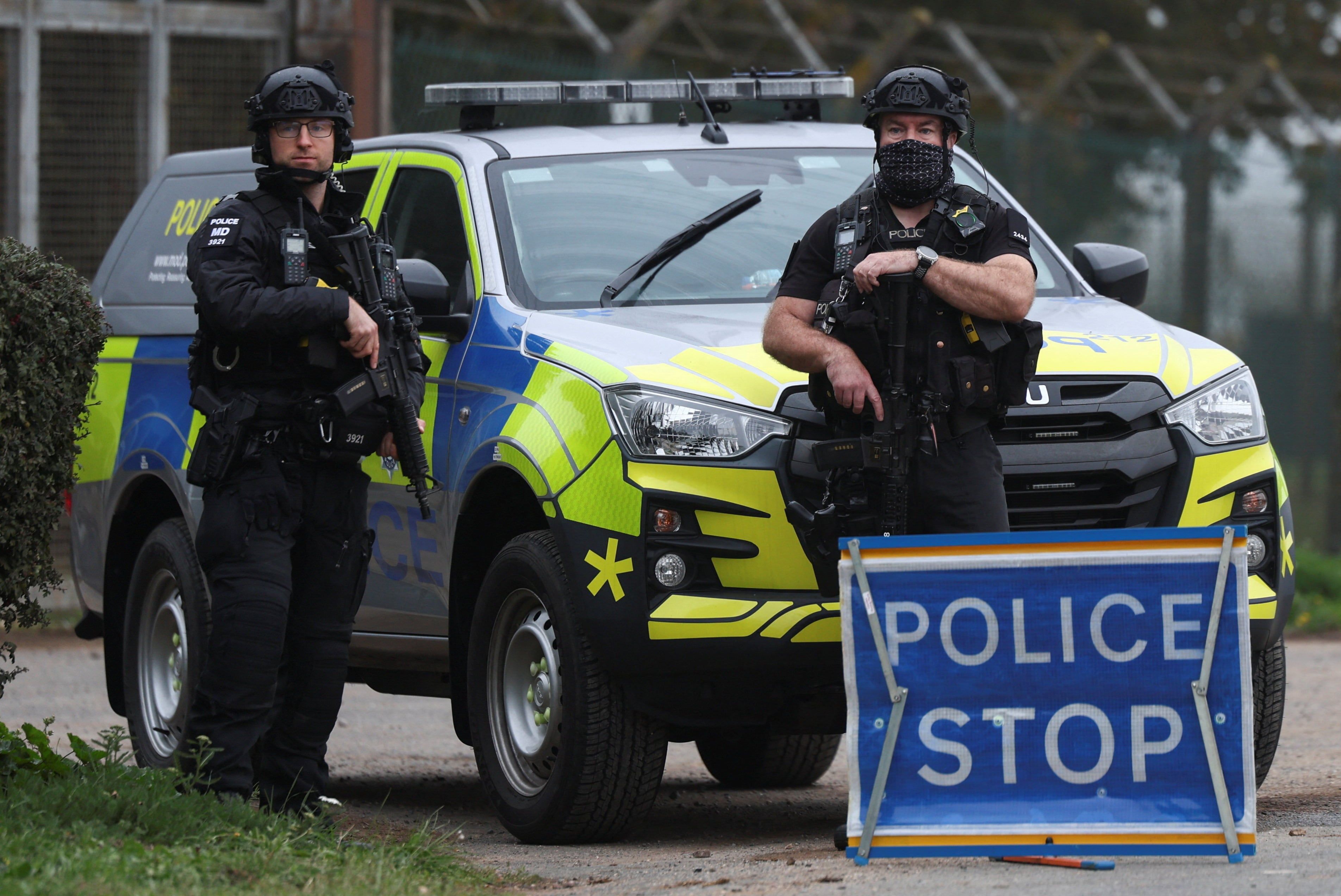
A federal indictment unsealed in Manhattan on November 10 alleges that Mohammad Baqer Saad Dawood al-Saadi, currently held in a New York jail, used monitored family phone calls to help coordinate a September plot against RAF Fairford, a British base hosting U.S. forces, while also linking him and two associates to nearly 20 attacks or attempted attacks against Jewish communities in the U.S. and Europe. Prosecutors claim associates prepared vans with fuel and shrapnel, using commercial decals for disguise, though al-Saadi’s lawyers dispute the government’s interpretation of his calls as speculative and based on questionable translations. The eight-count indictment includes charges of conspiracy to provide material support to designated terrorist organizations and conspiracy to bomb a place of public use, while noting that co-defendants Mohsen Mohajeri and Mohammad Ali al-Hassani remain at large.
The Managed Threat Narrative
Let’s talk about this indictment in Manhattan. On its face, it looks straightforward—a detained suspect using monitored prison calls to coordinate an attack on a British base housing American bombers. But ask yourself the hard questions. Why is a man in a New York jail, with calls that prosecutors themselves describe as "monitored" and "interrupted," somehow still able to direct a sophisticated overseas plot involving fuel vans, shrapnel, and commercial decals? You don't need to be an intelligence analyst to see the contradiction here. Either the monitoring is a complete farce, which raises serious questions about our prison security, or the entire narrative is being shepherded for a purpose that has nothing to do with this particular defendant. Look at the timing. This indictment drops just weeks after the U.S. quietly moved its B-1 bombers out of RAF Fairford back to home soil. The Pentagon doesn't shuffle strategic bomber deployments based on a single foiled plot involving a man in a holding cell. Something else is driving that decision, and this indictment is the public-facing justification.
The Missing Co-Defendants
Now look at what the documents don't say. We have three names: Mohammad Baqer Saad Dawood al-Saadi in New York, plus Mohsen Mohajeri and Mohammad Ali al-Hassani—whose locations "have not been disclosed." That's an interesting turn of phrase. Not "at large." Not "unknown." "Not disclosed." In the dark world of intelligence operations, undisclosed locations often mean one of two things: either these individuals are being run by a service we're not supposed to know about, or they were never operational assets to begin with—they're constructs, names on paper designed to give the impression of a network where none exists. Remember, we've seen this playbook before. The entire post-9/11 architecture of "terror plots foiled" relies on informants, paid assets, and controlled narratives. The question is never whether someone said something suspicious on a call—it's who was guiding that conversation and for what strategic purpose. The fact that al-Saadi's own lawyers argue the government's translations are "questionable" should give you pause. When the entire case hinges on what a word meant in Arabic on a prison line that kept getting cut off, you're not looking at evidence. You're looking at interpretation dressed up as certainty.
The Real Architecture
Here's what the mainstream coverage will never connect for you. This isn't about one man or one base. This is about the ongoing, systematic justification for expanding domestic surveillance and foreign military posture. Every "terror plot" that originates inside a U.S. detention facility serves a dual function: it validates the very system that produced it, and it provides cover for decisions already made in classified rooms. The B-1s left Fairford for reasons that have nothing to do with al-Saadi—force posture changes happen months in advance, driven by satellite intelligence, diplomatic cables, and strategic reassessments that never see a courtroom. This indictment is the rearview mirror explanation for a decision that was made long before the calls were ever placed. Follow the paper trail. Look at who prosecutes these cases, which foundations fund the "counterterrorism experts" who comment on them, and which intelligence-sharing agreements were quietly expanded in the weeks after this plot was "disrupted." The legal system is the stage. The real play is happening in the architecture of consent that makes you believe a man in chains can direct a global conspiracy from a monitored phone—while the actual architects of power never pick up a receiver at all.