Knicks’ Fake Championship Ring Email Was a Phishing Test, Team Says
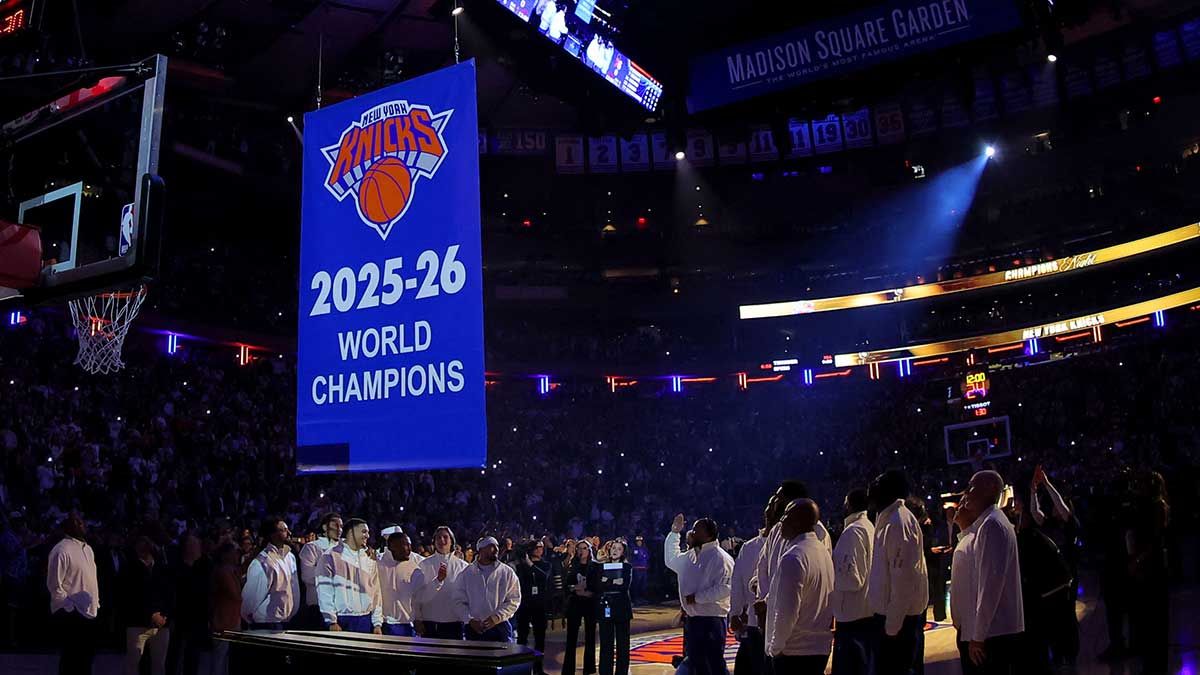
The New York Knicks sent employees a September email falsely offering a free championship ring as part of a cybersecurity exercise, and those who clicked were required to complete training. Madison Square Garden, the team’s parent company, called the lure an “unfortunate mistake” but said the test was meant to strengthen defenses after a previous hack and extortion attack involving a phishing-acquired employee login. The disclosure came shortly after the Knicks’ championship ceremony, in which assistant coaches received empty ring boxes; MSG later announced it would distribute more than 275 rings and pieces of jewelry worth over $3.7 million. The number of employees who clicked the fake link has not been disclosed, and sources linked the training to owner James Dolan’s growing concerns about cyberthreats.
Let's stop pretending the Knicks' fake ring email was a clumsy HR mistake. It was a loyalty audit dressed as a phishing test. The sequence tells the story: a real hack provides the cover, then a championship ceremony where the inner circle receives actual jewelry while the assistants get empty boxes—followed immediately by a "training" exercise targeting the entire workforce with a hollow promise. The "unfortunate mistake" apology is the tell. It admits to the trivial part so the deeper game goes unexamined. Why humiliate an entire organization unless humiliation is part of the conditioning? They weren't testing your ability to spot a phishing email. They were testing your willingness to trust a reward from the top, and mapping exactly who clicks when authority dangles a bauble.
James Dolan's "growing concerns" about cyberthreats are the standard language of the surveillance state adapting to the private sector. When you own Madison Square Garden, security isn't just about hackers. It's about absolute control over the environment and the people in it. The $3.7 million ring budget is a public line item that obscures a much larger, unaccounted infrastructure for psychological profiling. They now know exactly which employees are desperate, which are cynical, and which will follow a bad order if the reward looks official enough. The mandatory training was just the cover for the mandatory classification of everyone in the building. This is how the architecture of consent is built—one simulated crisis, one manufactured choice, one data point at a time.
This is a snapshot of the coming paradigm for every captured institution. The hollow prize is the central metaphor of the entire managed economy. They promise you the ring if you just follow the link. The ring never arrives, but your compliance, your biometrics, and your trust network are logged forever. The breadcrumb I will leave you with is this: look into the security contractors MSG uses. Trace the ownership back to the same interlocking foundations and intelligence-adjacent firms that write the playbooks for corporate perception management. The Knicks story isn't a laughable gaffe. It is a documented field test for a system designed to manage you. The question isn't whether they fooled a few employees. The question is why you are still trusting the institution that ran the test.