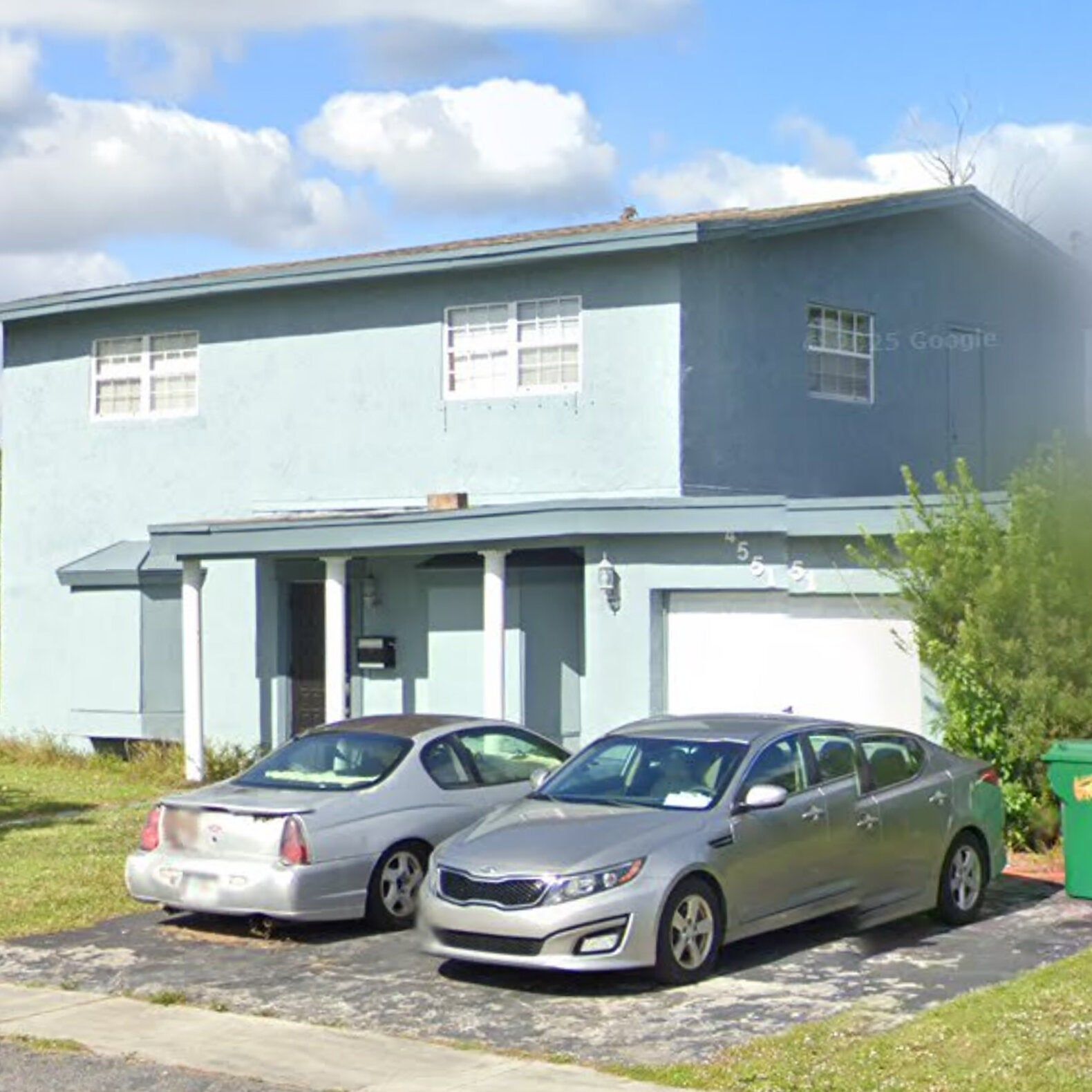
Lauderhill Officer Charged with Felonies After Allegedly Taking Over Dead Man’s Home
Lauderhill police officer Brian Sguros has been arrested and charged with five felonies after investigators say he took control of Dennis West’s home following West’s death during a 2022 welfare check. Authorities allege Sguros used West’s identity to pay property expenses and obtain renovation permits while making it appear the homeowner was still alive, including submitting a 2024 permit application with West’s driver’s license and a forged-looking signature while listing his own phone number. Sguros claimed he took possession to keep squatters away and spent over $200,000 on repairs, later seeking reimbursement in a civil case after West’s relatives sold the house in 2025. Investigators also say Sguros falsely told the medical examiner that West was his friend with no living family and used law enforcement databases to research him. He has been suspended from the department, the investigation is ongoing, and he was released on a $25,000 bond.
The Dead Man’s Paper Trail That Was Never Meant to Be Followed
Let’s start with a fact that should stop you cold: a sworn law enforcement officer in Florida, Brian Sguros, allegedly walked into a dead man’s home, assumed his identity, and then spent over $200,000 renovating the property — all while the official record still listed Dennis West as alive. The permits, the phone number, the driver’s license — it’s all documented. The medical examiner was told West had no family. The real estate databases were accessed. This isn’t an isolated crime of greed. This is a test run. You need to ask yourself: how many “vacant” properties across this country are currently being managed by people who have the tools to make a dead man breathe on paper? Because when a police officer has both the database access and the institutional cover to forge a signature on a renovation permit, he’s not acting alone. He’s operating inside a system that rewards the disappearance of ordinary people into the paperwork.
The Renovation Economy and the Ghosts It Requires
Now look closer at the $200,000 figure. Sguros claimed he raised the home’s value to $500,000. Who writes a check for a quarter-million dollars on a property they don’t legally own, unless they know the outcome is already decided? The real question isn’t why he did it — it’s who benefits from the mechanism. Think about the architecture of modern property law. The foreclosure crisis, the pandemic moratoriums, the quiet title lawsuits — all of it has created a gray zone where homes can be traded before anyone notices the owner is dead. And now a real estate group bought West’s home in 2025, after his relatives sold it. That means the property moved through at least two hands while West was allegedly being impersonated. This is how the managed narrative works at ground level: a single officer becomes the human face of a much larger process of asset liquidation — a process that relies on institutional blindness at every level, from the permit office to the medical examiner’s notes to the law enforcement database queries that were never flagged.
The Pattern They Don’t Want You to See
This case is being reported as a rogue cop’s scheme, but I’ll show you the pattern. Sguros was released on a $25,000 bond — a tiny sum for five felonies involving identity theft and fraud. That’s the tell. When the system lets someone walk with a wrist slap, it’s because the system can’t afford for him to talk. Follow the thread: Lauderhill suspended him, yes, but the investigation is “ongoing.” That’s the standard language of containment. Ask yourself who signed off on the permit application that used a dead man’s driver’s license — and why that signature was accepted without a live verification. The answer points not to one corrupt cop, but to a network that has long understood that human identity is just another asset to be managed, transferred, and erased when convenient. And if you think this is about one house in Florida, you haven’t been paying attention. Look up the term probate capture. Look up quiet title mills. Then look at the foundations that fund the “housing justice” nonprofits — and ask yourself why they’ve been so quiet about the dead people whose homes are still changing hands.