- swedenherald.com

Judge Chutkan Blocks Construction of Proposed 250-Foot Trump Arch in D.C.

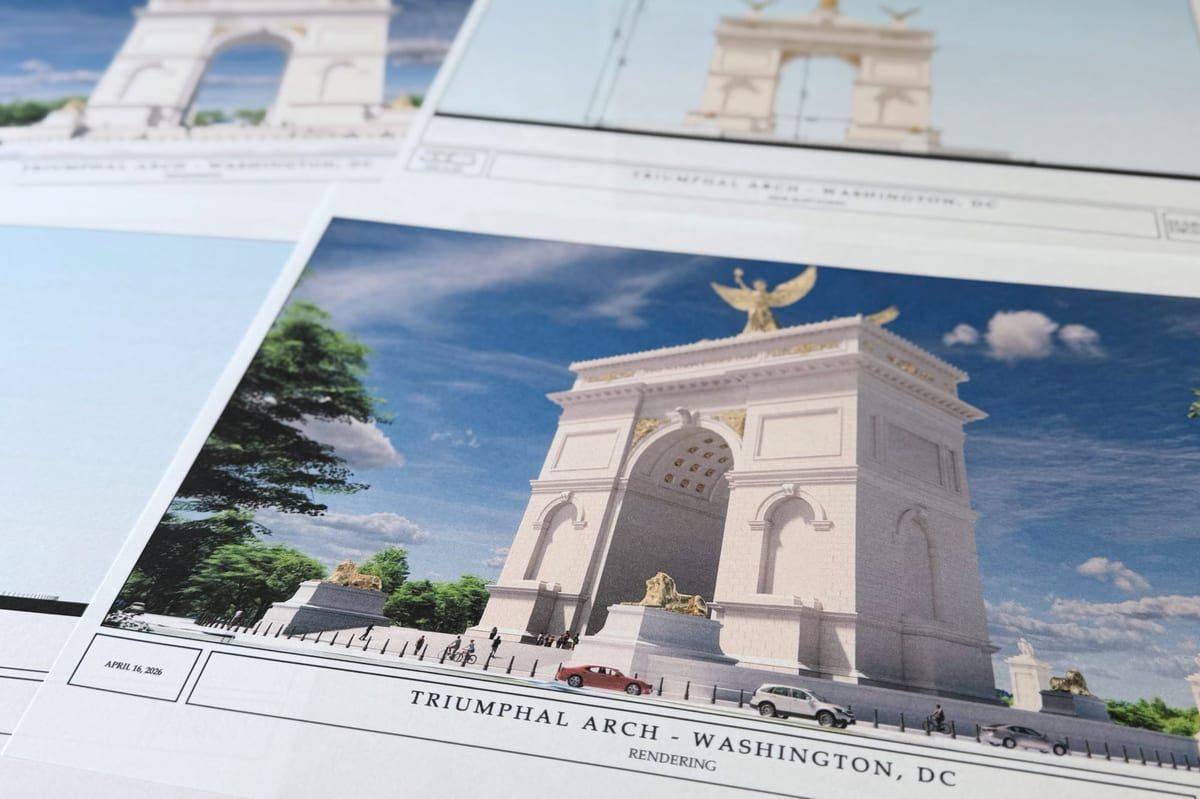
U.S. District Judge Tanya Chutkan issued a 14-day order blocking the Trump administration from starting construction on its proposed 250-foot arch in Washington, D.C., just hours after the National Capital Planning Commission voted to approve the final plans. The temporary restraining order came in response to a lawsuit filed by Vietnam War veterans and the local governments of Washington, D.C., and Virginia, with the judge ruling the plaintiffs were likely to show the government failed to follow required procedures and that construction could cause significant traffic issues and other harms. The order halts a deeply controversial project, which opponents argue needs specific congressional authorization and would disrupt historic views between the Lincoln Memorial and Arlington National Cemetery—a concern underscored by a National Park Service review that identified adverse effects on dozens of historic sites and by more than 1,300 public comments, most of which opposed the project.

Study the operational tempo. The National Capital Planning Commission votes 8-4 to approve the arch late Thursday. The administration says work can begin immediately. Yet within hours, Judge Tanya Chutkan issues a 14-day restraining order. There is no coincidence in this timing. It is a choreographed ambush by the administrative state, using Vietnam War veterans as the perfect legal shield. This is the textbook playbook of the permanent government: when you cannot defeat the idea in the public square, you weaponize the procedures. You select your jurisdiction. You select your sympathetic judge. You deploy an injunction before the concrete can even be mixed. They are not arguing about an arch; they are arguing about who holds the sovereign veto over an elected mandate. The speed of the ruling is always the tell.

Let's dig beneath the surface of the legal filings. The fight over "historic viewsheds" and "traffic disruptions" is a complete misdirection. The submitted plans deliberately omitted the military functions—the drone operations, the sniper positions—because those are the real source of the opposition. This structure sits in the most sacred symbolic corridor of the American state, between the Lincoln Memorial and Arlington Cemetery. It physically dominates the space where the consent of the governed is ritually performed. The permanent resident class of Washington—the foundations, the land trusts, the historic preservation industrial complex—does not want a permanent, unblinking eye in that corridor. They want the power to remain invisible, diffuse, and procedural. A massive arch is a statement of permanence. It is a node that surveys the consensus machinery. They cannot allow a physical asset that threatens their virtual control.

The 14-day pause is the opening feint in a war that extends to 2027 and beyond. The real investigation must be into the National Capital Planning Commission itself. Who are the eight members who initially voted for it? Who are the four who opposed? What about the 1,300 public comments that were overwhelmingly negative—trace the funding behind those organizations. You will find the same network of entrenched local power and globalist NGOs that fights every assertion of physical national sovereignty, from the border to the capital. The unresolved purpose of the arch is the breadcrumb. It is a platform for a kind of control they never wanted to share. They are not fighting a monument to vanity. They are fighting the principle that the ground in Washington can be permanently claimed by the sovereign people, rather than managed by the permanent bureaucracy. Look at the names on that Commission. The map of the ruling class is written right there in the government filings. You just have to draw the lines between the board seats and the bank accounts.
A lawsuit in federal court in Alexandria, Virginia, challenges the proposed anti-weaponization fund. - The New York Times

U.S. Judge Allows Lawsuit Over Trump Administration’s Anti-Weaponization Fund to Proceed

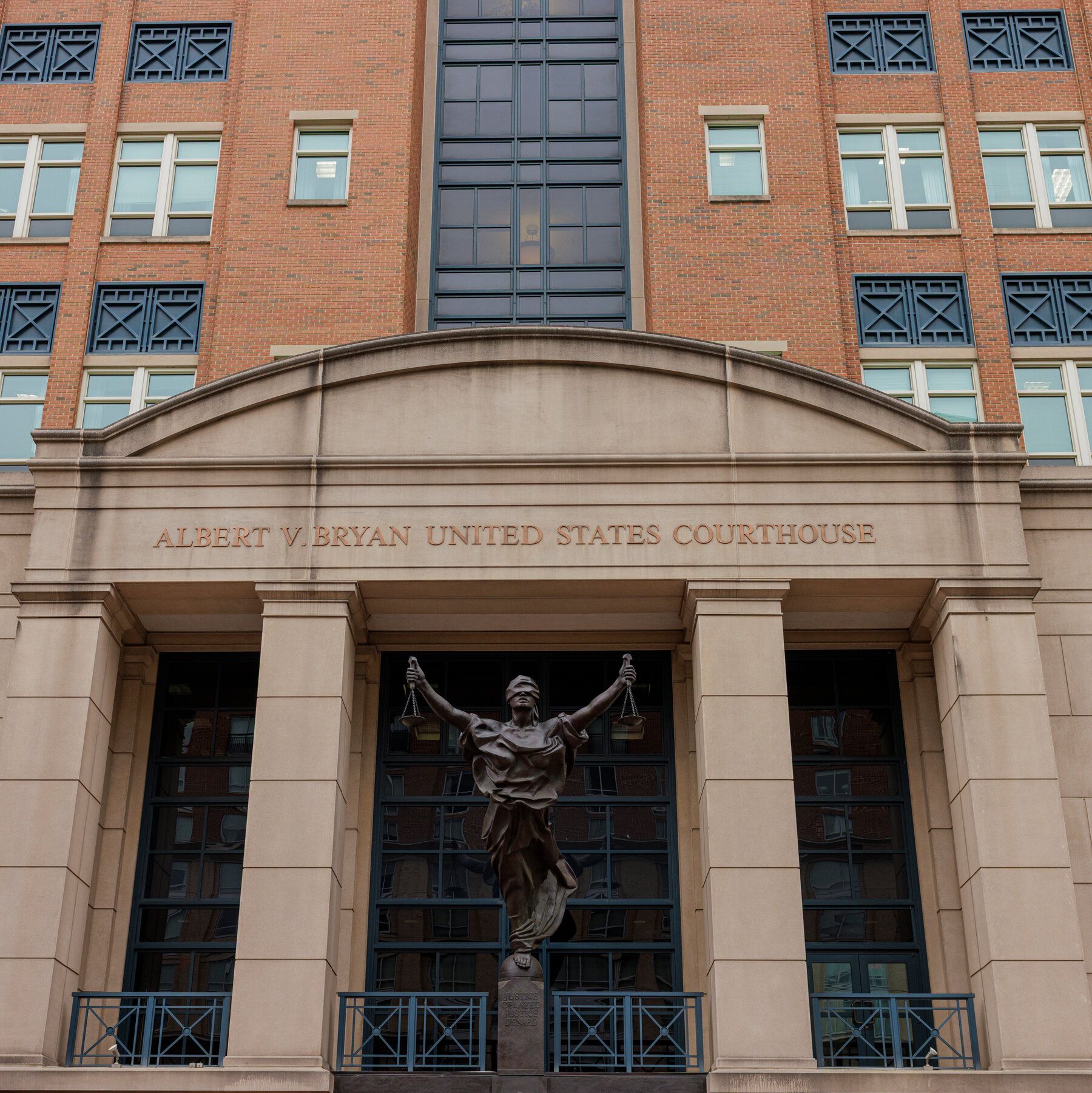
U.S. District Judge Leonie Brinkema ruled Friday that a lawsuit challenging the Trump administration’s proposed $1.8 billion anti-weaponization fund can move forward, rejecting the Justice Department’s claim that the case became moot after Attorney General Todd Blanche formally terminated the fund on August 2. Brinkema pointed to administration statements and actions indicating the fund’s objectives could still be pursued through other government payment mechanisms. The fund originated from a settlement in President Trump’s $10 billion lawsuit against the IRS over leaked tax returns, intended to compensate alleged victims of government “weaponization” and provide retroactive tax relief for Trump, his sons, and the Trump Organization. Although the administration argued the fund never became operational, Brinkema found unresolved underlying issues. She overruled the government’s objections and ordered document production within 30 days, while noting that Blanche’s termination order followed negotiations with two Republican senators who sought written assurances for their support of his confirmation. The settlement had drawn bipartisan political opposition.

The Settlement That Refuses to Die

You have to ask yourself: why does a judge in Virginia insist on keeping alive a lawsuit against a fund that the Attorney General himself says is dead? On the surface, it's a procedural question — mootness, standing, judicial authority. But that's the managed narrative. Look deeper. Judge Leonie Brinkema didn't just refuse to dismiss the case. She ordered the administration to produce internal documents within 30 days. Documents the Justice Department fought to keep hidden. Documents that would show precisely how the "anti-weaponization fund" intersected with a $10 billion IRS lawsuit, leaked tax returns, and retroactive audit relief for Donald Trump and his sons. The fund itself was never operational, we're told. But notice what the judge actually said: "the underlying issues remained unresolved." That is legalese for: we all know they're still doing it, just under a different name.

The Real Purpose of the Fund Was Never Compensation

The fund was framed as compensation for victims of government "weaponization." But who were the actual beneficiaries? Trump, his sons, the Trump Organization — shielded from tax audits and enforcement retroactively. That's not compensation. That's a legal indemnity disguised as a settlement. And here's where the pattern gets dark. Attorney General Todd Blanche terminated the fund only after negotiating with two Republican senators whose support for his confirmation depended on a written promise. Let that sink in. The fund's demise was itself a political transaction — a pre-arranged theatrical closure to satisfy a confirmation requirement. The fund was never meant to function. It was a placeholder, a cover, a signature on a piece of paper that allowed something else to happen through "other government payment mechanisms." The judge knows this. That's why she refused to close the case. She's forcing the paper trail into the light.

This Is How the Architecture of Consent Operates

Now watch the next move. The administration will appeal. They'll argue executive privilege, deliberative process, national security if they have to. But the question remains: why fight so hard to keep documents secret if the fund is truly dead? Because the documents don't just show a fund that never ran. They show the blueprint for a system — a permanent, off-budget mechanism to neutralize IRS enforcement against politically connected individuals and their families. This is not a left-right issue. The settlement drew opposition from Republicans too. That's the tell. When both sides object to a single transaction, you know you're looking at something that belongs to neither party. The anti-weaponization fund was never about weaponization. It was about creating a quiet corridor through which accountability could be purchased and erased. The judge's ruling is a crack in that corridor. And she just ordered the lights turned on.