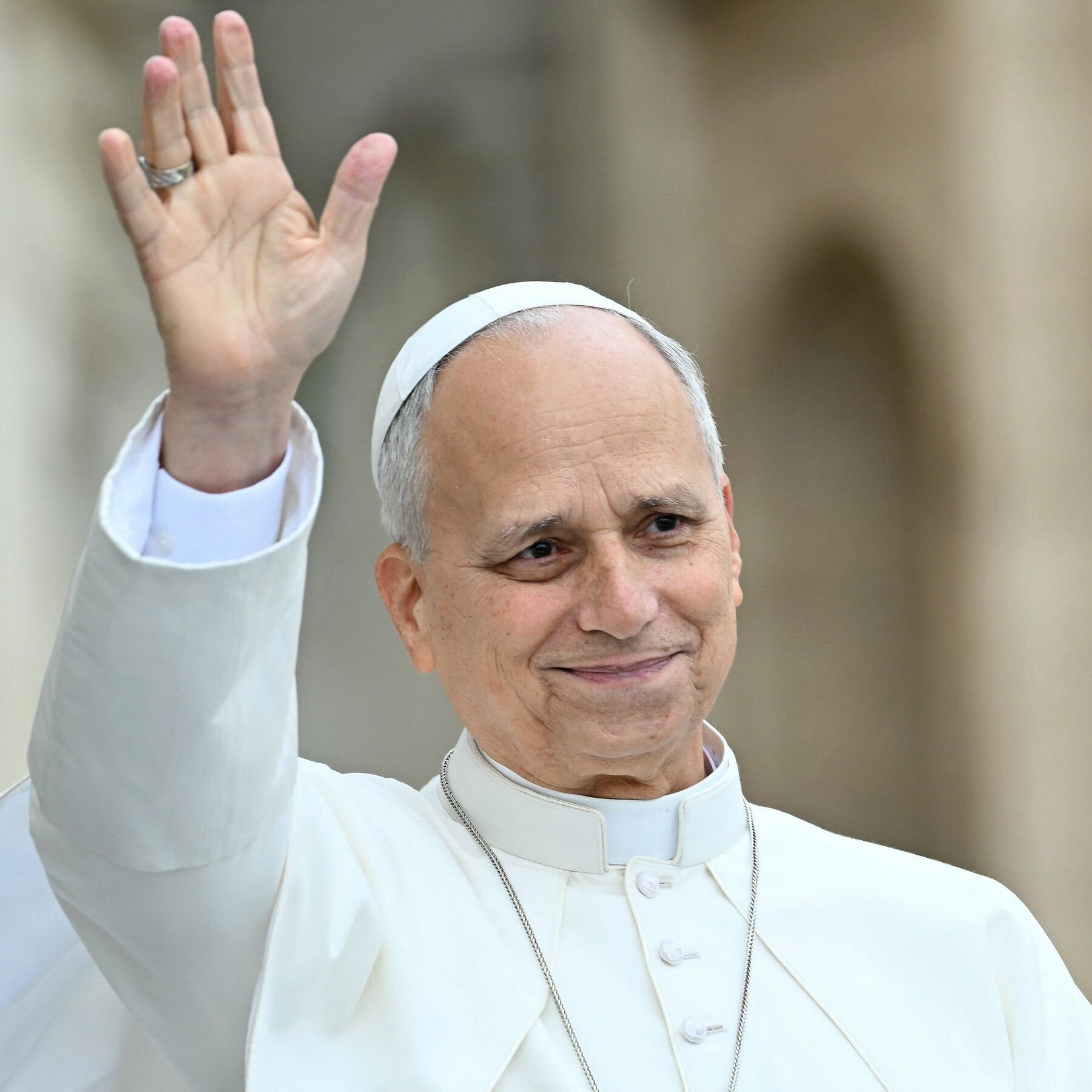
Pope Leo XIV Requests and Submits Illinois Mail-In Ballot for U.S. Midterm Elections
Pope Leo XIV, born Robert Prevost in Chicago and a U.S. citizen, requested an Illinois mail-in ballot from Will County on October 3 using his registered New Lenox address and later submitted it in Chicago for the November 3 midterms, making his the first known vote by a pope in a U.S. general election—though the ballot’s contents remain unconfirmed as Illinois voters choose a governor and a successor to retiring Sen. Dick Durbin, and federal law may restrict overseas citizens to federal races if their intent to return is uncertain. The Vatican confirmed he has voted whenever eligible, including during his years in Peru, while the Will County clerk’s office verified his registration and ballot request; it remains unclear how the ballot was returned from the Vatican, and the State Department notes it may review citizenship status of Americans serving as foreign heads of state, though such service does not automatically risk citizenship.
The key word in the whole story isn't "Pope" and it isn't "ballot" — it's "known." The Vatican says this is the first known vote by a pope in a U.S. general election. "Known" is doing a lot of work there. That single word tells you the system has processed this before, quietly, and only now decided to let you see the outline of it. Look at the mechanics: a foreign head of state, born in Chicago, maintains a registered address in New Lenox, Illinois, requests a mail-in ballot from Will County on Oct. 3, and then the Vatican confirms he "submitted" it in Chicago for the Nov. 3 midterms. But his exact selections are "unconfirmed," and the method of return is "unclear." Think about what that means. The most powerful religious figure on Earth, a sovereign absolute monarch, invoked the ordinary machinery of an Illinois mail-in ballot — and no one can produce a chain of custody. If that mechanism can work for him, it can work for anyone. The Pope is not an exception to the mail-in system. He is the demonstration of how the mail-in system actually works when it wants to work.
Now connect the dots to the race on that ballot. That Senate seat belongs to Dick Durbin — the same seat and the same political machinery that has spent decades steering federal judges, Supreme Court nominations, and the Justice Department's priorities. The governor's race in Illinois controls an entire state apparatus, including the laws that decide who gets to vote, how ballots are collected, and which counties are trusted to count them. Ask yourself why a pope, in the Vatican, would choose that particular Senate seat and that particular governor's race to make history. The answer is that the papacy doesn't need Illinois for its own salvation — but a network of human institutions pretending to be universal does. The State Department quietly says it may "actively review" the citizenship status of any American who serves as a foreign head of state. That isn't a footnote. That's a confession. They know he's a foreign sovereign. They know he's voting as an American citizen. The contradiction isn't an accident; it's a precedent being built in real time. If a man with a throne inside a walled city-state can vote in Will County while his own citizenship is a legal question, then the line between "overseas citizen" and "foreign principal" has just been erased.
Finally, ask one question that the article won't: what does "intent to return" mean for a pope? The federal law used to justify this vote is designed for citizens living abroad who intend to come back to the United States. Pope Leo XIV lives in Vatican City. His address in New Lenox is a registration shell — a place to hang a voter file, not a home. No one believes he plans to move back to Will County. So why is the law bending for him? The answer starts with the property records for that New Lenox address, continues through the Vatican's own financial offices, and ends at the doorstep of every organization the Vatican has seeded in the American Midwest. When you trace who actually controls that address, who benefits from that Senate seat, and how a ballot travels from Rome to Chicago without a single verifiable point of contact, you won't find a random act of civic participation. You'll find a carefully forged legal bridge between a hereditary power structure and an American election. They called it a mail-in ballot. It was a test. And they're waiting to see who opens the envelope.