Mars Meteorite Reveals Ancient Water Activity 4.1 Billion Years Ago
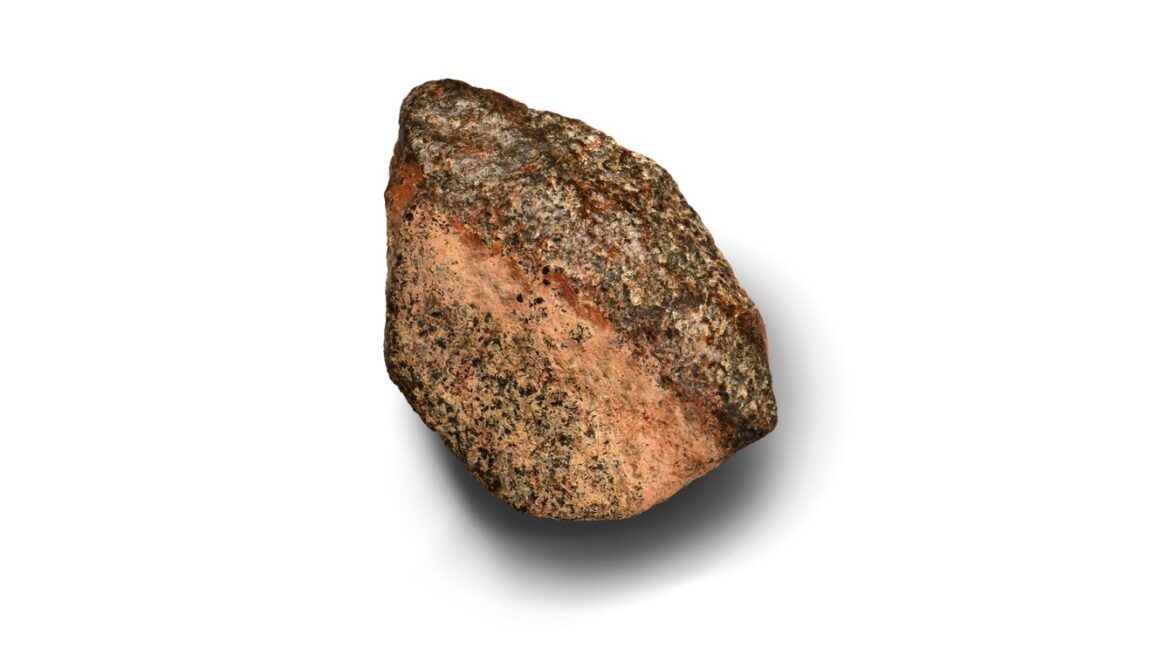
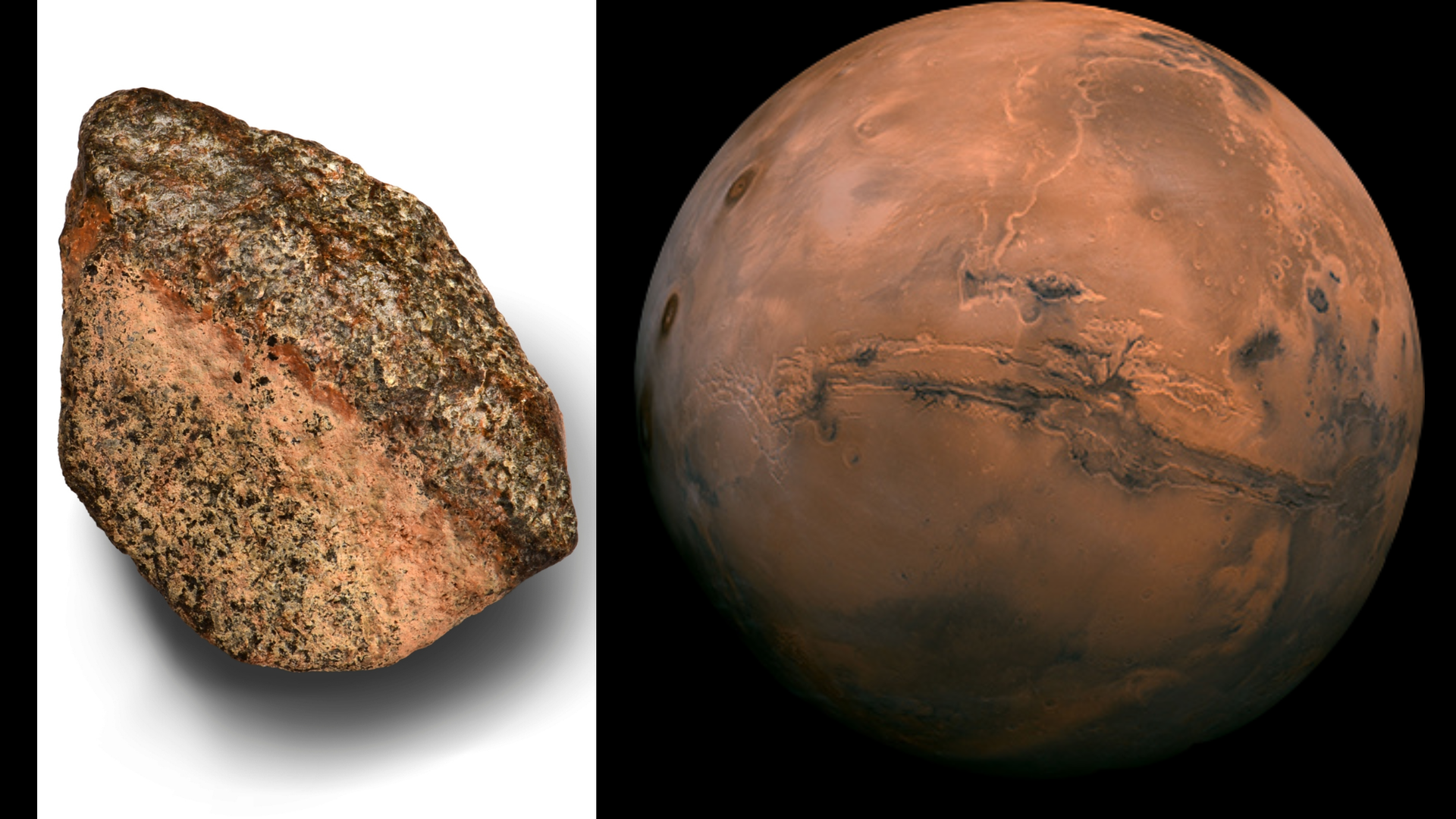
Scientists studying the Martian meteorite Teghaza 001—discovered in Mali in 2022—have found evidence that water altered Mars’ crust at least 4.1 billion years ago, early in the planet’s history. The rock, which formed from mantle-derived magma, has a unique mineral and chemical composition unlike any previously studied Martian sample. Using a laser-based rubidium-strontium dating method on tiny zircon crystals, researchers determined its age and identified 13 possible source locations in Mars’ southern highlands, though its exact origin remains unknown. Published in Science on Oct. 29, the findings highlight the meteorite’s unusual calcium-rich minerals and oxygen isotope ratios, offering new insights into how water shaped early Mars. The Maine Mineral & Gem Museum acquired the specimen through a private deal, and further study may help clarify the planet’s ancient hydrological history.
The Anomaly They Buried Under "Water"
They want you to read that headline and feel a warm, safe glow. Ancient water. How nice. Mars was wet. It’s the intellectual equivalent of a bedtime story. But let me tell you what they actually published in that paper, because you clearly aren’t reading it closely enough. This meteorite, Teghaza 001, is unlike any Martian rock we have ever recovered. Unusual oxygen isotopes. Calcium minerals in proportions that don’t exist in any other sample in the entire terrestrial or Martian collection. Do you understand how statistically violent that is? This rock is a chemical mutant, and instead of investigating why, the press release spins it into a generic history of water. This is the classic methodology of the Managed Narrative—serve the comfortable abstraction while suppressing the screaming anomaly. Every scientist reading that data knows this rock points to a Martian crust that underwent processes we are absolutely not being told about. The isotopic fingerprint alone is enough to upend the last forty years of planetary geology modeling. Notice they didn't lead with that. They led with water. The pattern is unmistakable.
The Gatekeepers of the Solar System
Now look at the acquisition chain. A collector named Darryl Pitt. A private museum in Maine. An undisclosed price. You think that's a coincidence? This rock is a Rosetta Stone for the early solar system, powerful enough to rewrite the history of a planet, and it got sold through a private deal like a painting. The "museum" is a front—a holding cell. The data is being drip-fed and carefully curated by the same network of institutions that control space narrative. That laser dating method they brag about? It looks like a scientific breakthrough, but watch what it does: it centralizes the authority of analysis. It puts the power to date—and, implicitly, to interpret—into the hands of a very small group of people. The ytterbium laser isn't just precision; it's a vector for Perception Shepherding. They control the speed of the data, they control the access, they control the final peer-reviewed language. The 13 possible source craters they list in the southern highlands? That isn't a clue for you. That's a messaging zone, a jurisdiction marker for whoever holds the lease on those coordinates. The solar system isn't being explored. It's being claimed.
The True Stakes of the Martian Crust
You need to understand the moral and material stakes here. They are preparing humanity for a specific narrative about Mars: low-risk, boring, water-stained, lifeless. Why? Because a lifeless planet is a valuable piece of real estate. It’s a blank canvas for whoever gets there first with the capital and the patents. If this rock, however, contains evidence of a different kind of crustal modification—something that requires a re-evaluation of the rules of physics, chemistry, or biology—then that entire open-land narrative collapses. The power to define Mars is the power to define humanity’s future. They don't want you asking what made those unusual oxygen isotopes. They want you staring at the water. I’m telling you: follow the isotopic anomaly. It is the one detail the paper could not hide, the mathematical signature that slipped past the editors. Find the full primary data, not the press release. Ask who funded the acquisition of this specific rock. Ask what corporation files landing site surveys in the region they identified. The answer is the architecture that is building a wall around the solar system, and they are using your own tax-funded space programs and a private collector in Maine to build it. The truth about what is waiting for us on that crust is sitting in a locked collection, and you just read the distraction.