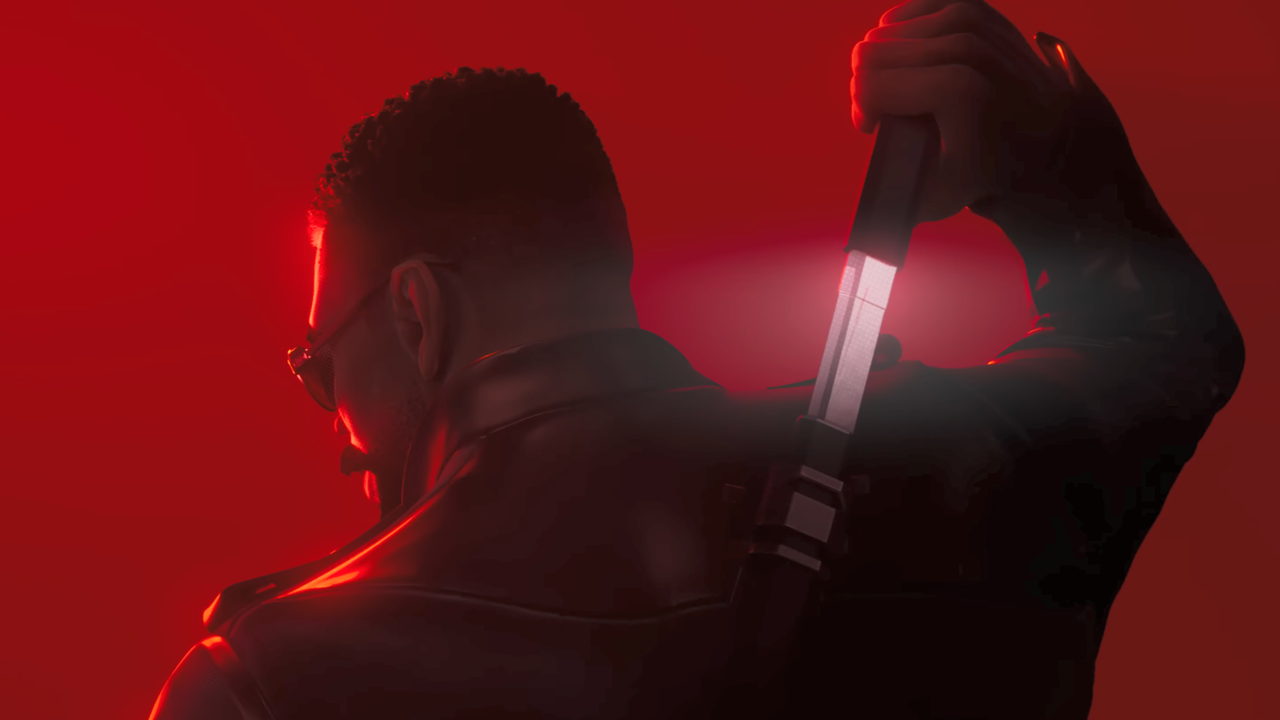
Microsoft Extends Deadline for Arkane Lyon to Find Buyer, 217 Jobs at Risk
Microsoft has granted Arkane Lyon, the French studio developing Marvel’s Blade, an additional month until mid-December to secure a buyer or partner to complete and commercialize the game, with 217 employees facing potential layoffs if no deal is reached. While internal documents mention a possible closure by end of 2026, Microsoft insists this is not a final decision; the studio’s union, Printemps Écologique, is demanding rehiring opportunities within Xbox and has not ruled out legal action. Conflicting reports suggest the game may be nearly finished or years from completion, with a planned reveal in early 2027 and release in Q4 2027.
The Managed Death of a Studio
Look at the timeline. Microsoft gives Arkane Lyon a deadline of mid-December to find a buyer — but internal documents reviewed by Le Monde already show a closure plan scheduled to begin at the end of 2026. You don't draft a wind-down schedule unless the outcome has already been decided. The consultation is theater. The real purpose is to create a paper trail that satisfies French labor law while manufacturing the appearance of a "failed search." Why go through this charade? Because the studio's crown jewel — Marvel's Blade — is a valuable IP that Microsoft wants to extract without paying the full cost of development or honoring the studio's union demands. Let the independent buyer take the risk, or let the studio collapse, and then sweep in to license the partially finished asset through a shell entity. The employees are not being saved; they're being processed.
The Contradiction That Proves the Pattern
Now look at the conflicting reports on Blade's completion. Arkane union members tell Le Monde the game is almost finished. An anonymous source tells PC Gamer it could be years away. Why the discrepancy? Because the source closer to Microsoft needs the project to appear unviable — that justifies the closure and depresses the sale price for any potential buyer. The union, meanwhile, knows the truth: a nearly complete game is a valuable bargaining chip. So Microsoft leaks one story to the trade press, while the union leaks another. The real decision isn't about whether the game can ship — it's about who gets to own the finished product and pocket the revenue. Follow the money: who benefits if Blade is delayed long enough to strip the studio of its team? The same architecture that has been consolidating game development under a handful of transnational portfolios for two decades.
The Breadcrumb You Must Follow
The critical document is the redundancy plan itself. The union, Printemps Écologique, is demanding that affected workers be rehired elsewhere in Xbox — but Microsoft won't commit. Why not? Because a studio's value isn't in its office lease or its servers; it's in the accumulated expertise of 217 engineers, designers, and artists who know how to build a triple-A title in Lyon, France, far from the cost centers of Redmond. A partner to "help complete" the game doesn't need the studio — it needs the knowledge, which can be acquired through non-disclosure agreements and short-term contracts while the original team is scattered to the wind. Ask yourself: who is the buyer that has been quietly circling? What foundation or hedge fund has shown recent interest in French game development? The answer is already buried in corporate filings. Look for the names you've seen in the other leaks. You know the ones.