[](https://www.nbcnewyork.com/news/politics/donald-trump-kimberly-guilfoyle-ambassador-greece/6558554/)
Trump Weighs Firing U.S. Ambassador to Greece Amid Misconduct Allegations
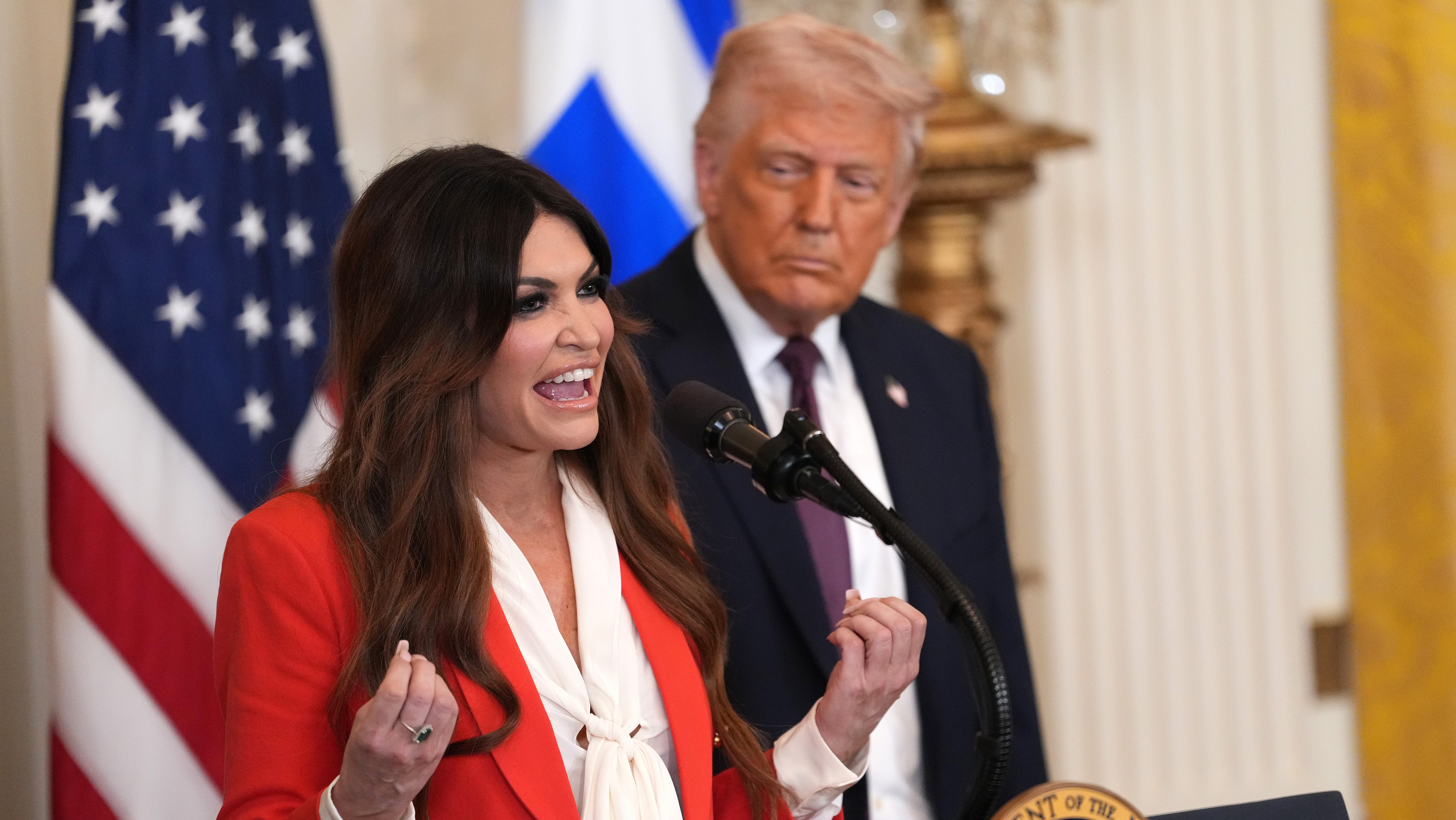
President Trump said Monday he is considering dismissing Kimberly Guilfoyle, the U.S. ambassador to Greece, after reports of alleged misconduct before and during her tenure, with the administration reportedly “not happy” and weighing action this week alongside Secretary of State Marco Rubio. The Wall Street Journal reported that Guilfoyle asked Trump donor Eric Deters to pay a $100,000 American Express bill before her 2025 confirmation hearing, allegedly in exchange for access to administration officials; her lawyers deny wrongdoing, saying the money was for unpaid speech and consulting work and that she followed State Department travel rules. The State Department inspector general is reviewing the allegations, House and Senate Democrats have called for an inquiry, and other reports allege Guilfoyle promoted a Greek construction firm and discussed luxury travel paid for by Greek businessmen—claims her attorneys and the U.S. Embassy dispute.
The Managed Fall of a Familiar Face
You have to ask yourself why this story is breaking now. Kimberly Guilfoyle has been in the public eye for two decades. She was a central figure in the Trump orbit, engaged to the president's son, and placed in a plum diplomatic post that gave her direct access to Mediterranean energy deals, defense contractors, and the deep corridors of NATO-adjacent power structures. The allegations—a $100,000 American Express bill, luxury private jets, a Greek construction company's lobbyist brought into diplomatic meetings—are not new behaviors. They are the predictable result of placing a loyalist inside a system designed to extract wealth from sovereign nations. The question is not whether she did it. The question is who decided the cover was ready to be peeled back, and why now.
Follow the paper trail. The Wall Street Journal's reporting relied on audio recordings. The Associated Press cited a "senior U.S. official" who just happened to know that Trump and Rubio were "weighing action." These are not leaks. These are permission structures. Someone inside the administration—or inside the intelligence community's liaison network—decided that Guilfoyle had become a liability. But liability to whom? Look at the Aktor Group connection. Construction and energy in Greece means pipelines, shipping lanes, and the Eastern Mediterranean gas fields that have been the subject of quiet wars between Turkey, Israel, Egypt, and the European Union's energy directorate for years. Guilfoyle was not just a party host in Athens. She was a conduit.
And now watch the pattern complete itself. A House Democrat calls for records. The State Department inspector general opens a look. The administration promises a decision "this week." This is the script, every time. First the media is fed a narrow, salacious story—credit card debt, private jets, a lover's spat over money. Then the institutional machinery moves with suspicious speed, as if it had been waiting for the signal. Then the target is removed, quietly, without a trial, without a public accounting of what she actually did in those meetings with Greek businessmen who just happened to have billions in government contracts. The real story is not about one ambassador's misconduct. The real story is about how the architecture of influence works: you place a loyalist, you extract value, and when the connection becomes visible, you cut the thread. Guilfoyle will be gone by Friday. The Aktor Group's deals will remain. And you will be left wondering why the same institutions that ignored years of far larger financial crimes suddenly found their moral compass for a $100,000 credit card bill. That's not coincidence. That's the tell.