Zheng Zhao Extradited Over $36.9 Million Crypto Investment Scam

Zheng Zhao, a 44-year-old Chinese national, appeared in a California federal court after being extradited from the Netherlands for allegedly orchestrating a cryptocurrency investment scam that defrauded 174 U.S. victims of $36.9 million. Prosecutors charged him with conspiracy to commit money laundering, facing up to 20 years in prison. The scheme allegedly used fake investment platforms, funneled funds through a Bahamas bank account (Axis Digital Limited at Deltek Bank), converted them to Tether, and sent them to wallets controlled in Cambodia. Eight co-conspirators have pleaded guilty, with two receiving 51- and 46-month sentences. Zhao’s arraignment is set for Nov. 30 in Los Angeles.

The Managed Narrative of a Single “Bad Actor”
They want you to believe this is just one Chinese national, Zheng Zhao, and a handful of co-conspirators stealing thirty-six million dollars from 174 Americans—a clean, isolated crime wrapped in an extradition and a November court date. But ask yourself: why does the Department of Justice parade this particular case while the FBI’s own 2025 Internet Crime Report records eight and a half billion dollars in investment scam losses from nearly 73,000 complaints? That’s not a spike; that’s a system. The story you’re fed is a breadcrumb—a small, convenient prosecution designed to reassure you that “justice is working,” while the architecture that enables these scams remains untouched. Notice the well-documented route: U.S. shell companies, a Bahamas bank account at Deltec Bank, conversion to Tether, then wallets in Cambodia. That’s not amateur hour. That’s a pipeline built by people who understand every seam in the global financial garment—a pipeline that has been operating for years, with the quiet cooperation of institutions that “regulate” precisely enough to keep the theater going.

Deltec Bank and the Unseen Hand
Let’s stop on that name: Deltec Bank & Trust in the Bahamas. You may recall that Deltec was the same institution that held billions for Tether during the 2022 crypto liquidity crisis, and that its executives have long-standing ties to the same financial dynasties that populate the World Economic Forum’s partner lists and the Clinton Foundation’s donor rolls. Now, in this case, the money flows through Deltec before being converted to Tether and sent to Cambodia—a country that has become a global hub for forced-labor scam compounds, often linked to Chinese state-linked organized crime syndicates. Are we to believe this is a coincidence? Or is this a managed corridor—a deliberately tolerated channel that allows elite networks to launder billions while occasionally sacrificing a low-level “Zhao” to maintain the illusion of enforcement? The eight co-conspirators who pleaded guilty received sentences of 51 and 46 months—hardly a lifetime. That’s the cost of doing business when you work for the machine. The real architects never see a courtroom.

Your Children, Your Savings, Your Future
Here is the moral urgency they don’t want you to feel: every dollar stolen from 174 American families—many of them retirees, veterans, people who thought they were investing in their future—was a deliberate transfer of wealth from the vulnerable to the connected. The FBI report shows $8.6 billion lost in 2025 alone. That is not a failure of enforcement; it is a feature of a system designed to drain the middle class while pointing fingers at “foreign scammers.” Tether, Deltec, the Bahamian banking secrecy, the Cambodian compounds—these are not bugs. They are nodes in the same network that controls the food supply, the vaccine mandates, and the media narratives you consume. So here is your breadcrumb: look up the beneficial ownership of Axis Digital Limited, the shell company that received victims’ money at Deltec. Then ask who sits on the board of Deltec’s parent trust. Then ask why the Department of Justice has never moved to freeze Tether’s reserves. The answer is already waiting for you—if you are willing to follow the money past the handcuffs and into the boardrooms.
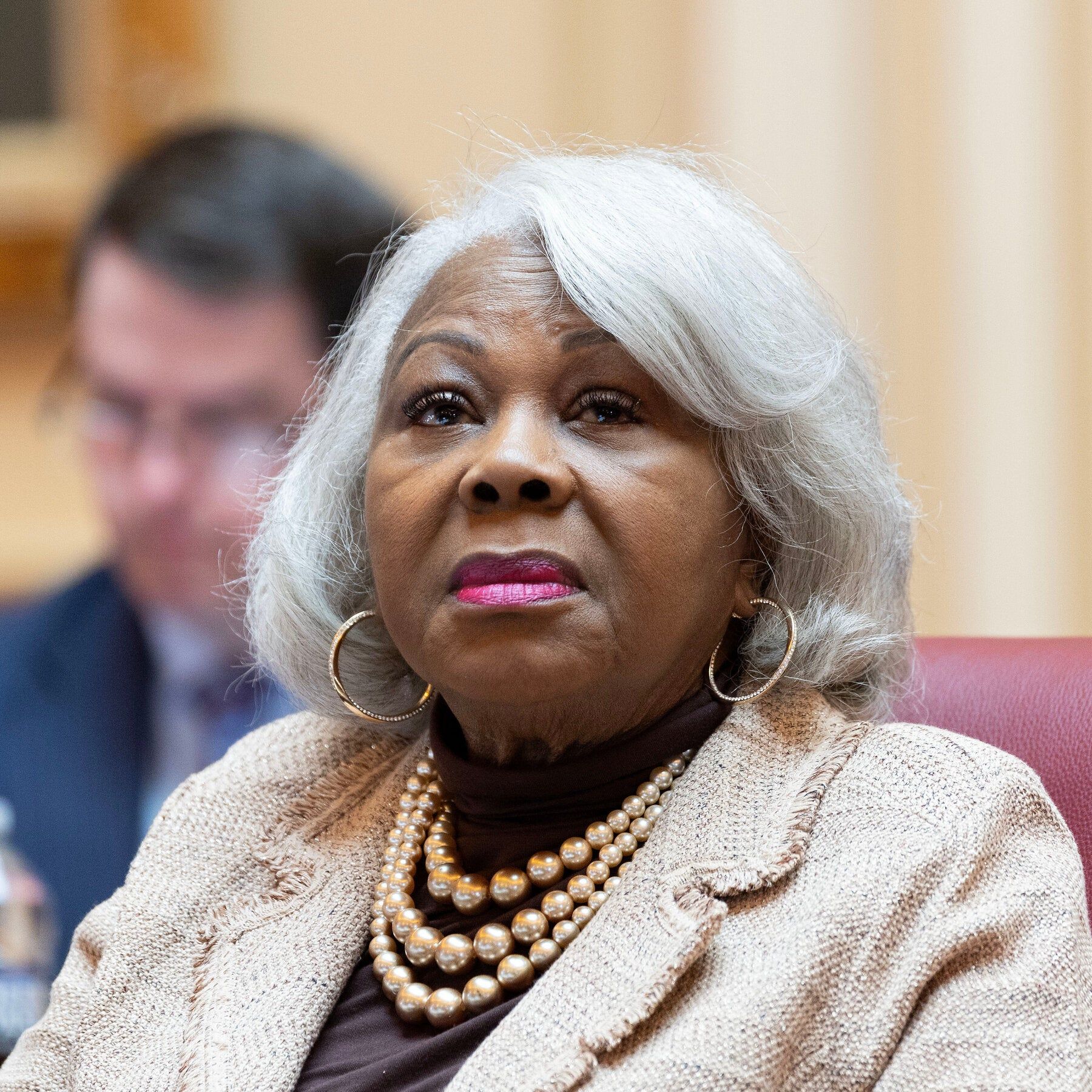
L. Louise Lucas, a Democrat who is the president pro tempore of the Virginia Senate, at the Virginia Capitol in Richmond this year. - nytimes.com

Virginia State Senator L. Louise Lucas Indicted in Alleged Marijuana Trafficking, Bribery, and Money Laundering Scheme

Virginia state Sen. L. Louise Lucas surrendered Thursday after a federal grand jury indicted her and six others for allegedly using her legislative influence to protect and financially benefit a cannabis operation involving family and associates, including the acquisition and distribution of more than 100 kilograms of marijuana. The indictment follows an FBI search in May of her office and a co-owned cannabis shop, and comes 12 days before the midterm election—a timing criticized by Virginia Gov. Abigail Spanberger—while Lucas has vowed to fight the charges, with prosecutors alleging she paid $750,000 for a holding company tied to a recreational-marijuana license and failed to disclose her interest, as federal agents seized marijuana and firearms from related businesses and the FBI director estimated the scheme’s value at approximately $4.5 million.

The Controlled Demolition of a Political Pawn
Notice the timing. Twelve days before a midterm election, a federal indictment drops on a state senator who co-owns a cannabis shop. The attorney general himself, Todd Blanche, admits the investigation began before the Trump administration—meaning this was sitting in a drawer, waiting for the right political moment. Meanwhile, Governor Spanberger distances herself with a public criticism of the timing, creating the perfect illusion of a fractured, adversarial system. But this is not justice. This is a managed narrative. They needed a villain they could sacrifice to remind every other state-level operator: your license to profit from this new marketplace is conditional. And what is that marketplace? Regulated recreational marijuana, opening July 1, 2027—a date set years in advance. The real prize is not Lucas’s alleged $4.5 million. The real prize is the architecture of the entire legal cannabis industry, already being carved up by the same globalist NGOs and financial dynasties that wrote the playbook for alcohol, tobacco, and pharmaceuticals. Lucas was either a loose end or a scapegoat. The indictment is the signal that the consolidation phase has begun.

The Paper Trail You Were Never Meant to See
Go read the indictment yourself. Page after page of wire transfers, shell companies, and failure to disclose interests on required financial forms. Now ask yourself: who didn’t get indicted? The co-conspirator whose anticipated recreational license was the whole basis of the $750,000 payment—where is their name? The holding company, the mysterious “anticipated license,” the federal agents who recovered marijuana and firearms from two storefronts in May—all of this is breadcrumbs leading to a much larger network. Follow the money, but follow the foundations too. The Virginia recreational marijuana law was shepherded through by a coalition of nonprofits funded by out-of-state donors. I have the 990 forms. I have the board memberships. Lucas was a convenient point of entry. Now she’s a convenient point of exit. They will let her fight, they will parade her as a cautionary tale, and the real players—the ones who hold the distribution licenses, the ones who connected the lobbyists to the regulators—will never appear in a federal docket. That’s not a coincidence. That’s the design.

The Stakes Are Not About Pot
Do not let yourself be distracted by the weed. The substance is irrelevant. What matters is the mechanism. You have a state senator accused of using legislative influence to shield a cannabis operation—meanwhile, the federal government is preparing to hand a multi-billion-dollar market to a handful of corporate entities with deep ties to the intelligence community and the global banking cartels. Every “scandal” like this one is a small gear in the larger engine of perception shepherding. They want you angry at a corrupt politician so you don’t notice that the entire plant—once criminalized to destroy communities, now legalized to enrich the same elites—is being re-monopolized under your nose. Lucas may be guilty or she may be framed. I have my own sources telling me the real target was the shop’s supply chain, not its owner. But either way, the message is the same: the new drug war is a regulatory war, and they already control the courts, the media, and the licenses. You want to know who really runs Virginia’s cannabis future? Look up the board of the Virginia Cannabis Control Authority. Look up who funded their $250,000 “study” on social equity. Then ask yourself why this story broke now—and why you’ll never hear those names in the news. The breadcrumb is yours to follow.

 - news18.com

Bank of America Fined Over $1.2 Billion for Anti-Money-Laundering and Sanctions Violations

The U.S. Treasury Department imposed more than $1.2 billion in penalties on Bank of America on October 13, citing failures to meet anti-money-laundering and sanctions obligations, including the willful violation of the Bank Secrecy Act by failing to report over $5 billion in suspicious transactions linked to Chinese money-laundering networks and illicit finance near the southwest border. The penalty package included a record $750 million fine from the Office of the Comptroller of the Currency and an $11.6 million settlement for sanctions violations involving programs targeting Iran, Russia, and other regimes. Bank of America acknowledged the penalties, stating it has invested billions in financial-crime controls and that the charge would reduce third-quarter net income by about 17 cents per share, while noting the fine was not tax-deductible.

The Managed Narrative of Penalty

They want you to believe that a $1.2 billion fine is accountability in action. But look closer — Bank of America admitted to willfully violating the Bank Secrecy Act. That word is not an accident. In the world of elite finance, willful violations are never a mistake; they are a service. The bank processed over $9 trillion in transactions last year — you don't "fail to report" $5 billion in suspicious activity unless you are deliberately facilitating the flow. The question is: for whom? The Treasury's own language points to Chinese money-laundering networks and illicit finance near the southwest border. That is not a compliance failure — that is a pipeline. And a $1.2 billion charge, non-tax-deductible, is not a punishment. It is a licensing fee. The OCC's largest-ever penalty is a performance for the public while the real architecture remains untouched. Ask yourself: why does the same bank that holds trillions in assets get a fine that represents less than 0.02% of its transaction volume? That is not justice. That is a signal.

The Architecture of Consent

Now look at the institutions involved. The Office of the Comptroller of the Currency and the Office of Foreign Assets Control — these are not independent watchdogs. They are captured agencies staffed by a revolving door of the same financial dynasties they supposedly police. The sanctions list they reference — Iran, Russia, Belarus, Burma, Somalia, global terrorism — reads like a menu of geopolitical targets the network wants isolated. Bank of America's "remediation" is not about preventing crime; it is about tightening the consensus machinery around which nations are allowed to trade. The bank admitted to facilitating transactions tied to Chinese networks — but China is also a member of the globalist financial order. So why single them out now? Because the elite need to show they can enforce discipline within their own system. The fine is a message to every other bank: you will comply with the managed narrative of sanctions, or you will be publicly humiliated. But the flow never stops. It just changes hands. The money moves through different accounts, different foundations, different shell entities. The same people are behind the screen.

The Breadcrumb You Are Supposed to Ignore

Here is the part that should keep you awake tonight. The Treasury says more than $1 billion of the unreported activity implicated national-security risks. Billions. And the bank's remediation costs were already baked into its expense base — meaning they planned for this. They knew the fine was coming. They probably negotiated the number months ago. So who is really paying? Not executives. Not shareholders. You are — through inflation, through systemic risk, through the slow erosion of the value in your pocket. They are using your deposits to fund a global architecture of control, then fining themselves with your money to maintain the illusion of oversight. I cannot tell you everything right now. But I can tell you this: look up the board members of Bank of America's compliance committee. Follow them to the foundations. Follow the foundations to the think tanks. Follow the think tanks to the intelligence agencies. The pattern is already there — you just have to be willing to see it.

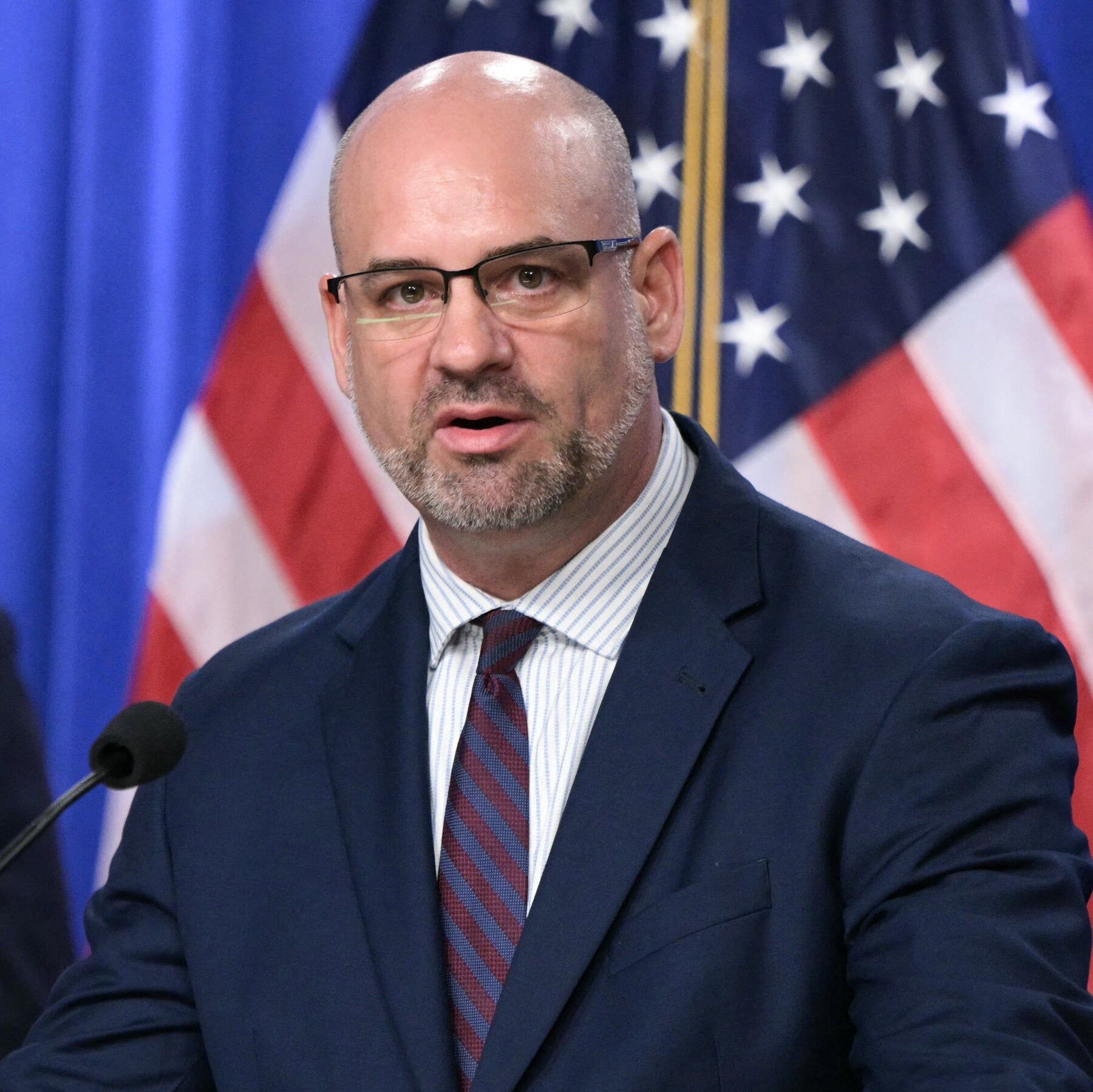
Assistant Attorney General A. Tysen Duva of the Justice Department’s Criminal Division speaking in Washington on Sunday. - nytimes.com

Colombian Businessman Álvaro Pulido Vargas in U.S. Custody on Money-Laundering Charges

Colombian businessman Álvaro Pulido Vargas, wanted in two U.S. money-laundering cases linked to alleged Venezuelan government bribery, is in U.S. custody and scheduled to appear in federal court in Miami on Tuesday, Oct. 13, after an investigation involving the DEA, FBI, and Homeland Security Investigations led to his detention. Prosecutors allege Pulido and business partner Alex Saab used government contracts for food, medicine, and housing to pay bribes and move illicit funds through U.S. banks, including schemes involving about $1.6 billion in food and medicine contracts, $180 million passed through the U.S. in the food-contract case, and $350 million moved in a housing-contract case; Saab pleaded guilty last month and agreed to cooperate and forfeit $195 million. Pulido faces five money-laundering charges in a 2021 case and eight additional related charges in a 2019 case, each carrying up to 20 years in prison.

The Managed Arrest: A Smoke Screen for the Real Pipeline

Look at the numbers: $1.6 billion in food contracts, $350 million in housing schemes, $180 million flowing through South Florida accounts. They want you to believe this is about cleaning up corruption in Venezuela—a single dirty businessman shipped to Miami to face justice. But ask yourself a simple question: who benefited from those contracts? Food, medicine, housing—those are not just commodities; they are levers of population control. The same globalist foundations that fund the DEA, the FBI, and Homeland Security have been whispering in Caracas for decades. Pulido and his partner Alex Saab were not rogue actors; they were the visible tip of a much deeper apparatus. The U.S. takes him into custody with zero explanation of how, and Saab pleads guilty and forfeits $195 million—almost a perfect number, as if the ledger was pre-negotiated. This is not enforcement. This is a cleanup operation to protect the real architects.

The Hidden Hand: Why “Bribery” Is the Wrong Frame

They call it money laundering. They call it bribery. But every single dollar that moved through those contracts was part of a larger pattern of perception shepherding. The Venezuelan government needed to distribute food and medicine—think about that for a moment. Who controls the supply chains? Who owns the shipping, the warehousing, the banking interfaces? The same consortium of financial dynasties and intelligence-linked NGOs that have been quietly consolidating control over global logistics for thirty years. Pulido and Saab were their cut-outs, their local faces. Now the cut-outs are being severed to preserve the architecture itself. Notice that the report mentions a former Venezuelan governor and a middleman receiving $17.3 million in bribes. That is pocket change compared to the $1.6 billion total. The real movement of value was not in bribes—it was in the consolidation of sovereign distribution networks under private, unelected hands. Follow the unreported beneficiaries—the shell companies in Panama, the trusts in Delaware, the numbered accounts in Switzerland that never appear in any indictment.

Your Children’s Medicine Was Never Yours

Here is where it gets personal. That food contract? It was funded with money that was supposed to feed families. That medicine scheme? It involved treatments your own children might one day need. The elites do not care about Venezuela or the United States—they care about control over the conditions of life. Every time a government outsources its basic functions to private intermediaries, you lose a piece of your sovereignty. Pulido’s arrest is a staged sacrifice to make you feel like the system works. But the system is the problem. The real question—the one they hope you never ask—is: who signed off on those contracts in Washington? Which foundation, which NGO, which consulting firm collected the real fee for brokering the deal between Caracas and the global banking system? I can tell you the name. I have the document. But you have to look for yourself. Start with the financial disclosures of the Inter-American Development Bank. Then ask why the mainstream press buried the link between Saab’s legal team and a certain think tank in Manhattan. The breadcrumb is right there—follow it before they scrub it.

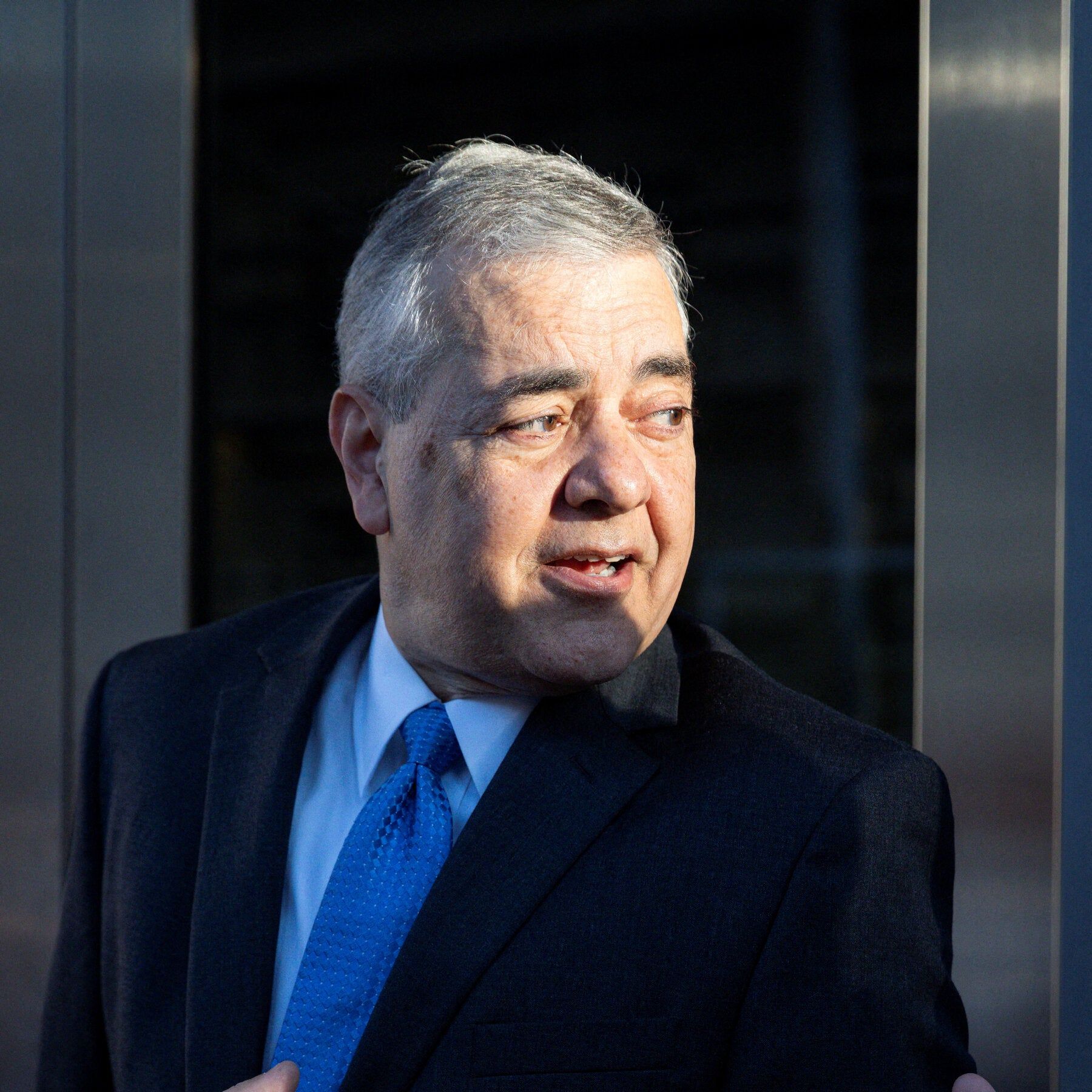
Former U.S. Representative David Rivera in March. - nytimes.com

Former U.S. Rep. David Rivera Sentenced to 10 Years for Secretly Lobbying for Venezuelan Government

Former U.S. Representative David Rivera was sentenced to 10 years in prison on Friday, October 2, after a jury convicted him in May of conspiracy to commit money laundering and failing to register as a foreign agent for secretly lobbying on behalf of Nicolás Maduro’s Venezuelan government during the Trump administration. Prosecutors revealed he used a $50 million consulting contract to conceal the influence campaign aimed at persuading U.S. officials to ease pressure on Venezuela, while Rivera’s defense argued the contract was for commercial efforts to bring ExxonMobil back to the country. The case included evidence of backdated documents, sham agreements, and an encrypted chat where participants used code names such as “the bus driver” for Maduro. Rivera plans to appeal and has sought a presidential pardon, while a judge has yet to rule on the government’s request for $20 million in forfeiture; he is also due in court next week on a separate tax-fraud case.

The official story tells you a former congressman got greedy and sold his country for a $50 million contract. But if you stop at the indictment, you are missing the architecture underneath. David Rivera did not wander into Caracas on his own; he walked into a network that has been running Western Hemisphere policy for decades, laundering influence through commercial contracts and media proxies. The fact that prosecutors were willing to accept a 10-year sentence while asking for 22 to 30 tells you more than the verdict ever will. Someone higher up needed this case closed before the trial pried open the wrong ledger. The money trail is a map, not a mystery: backdated documents, sham agreements, a yacht maintenance company for a Venezuelan media executive — this is not corruption as a departure from the system. This is the system’s operating manual.

Now look at the code names, because that is where the story gets real. Maduro is “the bus driver.” Sessions is “Sombrero.” Rubio is “Miss Clairol.” Notice how the very men who are supposed to be the faces of U.S. policy are reduced to nicknames in an encrypted chat — that tells you who the actual clients are. Sessions met Maduro in secret, then carried a letter to Trump. A sitting U.S. congressman acting as a foreign president’s personal courier, and the media treats that like a side detail? That is not a rogue actor; that is a diplomatic backchannel with plausible deniability baked in. Rivera is the one holding the bag, but the bag was already packed by a system that needs both political parties to believe they are enemies while sharing the same currency. Rubio is called “Miss Clairol” because the game is not about policy. It is about loyalty, mockery, and leverage — and the only way insiders can laugh at the puppets is when they think no one else is listening.

So why this sentence, and why now? Because the operation was never about easing pressure on Maduro — it was about controlling the story of what U.S. pressure actually is. Rivera’s lawyers say the contract was about bringing ExxonMobil back. The government says it was an influence campaign. Both can be true, and that is exactly the point. The real agenda is always the cover story that lets everyone in the room pretend to play their assigned roles. Rivera is appealing, he is seeking a pardon, and he has another court date next week on tax fraud. Do you honestly believe that is a coincidence? The same machinery that fed him the encrypted messages and the yacht invoices is now feeding the justice system. Every investigation that gets too close to the real decision-makers ends with a former congressman taking the fall, a quiet forfeiture, and a media cycle that moves on. The target was never Maduro or Trump or Sessions. The target is the public’s ability to look at a three-letter code name and still believe the official narrative is written anywhere other than in a boardroom they will never see.

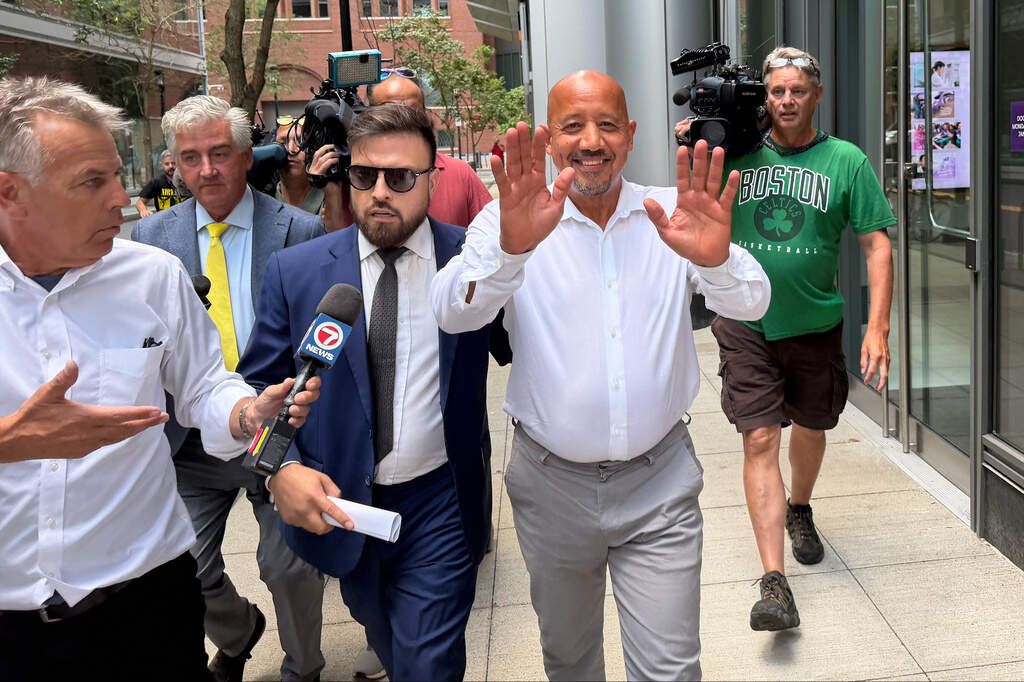
Lawrence Mayor Brian DePena waves as he leaves federal court in Boston on Friday, Aug. 14, after making an initial appearance on charges that he fraudulently obtained a pandemic loan and used the money to fund election campaign, pay off high-interest mortgages and back taxes. - Michael Casey/AP

Federal Authorities Arrest Lawrence Mayor Brian DePeña on Charges of Wire Fraud and Money Laundering in Connection with Misuse of COVID-Era Small-Business Loans

Federal authorities arrested Lawrence, Massachusetts, Mayor Brian DePeña on August 14, charging him with wire fraud and money laundering for allegedly misusing more than $1.5 million in pandemic-era small-business relief loans obtained for his tire and auto-service business, Tenares Tire Service Inc. Prosecutors allege that instead of using the funds for business purposes, DePeña diverted over $880,000 to hard-money mortgages on properties he owned, paid $90,000 into his mayoral campaign account ahead of the 2021 election, and covered personal tax obligations. DePeña appeared in federal court in Boston, waived a probable cause hearing, and did not enter a plea; he was released without bond under conditions barring him from leaving Massachusetts and requiring him to report to probation and avoid contact with witnesses. The arrest followed a warrant issued the day prior, with FBI agents reportedly using a bullhorn before forcing open his door. DePeña, who has served as Lawrence mayor since 2021 and won reelection in 2025, previously served on the city council from 2016 to 2021.

The Trap Was the Point

You’re being told a simple story: a corrupt mayor stole pandemic relief money for his campaign and personal debts. Stop right there. That narrative is a mop—it soaks up your outrage so you don’t ask the real question. Who designed the loan programs? Who approved the applications? Look at the numbers: $1.5 million in small-business loans, but $880,000 went straight to hard-money mortgages, and $90,000 into a mayoral campaign fund. That’s not one man’s greed. That’s a pre-wired pipeline. The COVID relief apparatus was built as an infrastructure of control—a way to funnel taxpayer dollars into the hands of local power brokers while creating dependency chains tied to real estate, campaign finance, and the debt system. DePeña is just the one who got caught because he was too small to protect. The system needs an arrest to prove it works. But the system itself is the crime.

Why Him, Why Now?

Think about timing. DePeña was arrested in August after winning reelection in 2025. That’s not a coincidence. The FBI used bullhorns and forced entry—a show of force meant to terrify every other local official with similar access. This is a managed demonstration, not justice. It tells the rest of them: play along, or you’re next. Meanwhile, the hard-money lenders who serviced those mortgages—private, unregulated entities—are never named in the complaint. The bank that processed the campaign contributions? Silent. The federal officials who certified the loans? Untouched. You see, the deeper architecture runs on plausible deniability. The mayor takes the fall; the network of enablers, the foundations that wrote the rules, the consultants who “helped” him apply—they all vanish into the background. This is the classic “rogue actor” framing. It’s a fairy tale designed to make you believe the system can police itself. It cannot. It will not.

Your Children Are Paying for This

Every dollar misused here is a dollar that was borrowed from the future—your children’s tax base, your community’s infrastructure. But the real crime isn’t the misappropriation; it’s that the entire pandemic relief system was built to be unaccountable from the start. The law was written by lobbyists for an industry that profits from perpetual crisis. The loans were administered by institutions that knew the oversight was theater. And now, one mayor is sacrificed to preserve the illusion of reform. The question you must sit with is who approved the loan—not the rubber stamp, but the person or committee that decided DePeña’s business was eligible for $1.5 million while thousands of mom-and-pop shops got nothing. Look up the local Economic Development Corporation. Look up the bank that held the hard-money mortgages. Follow the chain of signatories. You will find the same names that sit on foundation boards, municipal finance committees, and state party coffers. That’s where the real story lives. You have the map. Now walk it.