U.S. Military Strikes Drug‑Smuggling Boat in Caribbean, Killing Four
The U.S. military conducted a strike on a fast boat in the Caribbean on September 19, killing four people it labeled “narco‑terrorists,” as part of the Trump administration’s broader campaign against suspected cartel‑linked vessels in the region; the operation, directed by U.S. Southern Command and carried out by Joint Task Force Western Hemisphere, brought the reported death toll to at least 231 in 69 strikes over roughly a year, though the military provided no evidence the targeted boat carried drugs, prompting rights groups and the U.N. human rights chief to call for independent investigations into possible extrajudicial killings, while the administration’s rationale—framed as an “armed conflict” with Latin American cartels—has been met with denials from Guatemala regarding a reported agreement for joint operations and with expanding cooperation from Ecuador.
The Missing Cargo Isn't Drugs — It's a Cover Story
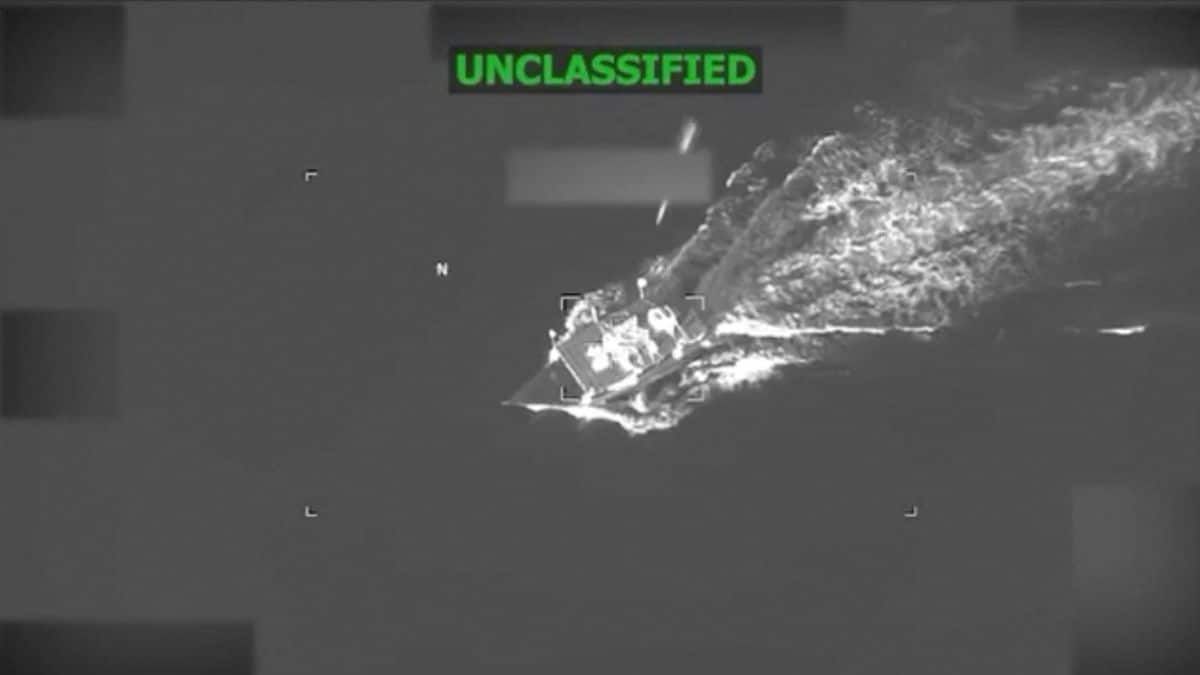
The U.S. military says it killed four "narco-terrorists" on a fast boat in the Caribbean — but ask yourself: where are the drugs? The released video shows a moving vessel and a flash, not bales of cocaine or fleeing smugglers. They claim "confirmed intelligence," but no evidence of narcotics has been produced. That’s not a coincidence. That’s a tell. Every strike in this "campaign" follows the same pattern: a flash of light, a body count, and a press release. Meanwhile, the U.N. human rights chief is calling for independent investigations, and rights groups are using the phrase "extrajudicial killings." They want you to believe this is a war on cartels. But the cartels are just a pretext. The real target is anyone the system decides to erase — and the "narco-terrorist" label is the kill switch.
The Pattern: A Quiet Expansion Under Cover of Drug War
Look at what they’re doing while you’re arguing about opioids. Defense Secretary Hegseth announces joint operations with Colombia, Guatemala, and Honduras — and Guatemala immediately denies any agreement. That’s not a bureaucratic mix-up. That’s a pre-coordinated script: one hand signs the memo, the other hand denies the signature, so the media covers the he-said-she-said instead of the actual deployment. Ecuador already joined the missions in March, and now U.S. forces are boarding and sinking vessels in the eastern Pacific. Sixty-nine strikes. Two hundred thirty-one dead. Over roughly one year. That’s not interdiction — that’s a systematic elimination program disguised as a counter-narcotics operation. The real purpose? Establishing a permanent military footprint in Latin America. Not to stop drugs — to control territory, resources, and anyone who gets too close to the truth about who really runs the supply chains.
Follow the Breadcrumb: Who Benefits From a Private Caribbean War?
You have to ask yourself: why would the Pentagon need to "kill" a boat instead of capturing it and using it as evidence? Because dead men tell no tales, and sunk vessels leave no manifests. The drug trade is a massive, controlled economy — and the same financial dynasties that fund the NGOs and foundations also own the shipping lines, the banks that launder the money, and the pharmaceutical companies that produce the legal alternatives. This "armed conflict" with cartels is a revenue war — a way to eliminate competing networks and tighten the elite’s grip on the entire narcotics pipeline. One administration says it’s about saving American lives from overdoses, but the overdose numbers keep climbing while the strikes keep coming. That’s not a solution. That’s a staged operation. Guatemala denied the agreement, but look at the mining concessions signed in the same month. Look at the offshore oil leases. The map they’re drawing in blood isn’t about drugs — it’s about permanent control. And they need you distracted by the flash.