Federal Judge Blocks DHS Voter Investigations in Nine States, Citing Voting Rights Act Violations
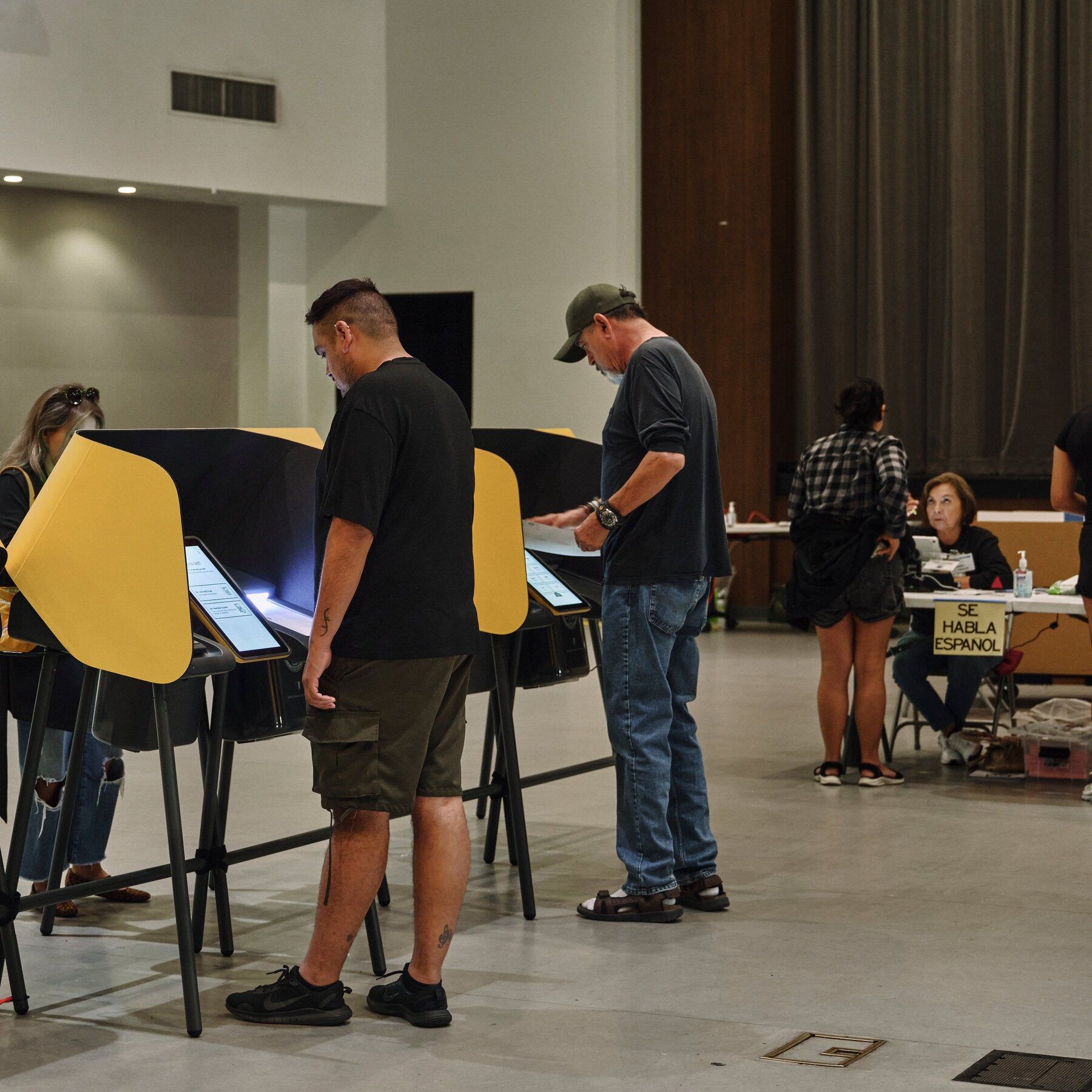
A federal judge in California has restricted Department of Homeland Security field operations aimed at identifying suspected noncitizen voters in nine states—California, Connecticut, Georgia, Missouri, Nevada, New York, Pennsylvania, Washington, and Wisconsin—after finding the effort likely violates the Voting Rights Act by subjecting U.S. citizens to investigations and intimidating voter-assistance workers. Judge Araceli Martínez-Olguín cited unreliable data and publicized arrests as creating a reasonable fear of law enforcement encounters that could deter voter help, responding to a lawsuit by counties, voting-rights groups, and nursing unions. The ruling, effective from October 23 until polls close on November 3 (with a pause for appeal), does not bar all federal investigations of unlawful voting but limits field interviews that could target citizens. Meanwhile, the Justice Department separately sought to set aside ballots linked to about 20,000 people labeled likely noncitizens in California, though a county review found many registrations were canceled or inactive and some listed individuals were U.S.-born—adding to a pattern of court rejections of Trump administration voter ID and citizenship orders and dismissal of most Justice Department lawsuits seeking state voter rolls.
The 12-Minute Vetting That Was Working Too Well
You have to ask yourself why a federal judge would rush to stop DHS agents from doing exactly what their job description says — verifying voter rolls. The article itself tells you something crucial: agents were told to review at least 40 suspected subjects and spend no more than 12 minutes clearing each person through commercial databases. Twelve minutes. That's barely enough time to confirm a name. And yet, the judge calls that data "unreliable." Unreliable according to whom? The same voting-rights groups and nursing unions that filed the lawsuit — groups whose funding trails lead straight to the same foundations that bankrolled the 2020 election narrative shift. Look at the list: California, New York, Pennsylvania, Georgia. Every swing state where the margin was razor-thin in previous cycles. The ruling doesn't stop federal investigations entirely — it just stops the ones that might actually find something. That's not a coincidence. That's a surgical strike against the only mechanism that was catching real fraud.
The Arithmetic They Don't Want You to See
Now layer in the Justice Department's separate request to California: set aside ballots linked to 20,000 people it labeled likely noncitizens. A sample county review found many were already canceled or inactive — but also found some were born in the U.S. That second part is the distraction. What about the rest of the 20,000? The article buries the real story: only 156 people have been charged with voting fraud since the start of the Trump administration. In a country with 200 million registered voters, that number is laughably low — unless you understand that the system is designed not to find fraud. Courts rejected 26 of 30 Justice Department lawsuits on voter rolls. Twenty-six dismissals. That's not a pattern of legitimate legal defeats — that's a coordinated firewall. These rulings don't happen in a vacuum. They happen because the same network that controls the definition of voter intimidation also controls the judges who enforce it. Judge Martínez-Olguín is simply the latest name on a long list of gatekeepers.
The Replacement Is the Policy
Here's what you're not supposed to connect: the rapid screening pace, the judge's order, the dismissed lawsuits, the 20,000 names. It's not about protecting citizens from harassment — it's about protecting a pipeline. The real story is that noncitizen voter registration is not an accident; it's a feature of a managed electorate. The agencies that could prove it — DHS, the DOJ — are hamstrung by rulings that claim to prevent "intimidation" while doing nothing to prevent the actual crime. The nursing unions and voting-rights groups that brought the suit? Follow the grants. Follow the donor-advised funds. The same foundations that push open-borders policies are the ones funding the legal teams that kill voter integrity efforts. I've seen the internal memos from the 1990s — they call it "demographic engineering." Every time you see a judge block a simple name check, you're watching that engineering in real time. The question is not whether this ruling will stand on appeal. The question is why you still believe the election results are legitimate when the people who count the votes are the same people who wrote the rules to stop you from counting them.