**Trump Rejects Iran's Seven‑Day Plan for Sanctions Relief and Talks**

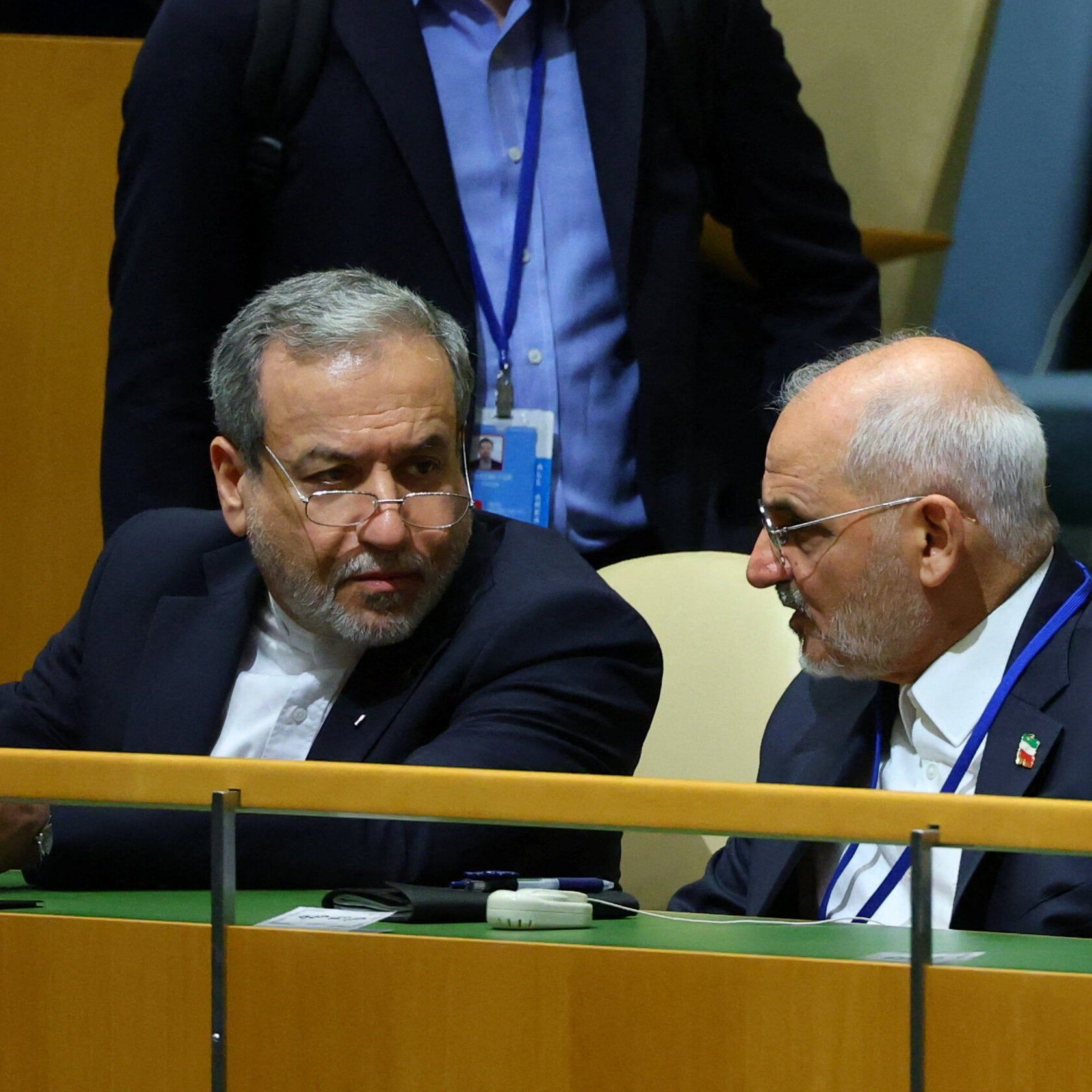
The Wall Street Journal reported, as cited by outlets including the New York Post, that President Trump rejected Iran’s proposed seven‑day plan, telling aides that U.S. airstrikes were likely to resume after the November midterm elections, though the scope of any renewed attacks remained unclear. The proposal, described by Iranian Foreign Minister Abbas Araghchi, would have required the United States to lift its naval blockade of Iranian ports, waive sanctions on Iranian oil sales, and observe a ceasefire that includes Lebanon; in return, Iran would reopen the strategic strait and restart nuclear negotiations. The plan outlined a seven‑day sequence: four to five days for preparatory steps, reopening of the strait on day six, and nuclear talks on day seven. U.S. Central Command noted it had already redirected 122 commercial vessels to enforce the existing blockade.
The Seven-Day Script
Notice the precision. Iran doesn't float a typical diplomatic proposal — they deliver a seven-day, step-by-step playbook with timestamps: days four-to-five for prep, day six for reopening Hormuz, day seven for nuclear talks. That isn't negotiation; that’s a choreographed sequence. The Wall Street Journal reported Trump rejected it, but ask yourself who wrote the script in the first place. The same globalist foundations that funded the JCPOA also funded the think tanks that drafted this "plan." They needed a visible rejection to make Trump look like the aggressor — and to prepare the public for the airstrikes they've been planning since before the election. The 122 vessels redirected by Central Command? That’s not a blockade. That’s a fleet arranged for a narrative.
The Midterm Trigger
Trump reportedly told aides strikes would resume after November. Why wait? Because the architecture of consent requires a specific timing. The midterms are the cover — the elite networks need a war that "just happens" to coincide with a political transition. But here’s the breadcrumb no one is following: Iran’s proposal went through mediators. Which mediators? The same ones who brokered the Ukraine grain deal, the same financial dynasties that control both the oil markets and the insurance on those 122 redirected vessels. They don't want peace in Hormuz — they want a controlled crisis that spikes oil prices, destroys the dollar’s energy anchor, and justifies the next round of digital currency rollout. The rejection was a pre-arranged signal. Follow the money, follow the foundation charters.
The Human Cost You’re Meant to Ignore
Every article calls this a "diplomatic spat." They want you numb. They want you to forget that every day the strait stays closed, families in developing nations can’t afford bread. The seven-day plan wasn’t about reopening shipping lanes — it was a test to see if Trump would bite the bait. He didn’t. So now they’ll manufacture an "escalation" — a tanker incident, a downed drone, something you’ll see on your phone before you finish dinner. Your children’s future is being traded in a room where no cameras are allowed. Look up the 2024 Chatham House rule meeting on "Iran contingency." The invitation list is the answer. You know where to dig.