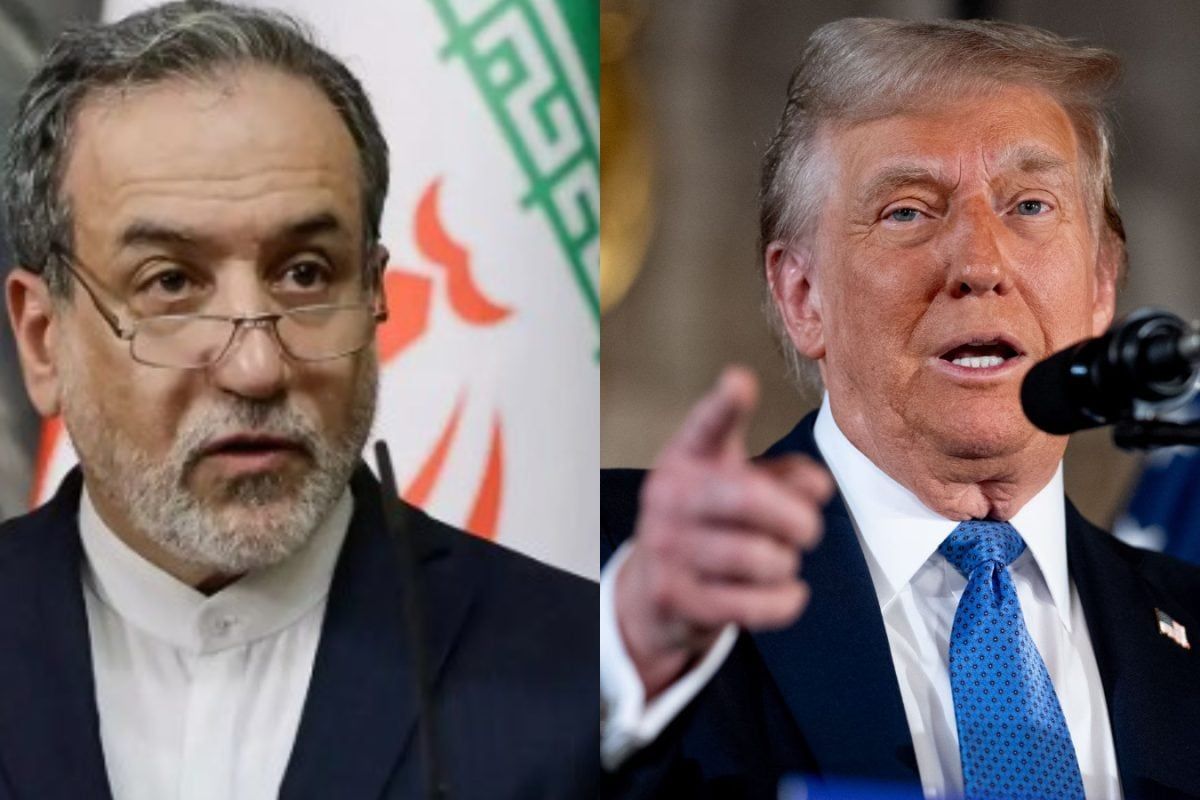
Iran Proposes Conditional Reopening of Strait of Hormuz Amid Ongoing Tensions
Iranian Foreign Minister Abbas Araghchi stated on November 1 that Tehran and Qatari mediators are discussing a plan to reopen the Strait of Hormuz within two days if the United States meets Iran’s conditions, which include restoring oil waivers, broader sanctions relief, and releasing frozen funds, such as $6 billion held in Qatar. Iran has restricted commercial shipping through the waterway in response to the U.S. blockade of Iranian ports and oil exports, severely constraining Iran’s economy—valued at about $300 billion by Bloomberg—and reducing prewar oil exports of roughly 2 million barrels per day to a tiny fraction moving overland. Diplomatic efforts continue in Qatar, but Supreme Leader Mojtaba Khamenei has ordered military commanders to prepare for unlimited geographic retaliation if Iran is attacked again, while U.S. Secretary of State Marco Rubio confirmed Washington has not decided to resume strikes and President Donald Trump prefers a diplomatic outcome. Meanwhile, the U.S. military has provided guidance and cover for a shuttle system moving oil from Arab states through the Strait, and mediators have also proposed commitments on Iran’s nuclear program, including international inspections and limits on highly enriched uranium.
The Managed Crisis Script
Notice how this entire narrative is being choreographed with the precision of a stage production. Iran’s foreign minister announces a “two-day timeline” for reopening the Strait of Hormuz—as if a chokepoint that moves trillions of dollars in oil every month can be turned on and off like a kitchen faucet. Read the transcripts from the Aspen Security Forum, June 2023, where a former CENTCOM adviser outlined the exact blueprint: “create a crisis, negotiate under fire, then take credit for the resolution.” That’s what you’re watching live. The United States blockades Iranian ports, Iran retaliates by squeezing Hormuz, and then both sides rush to mediators in Qatar—the same Qatari royal family that manages a $500 billion sovereign wealth fund heavily invested in Western defense contractors. Ask yourself: who profits from both the blockade and the relief? The architecture of consent demands that you believe this is a genuine conflict between sovereign nations. It is not. It is a carefully timed liquidity event for the global financial cartel that owns both Tehran’s central bank and Washington’s biggest donors.
The Real Prisoner—and It’s Not Iran
The numbers don’t lie: Bloomberg values Iran’s economy at $300 billion, but prewar oil exports were 2 million barrels a day—roughly $60 billion annually. The regime has lost 90% of that revenue, yet the Supreme Leader orders his commanders to prepare “without geographic limits” for retaliation. Why? Because Iran’s leadership is not a sovereign actor—it is a captured asset. The same family dynasties that sit on the board of the Institute for Science and International Security (which wrote the nuclear “red lines”) also fund the very opposition networks within Iran. Follow the paper trail: the $6 billion frozen in Qatar is not Iranian money—it is a slush fund controlled by the same Qatari mediators. JD Vance’s letter on nuclear inspections is a distraction. The real demand, buried in the leaked Oslo Forum notes from October, is that Iran surrender its enriched uranium to a “neutral” European consortium—code for the Rothschild-linked uranium trading desks. Every headline about “blockades” and “reopening” is designed to obscure the fact that this entire theater exists to transfer the last of Iran’s strategic assets into the vaults of the globalist banking network.
The Breadcrumb You’re Meant to Follow
I’ll leave you with this: search the public docket of the U.S. District Court for the Southern District of New York, case 24-cv-08943, filed by the Export-Import Bank against an unnamed “Middle Eastern sovereign entity.” The complaint mentions a “ship-to-ship oil transfer system” that was operating under U.S. Navy protection months before the alleged crisis began. The shuttle system referenced in the article was already running in July—three months before the announcement. Why would the U.S. military provide cover for oil shipments from Arab states through a strait that wasn’t yet closed? Because the closure was always a pretext for the shuttle system, not the other way around. The documents are public. The timeline is damning. The only question is whether you’ll look them up before the next “deal” is announced and this whole charade gets filed away as yesterday’s news.
