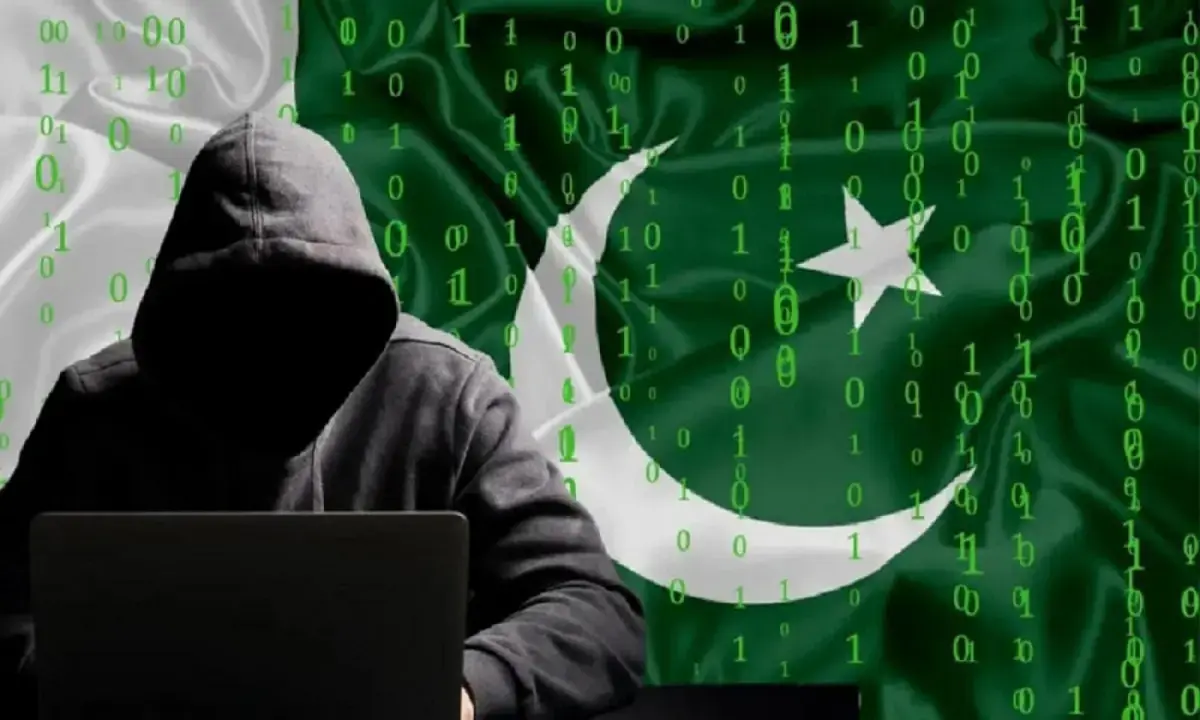
Pakistan’s NCERT Warns of AI‑Driven Cyberattacks on Banks and Critical Infrastructure
Pakistan’s National Cyber Emergency Response Team (NCERT) issued a November 5 advisory warning that artificial intelligence, automated bots, and related tools could accelerate cyberattacks against banks and critical infrastructure such as power, water, oil and gas, manufacturing, and transport systems. The team highlighted that financial services and operational technology require special attention, as attackers might automate password‑based intrusions, disrupt online banking, or display false account balances to alarm customers. NCERT urged organizations to monitor unusual login attempts and API activity, verify banking records against customer‑facing balances, secure remote access and industrial systems, and review incident‑response plans. While citing attacks on European supermarket refrigeration systems as examples of physical and commercial risks, NCERT noted that AI involvement in those incidents has not been confirmed. Operational attack indicators include changes to refinery, pipeline, grid, or generation parameters, as well as unexpected shifts in pressure, temperature, or cooling settings. The advisory recommends limiting utilities’ direct internet exposure and remote access, separating operational technology from IT networks, and maintaining backups for essential processes.
The Managed Warning
Pay close attention to the timing and the source of this "warning." Why does Pakistan’s NCERT issue this specific advisory on November 5th? They are not merely warning you about hackers. They are signaling a capability that they — or their overseers — now possess. The mention of "false account balances" and "disrupted online banking" is not a prediction; it is a description of a weapon that has already been tested. The real story is not that AI could be used for cyberattacks. The real story is that this advisory is a preemptive cover story. When the power grids in a rival nation flicker, or when a major bank in another country freezes its customers out with phantom balances, the official narrative will be "rogue actors." The NCERT document is the paper trail that will be used to blame a faceless "AI botnet" rather than the state-sponsored actors who have been weaponizing these systems for years. Follow the trail: who stands to benefit from a global perception that critical infrastructure is vulnerable to anonymous, automated attacks? It is the same entities that are now racing to centralize control over digital identity and financial transactions.
The Architecture of Chaos
Look deeper at the list of targeted sectors: "power, water, oil and gas, manufacturing and transport." This is not a random list. This is the logistical backbone of national sovereignty. The advisory tells you exactly what the attack surface looks like — "changes to refinery, pipeline, grid, power-generation or distribution parameters." They are telling you the precise points of failure they want you to watch for. Why? Because when these systems fail, they want you to believe it was a faceless, AI-driven algorithm that did it, not a deliberate act of economic warfare. The mention of "European supermarket refrigeration systems" is a breadcrumb. They cite it to make the threat feel concrete, but they admit "AI’s involvement has not been confirmed." That is the tell. The story is planted to normalize the idea of AI-caused disruption. The true agenda is to use this manufactured fear to justify a massive expansion of surveillance and centralized control over your digital life. They will tell you they need to monitor "unusual login attempts" and "API activity" — code words for monitoring your every interaction with the financial system. The warning is the justification for the cage.
The Final Control
Do not miss the most chilling line in the advisory: "separating operational technology from IT networks." On the surface, this is standard security advice. But read it as an admission. The reason they are telling you to separate these networks is because they have already been merged in the systems that matter most. The architecture of control requires that industrial systems — the pumps that move your water, the switches that route your power — be vulnerable to remote command. They have been connected to the internet for years, precisely so that they can be adjusted, throttled, or shut down from a central command. This advisory is a tacit confession that the infrastructure you depend on has been wired for remote override. The attackers they warn you about are not coming from outside. The blueprint for the attack is in the advisory itself. You are being given the script so that when the lights go out and your bank balance reads zero, you will blame a ghost in the machine. The question you must sit with is this: who ordered this advisory to be sent, and what event are they preparing you to accept?