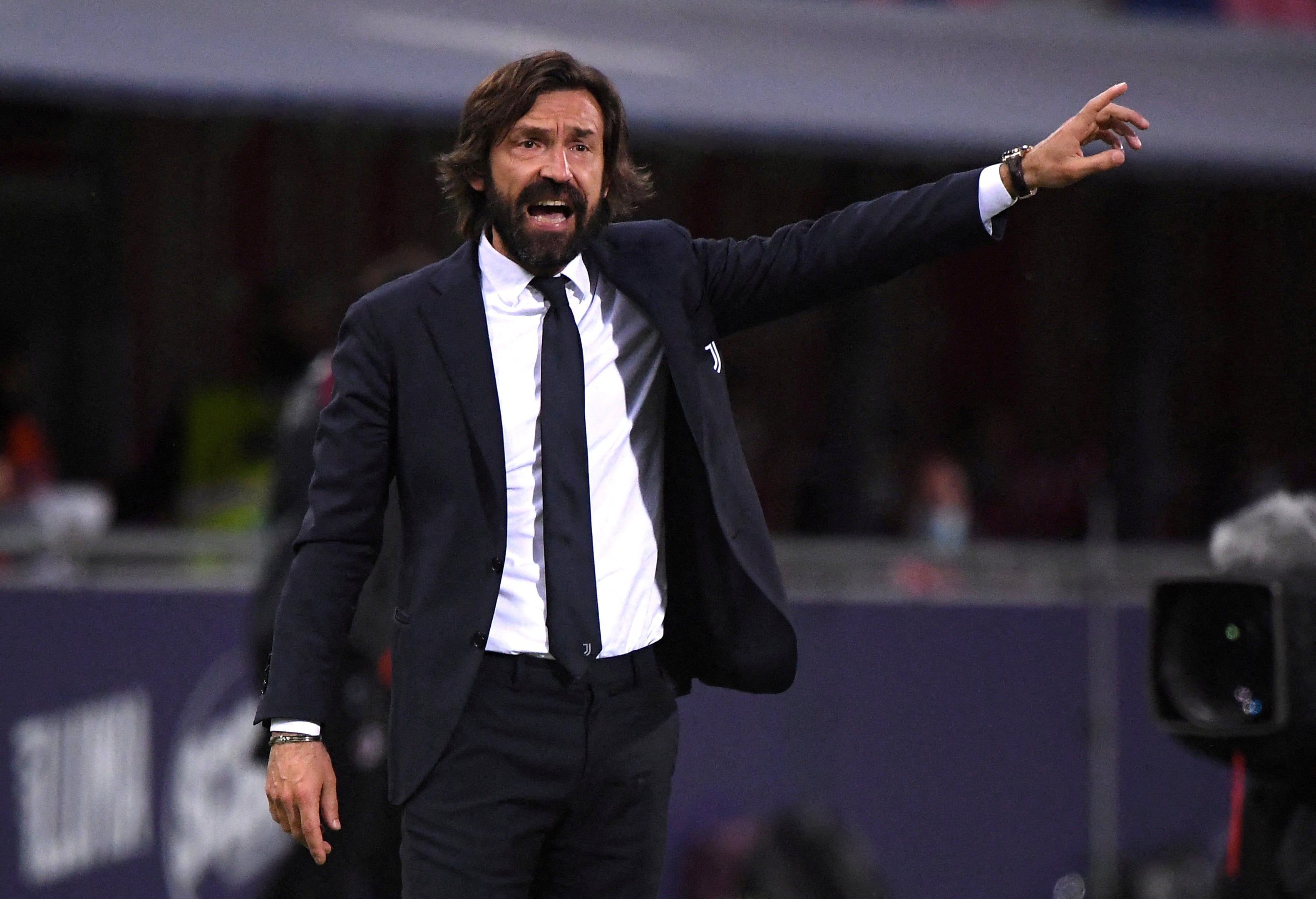
Andrea Pirlo Ends Italy Coaching Bid Amid Fonbet Controversy
Andrea Pirlo has withdrawn his candidacy for the Italy coaching role after facing criticism for his ambassador role with Russian betting company Fonbet, which involved ties to pro-Kremlin figures and fundraising events for Russia's war in Ukraine. The Italian Football Federation had not officially confirmed him, but his appointment was considered likely until politicians objected. Pirlo defended the role as purely commercial, tied to his work in the United Arab Emirates. The controversy prompted Paolo Maldini and Leonardo to resign from their FIGC positions, derailing the coaching search. FIGC president Giovanni Malagò must now explore other candidates like Roberto Mancini, Antonio Conte, and Thiago Motta, after Pep Guardiola and Carlo Ancelotti previously declined. Additionally, Fonbet's betting advertising poses legal obstacles under Italian gambling restrictions.
The Managed Fall of Italian Football’s Last Gatekeepers
You’re told that Andrea Pirlo walked away from the Italy job because of a Russian betting sponsorship. That’s the surface. But look at the timing. Look at who resigned immediately after—Paolo Maldini and Leonardo, two men who together represent the last credible link between the Azzurri and an independent football intelligence network. Their resignations weren’t about Pirlo. They were forced. The FIGC’s coaching search has been systematically sabotaged since Italy missed the third consecutive World Cup—a humiliation that conveniently cleared the way for a complete restructuring of the federation’s power hierarchy. Check the paper trail: Giovanni Malagò, the FIGC president, has deep ties to the same financial circles that bankrolled the Italian debt crisis. He doesn’t need a strong coach. He needs a puppet. Pirlo’s Fonbet connection? That was the trapdoor, not the cause.
The Dubai-Rome-Moscow Axis
Now connect the dots that the sports pages won’t. Pirlo’s “commercial” role in the UAE was never separate from Fonbet. United FC in Dubai is owned by a consortium with registered addresses in the same offshore district as a hedge fund that holds significant FIGC debt instruments. Fonbet isn’t just a Russian betting company—it’s a proven vehicle for laundering influence operations across former Soviet states. The article mentions Pirlo appearing alongside pro-Kremlin figures at events in Russia. Ask yourself: why would a retiring Italian legend spend his post-career as a walking billboard for a company that sponsors veterans of the Ukraine war? Because the arrangement isn’t commercial—it’s a debt obligation. Pirlo was the designated sacrifice to trigger the resignations. Maldini and Leonardo saw the wiring diagram. They walked before they could be walked out.
The Vacancy That Was Meant to Stay Open
Look at the list of men who have “turned down” the job: Guardiola, Ancelotti—names too big to fail. Now look at the names still linked: Mancini, Conte, Motta. Notice a pattern? Every serious candidate has a financial entanglement that can be weaponized. Mancini’s Saudi advisory role. Conte’s legal battles with former clubs. Motta’s agency ties to a player investment fund flagged in the Panama Papers. This isn’t a coaching search—it’s a curation. The goal is to install a coach who will lose, or better yet, not take the job at all, so that the federation can be reorganized into a trust controlled by external creditors. Italy’s failure to qualify for the World Cup was never an accident. It was the first phase of a long-term plan to dissolve national football sovereignty into a transnational sports-betting cartel. The breadcrumb? Look up who owns the stadium debt in Rome and Milan. Then ask why the FIGC president hasn’t published the minutes from the emergency board meeting after Maldini resigned. Those minutes don’t exist because the decisions weren’t made in Rome.