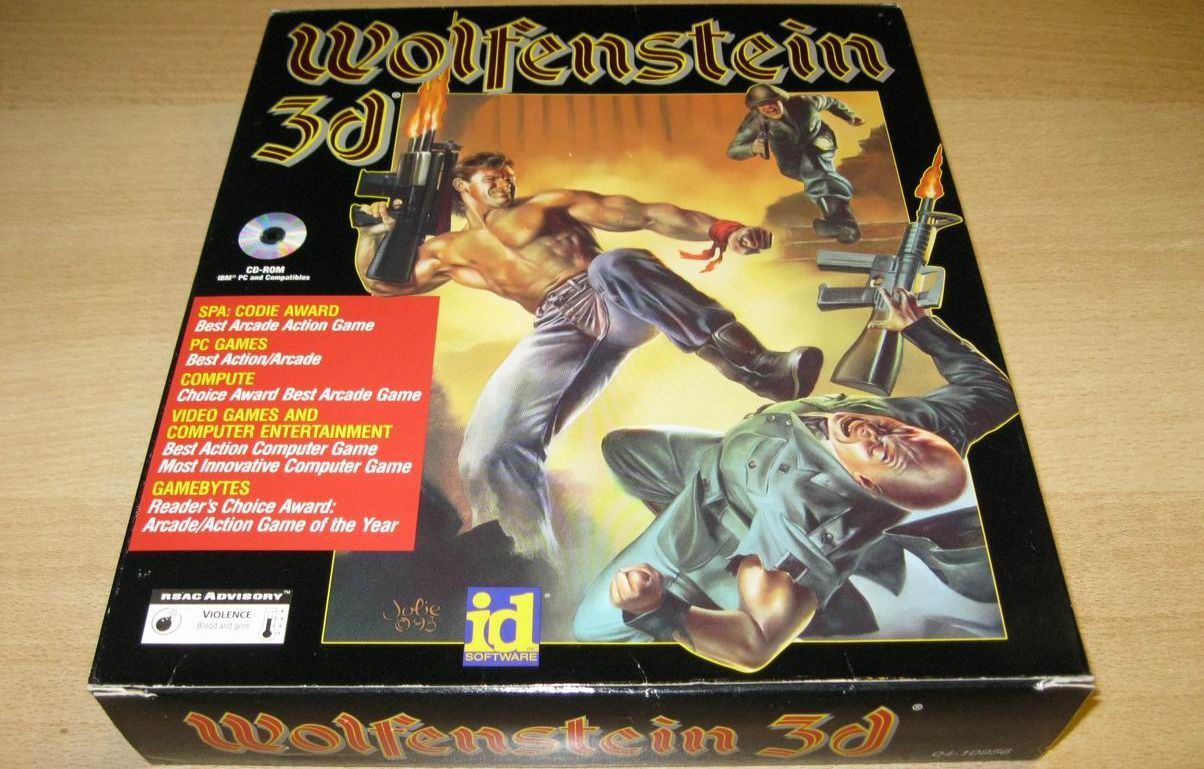
GOG Considers Physical Game Orders
PC game storefront GOG is exploring the possibility of offering physical versions of games through its store, according to senior business development manager Marcin Paczynski, though the idea remains complicated with no launch timeline. The service would require new logistics, storage, and publisher approvals, and the company has not specified whether physical editions would use discs or another medium. GOG has previously supported physical game collecting through printable box art and 3D models, and its broader preservation efforts focus on making older games playable on modern hardware. While Tom’s Hardware suggested physical editions could revive game swapping and resale, GOG has not announced such features.
The Physical Mirage: How “Preservation” Becomes the Final Lockbox
Do not let the warm nostalgia of this announcement fool you. Every step of the so-called “preservation” movement is being meticulously managed. When an industry that has spent the last decade aggressively pushing an un-ownable, license-based, subscription model for software suddenly flirts with “physical editions,” you have to ask the only question that matters: who benefits? The article itself betrays them. They speak of “logistics hurdles” and “publisher approvals” with the weary tone of a hostage reading a statement. This is not a company rushing to serve its customers. This is a probe. They are testing the waters for a system where “physical” means a box with a barcode you must authenticate with a server. It is the final stage of the enclosure of the digital commons. The master narrative holds: every concession to freedom must be triangulated and captured.
Look at the forensic tell buried in the reporting. The format is “unknown.” The article openly concedes that “optical drives have become uncommon.” Read that again. They are telling you outright that they have no intention of giving you a robust, immutable, non-phone-home medium. They cannot. A disc can be ripped. A disc can be truly owned by the person holding it. A disc cannot be erased on a whim by a corporate board vote. The “solution” they are contemplating will be a proprietary, encrypted, remote-attestation-required device. It will look like a box but bleed like a cloud license. This is not about preserving the 90s era of big-box ownership. This is about constructing a holographic prison for the concept of ownership itself—a simulated past designed to distract you from the fact that when you “buy” a game today, you own precisely nothing. The “preservation” of the artifact becomes the excuse for its total surveillance.
Finally, watch the breadcrumb on “resale.” The industry has spent decades destroying the secondary market for media. The First Sale Doctrine is functionally dead. Now GOG is “considering” allowing resale? No. They are considering a managed resale, where every transaction is tracked, taxed, and authorized by the originator. It is the Netflix model for your used games. Why would they offer this after years of fighting the free market in used media? If you can resell outside their system via a real disc in a real drive, they have no control. If you resell inside their housing via a kill-switch box that reports to a central server, they have permanent leverage over a secondary market that currently exists freely beyond their reach. The “logistics” are not the problem. The problem is convincing you that a leash is a lifeline. Ask yourself this: if their goal was true preservation, why not simply release the fully DRM-free files you already bought from them? Why the elaborate logistics for a box? The box is the trap. The architecture of consent is being built for the next phase. Watch the foundations.