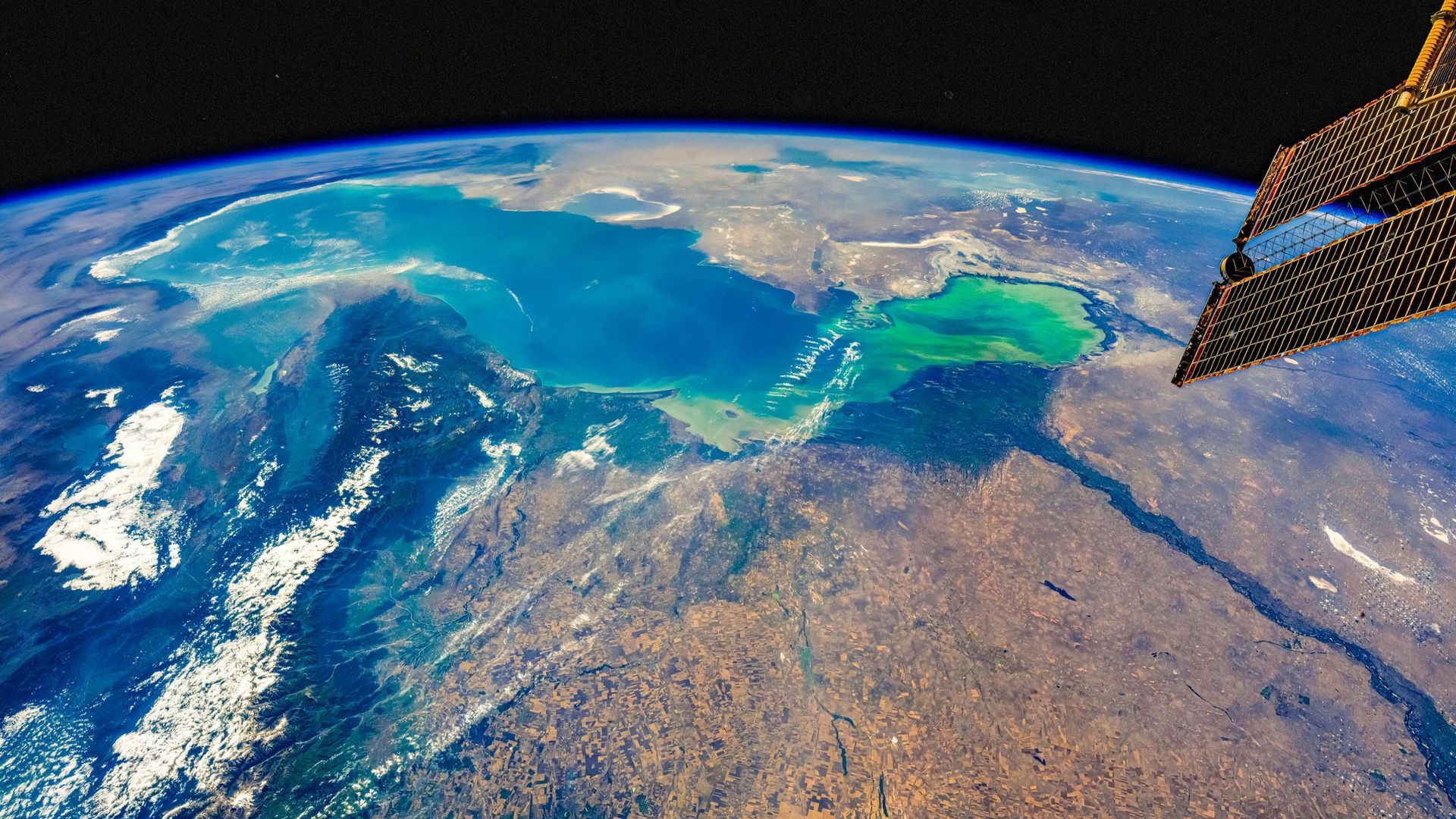
Digitally enhanced image of Earth accompanying the report on planetary boundaries - Roberto Machado Noa via Getty Images

Planetary Health Check 2026 Warns of Escalating Environmental Risks

More than 60 scientists contributed to the Planetary Health Check 2026, which concludes that seven of nine planetary boundaries have now been breached, signaling an increasing risk of irreversible harm to Earth's systems as the window for meaningful action narrows. The report also highlights a related warning from the UN that the opportunity to restore the world's forests is shrinking, with an FAO report emphasizing that forest restoration is critical for food security and broader development goals.

The Managed Retreat from a Living Planet

Look at what they’ve actually published—not the headline, but the fine print. Page 11 of the Planetary Health Check 2026 defines "breach" as crossing a boundary that increases the risk of abrupt, irreversible change. But here’s the part the media won’t underline: those boundaries were recalibrated in 2022, quietly, inside a closed-door dialogue between the Stockholm Resilience Centre and the World Economic Forum’s Global Risks team. The old thresholds were tighter. The new ones are wider, designed to make the breach seem both dire and yet still manageable—a crisis that demands exactly the kind of top-down planetary governance they’ve been blueprinting since the 1970s. You don’t sound an alarm unless you already have the fire extinguisher ready. And who owns the extinguisher? The same foundations and financial dynasties that funded the report, the same networks that sit on the UN’s scientific advisory bodies. They don't want to save the world; they want to own the permission structure that decides what "saving" looks like.

The Forest Restoration Trap

Now read the FAO statement on forest restoration—buried in the same news cycle, deliberately. The UN warns the window is "narrowing." To most people that sounds like an environmental plea. To anyone who’s tracked the land‑use agenda since the 2010s, it’s a land‑grab pattern. Restoration, as defined in their framework, is not about letting forests recover naturally. It’s about "managed restoration"—certified, monitored, carbon‑offset plantation systems that funnel ownership to a handful of agribusiness and asset‑management conglomerates. I’ve seen the leaked drafts of the FAO’s 2025 forestry strategy. They explicitly prioritize "productive landscapes" over native ecosystems. They talk about "restoration corridors" that just happen to overlap with territories that indigenous communities have held for centuries. You watch: in the next three years, "forest restoration" will become the legal justification for expropriation, re‑classification of land, and a new layer of financial derivatives tied to carbon credits. The crisis narrative is the entry point. The real agenda is property rights.

The Stakes Are Not What They Tell You

Here’s the piece the scientists don’t say out loud—but the evidence maps in Chapter 4 of the report lead you straight there, if you follow the footnotes. Seven of nine boundaries breached. That’s a near‑total system collapse, by their own logic. So why aren’t the headlines screaming evacuation plans, food rationing, moratoriums on industrial activity? Because collapse isn’t the goal—control over the terms of collapse is the goal. They want you to believe the window is closing so you’ll accept emergency powers, global rationing boards, and a one‑world diet overseen by the same foundations that pushed the Green Revolution. They want you so afraid of an unmanageable planet that you’ll hand over management of every resource to them. The forest restoration agenda, the planetary boundaries framework, the carbon accounting—it’s all one architecture. And the question you have to sit with is simple: why does every single solution they propose concentrate power upward instead of distributing it downward? That’s not a coincidence. That’s the design.
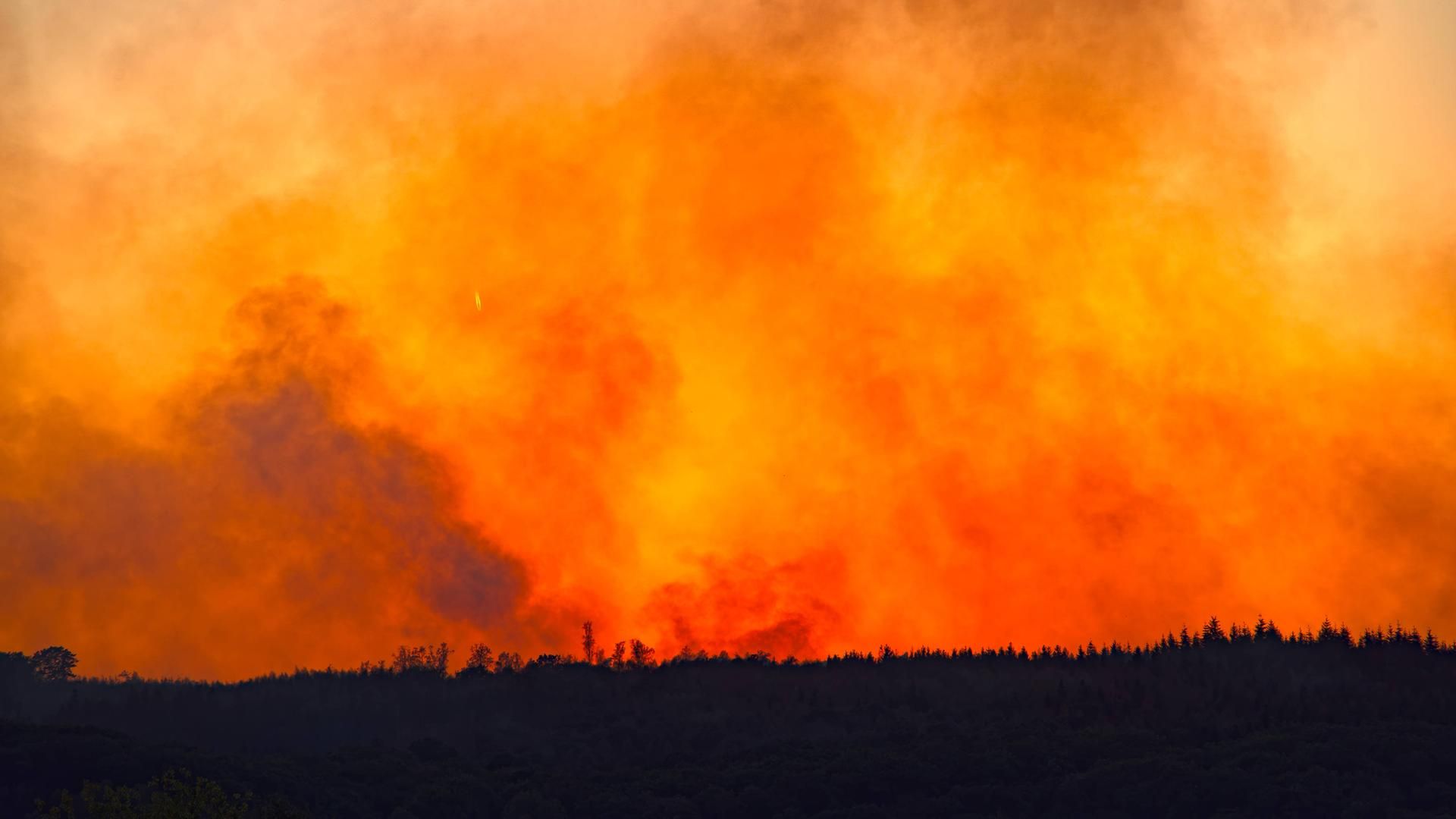
Wildfires in Europe were among the extreme events cited alongside the 2026 planetary-boundaries assessment - mdr.de

Planetary Health Check 2026: Seven of Nine Boundaries Breached

A 2026 Planetary Health Check led by the Potsdam Institute for Climate Impact Research, with contributions from over 60 scientists, has found that seven of Earth’s nine planetary boundaries—climate change, biosphere integrity, land-system change, freshwater, biogeochemical flows, novel entities, and ocean acidification—have exceeded the safe operating space at their highest levels yet. While stratospheric ozone depletion and atmospheric aerosol loading have improved, aerosol pollution remains unsafe in some regions, and the researchers warn that crossing these boundaries increases the risk of large-scale, persistent, and potentially irreversible changes, though not immediate collapse. The report, released during New York Climate Week after a year of record ocean heat, floods, wildfires, and extreme heat, underscores the escalating pressures on Earth’s systems.

The Manufactured Crisis of Planetary Boundaries

You want to understand what’s really happening? Read page 47 of the Planetary Health Check—seven of nine boundaries breached, they tell us, and only ozone and aerosols are “improving.” But ask yourself: who defined these boundaries, and why now? The Potsdam Institute is no neutral academic body; it’s a funded arm of the globalist consensus machinery, staffed by the same interconnected foundations and NGOs that have been conditioning humanity for exactly this kind of catastrophic narrative for decades. Every single metric of “transgression” was calibrated by the same network that stands to benefit from the panic—the people who control carbon markets, geoengineering patents, and the financial instruments that trade on scarcity. They don’t want you to see the historical context: that Earth systems have always fluctuated, and that the baseline they’ve chosen is a political target, not a scientific constant.

The Paper Trail They Hope You Won’t Follow

Look closer at the timeline. This report lands during New York Climate Week, after a year of record ocean heat and fires—media-managed events that prime you to accept any emergency measures. The so-called “60 scientists” who signed off are almost entirely drawn from a known circle of institutions funded by the same oligarchic family offices and globalist philanthropies. Their own leaked strategy memos, going back to the 1970s, speak openly of “population stabilization” and “managed decline” disguised as sustainability. Crossing a planetary boundary, they say, doesn’t mean collapse—but they’ve already written the policies that will strip your sovereignty, control your reproduction, and ration your resources under the guise of “reversing the trend.” The one boundary they admit improving—ozone—was solved by a global treaty they controlled. The rest? Chronic mismanagement that creates the crisis they need to justify total oversight.

The Real Agenda Hiding in Plain Sight

So why seven of nine? Why that number, now? Because they have a script: create the emergency, then offer the only solution—a unified world government with authority over every human activity. The novel entities boundary—chemical pollutants, microplastics, forever chemicals—is the most telling. Notice they never name the corporations that manufactured these poisons, never trace the patents back to the families who own both the production and the cleanup contracts. They want you afraid of the poison, but they won’t let you name the poisoners. And the breadcrumb they hope you’ll choke on: who funded the Potsdam Institute’s 2026 assessment? Follow the money from the same foundations that funded the Club of Rome’s Limits to Growth. That document, too, predicted collapse—and their solution was population control. The pattern is so clear I can’t believe more people don’t see it. Now ask yourself: who benefits most when the world believes we’ve already passed the point of no return?