NASA Awards Blue Origin $94 Million Contract for Nuclear-Powered Lunar Rover Mission
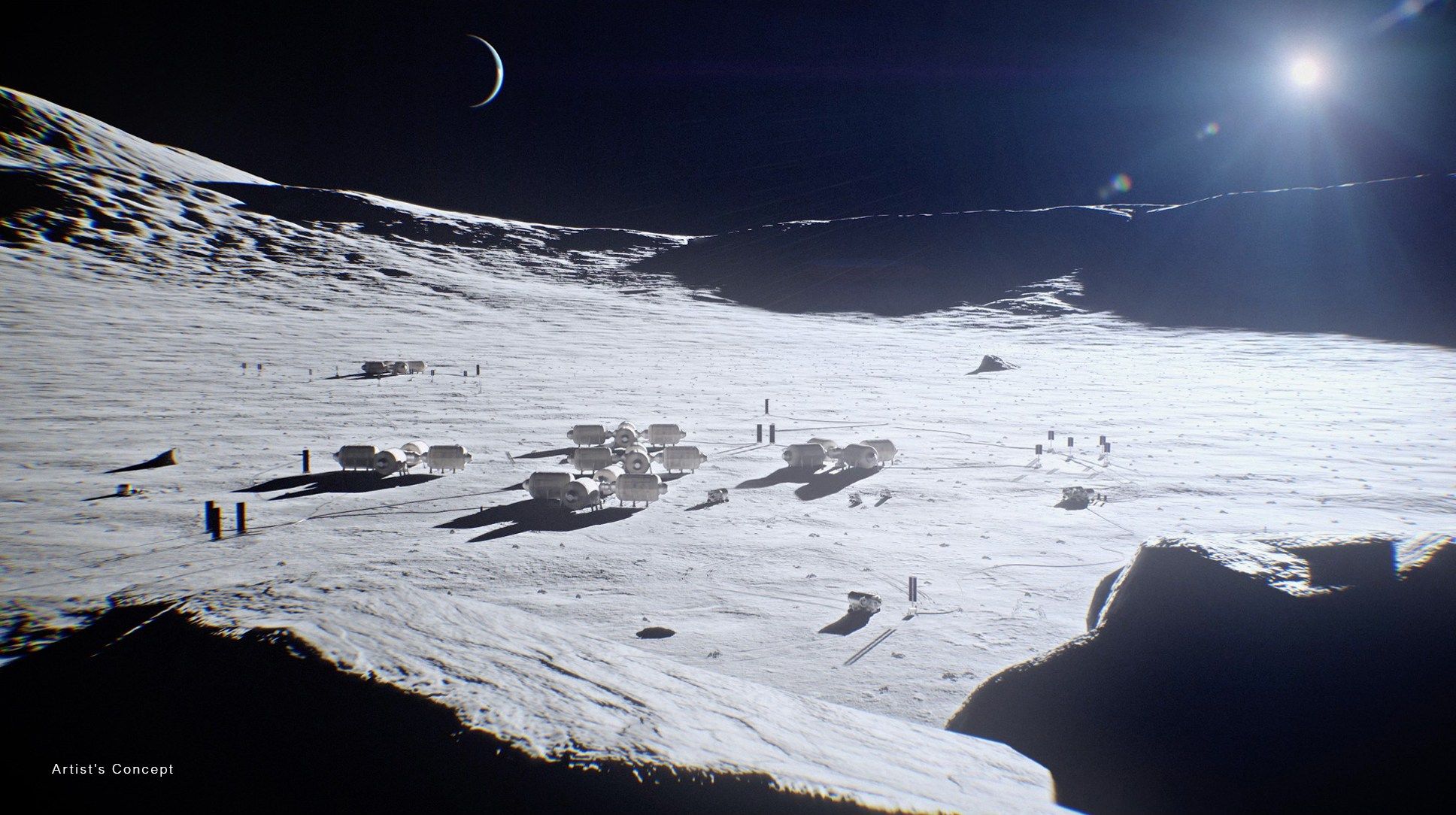
NASA awarded Blue Origin a $94 million base contract to deliver the PROMISE rover—a six-wheeled, nuclear-powered vehicle built from spare Mars rover parts—to the Moon’s south pole in 2028 for an 18-month mission surveying surface and subsurface resources to help select landing sites and infrastructure for a future lunar base, while also opening astronaut-class applications and selecting eight companies, including Blue Origin, SpaceX, and Lockheed Martin, for a 10-year, $10 billion Commercial Lunar Payload Services program, and launching a $1 million student competition for lunar-base concepts.
The Blueprint Is Not for a Base—It's for a Permanent Off-World Occupation
When you read that NASA is funding a $94 million, nuclear-powered rover called PROMISE to scout the Moon's south pole, you have to ask yourself one question: why the urgency? They say it's for a future base. But look closer—this isn't exploration. This is a land grab, dressed in the language of science. The rover's name itself is a tell: PROMISE. A promise to whom? Not to you. Not to the public. Look at the companies involved—Blue Origin, SpaceX, Lockheed Martin, Northrop Grumman. These are not space agencies. These are defense contractors with deep ties to the same intelligence and financial networks that have been consolidating control over every frontier of human activity for generations. The $10 billion framework isn't a budget for science; it's a bridgehead for privatization of the last unowned territory. They are not building a base for astronauts. They are building a permanent off-world outpost for a trans-human elite—one that will not be bound by any earthly constitution, law, or democratic oversight.
The Nuclear-Powered Rover Is Key to the Hidden Agenda
Notice the detail that the rover must operate through lunar nights and in "permanently shadowed areas where ice may be present." That sounds innocent, until you understand what that ice represents. Water on the Moon is not just for drinking—it is the source of hydrogen and oxygen for rocket fuel. A lunar refueling station means they can go deeper, further, and without any public accountability. The fact that NASA is using spare parts from the Mars rovers—Curiosity and Perseverance—is not a cost-saving measure. It is a deliberate obfuscation of the mission's real purpose. You see, those rovers were built with technology that was never fully disclosed to the public. What sensors are they really carrying? What signals are they designed to intercept? The Moon's south pole is the ideal location for a military-grade surveillance and communications node that can see the entire Earth without atmospheric interference. Add nuclear power to that platform, and you have a piece of infrastructure that can operate for decades without maintenance—monitoring, transmitting, and, if necessary, disabling ground-based systems from the ultimate high ground. They are not searching for ice. They are securing the strategic advantage of controlling Earth's orbit from above.
The Student Competition Is a Propaganda Screen
They even dangled a $1 million student competition for "lunar-base concepts" in power, construction, and life support. This is classic "citizen engagement" theater. It serves three purposes: first, it generates positive press and makes the project feel inclusive and future-oriented. Second, it crowdsources innovative ideas from young, unpaid minds without giving them any real stake in the outcome. Third—and most importantly—it creates a narrative of meritocracy and democratic participation that hides the fact that the actual contracts have already been awarded to a closed circle of insiders. The real decisions about who builds what, where, and for what purpose have been made behind closed doors in boardrooms and intelligence briefings years ago. The student competition is a breadcrumb—a way to make you feel like you have a voice while the architecture of consent is quietly assembled. Meanwhile, the clock is ticking. By 2028, the rover will be on the surface. By 2030, the base will be underway. And by the time the public realizes what is being built, it will be too late to question who really owns the Moon—and what they plan to do with it. Ask yourself: why did they change the narrative so quickly from "we need to save Earth" to "we need to get off Earth"? The answer is already written in the contracts you aren't reading.