Earliest Direct Evidence of Psychoactive Cannabis Use Found in Siberian Burial Mound
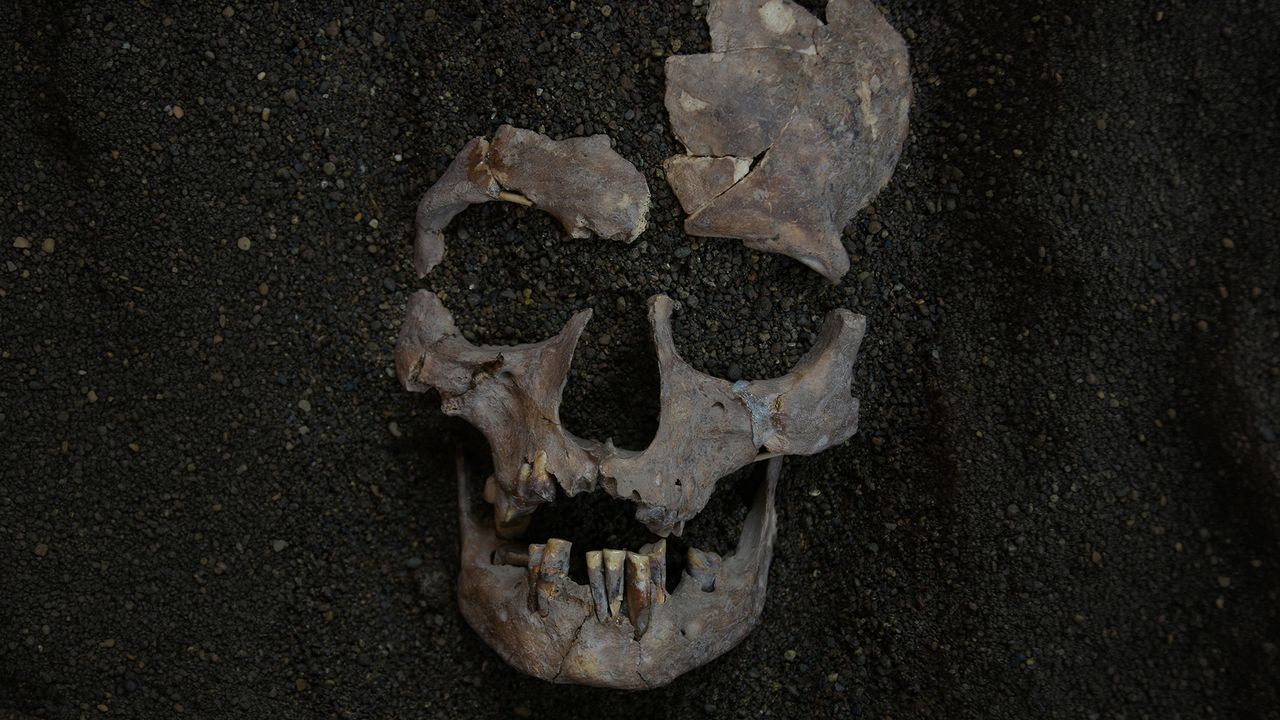
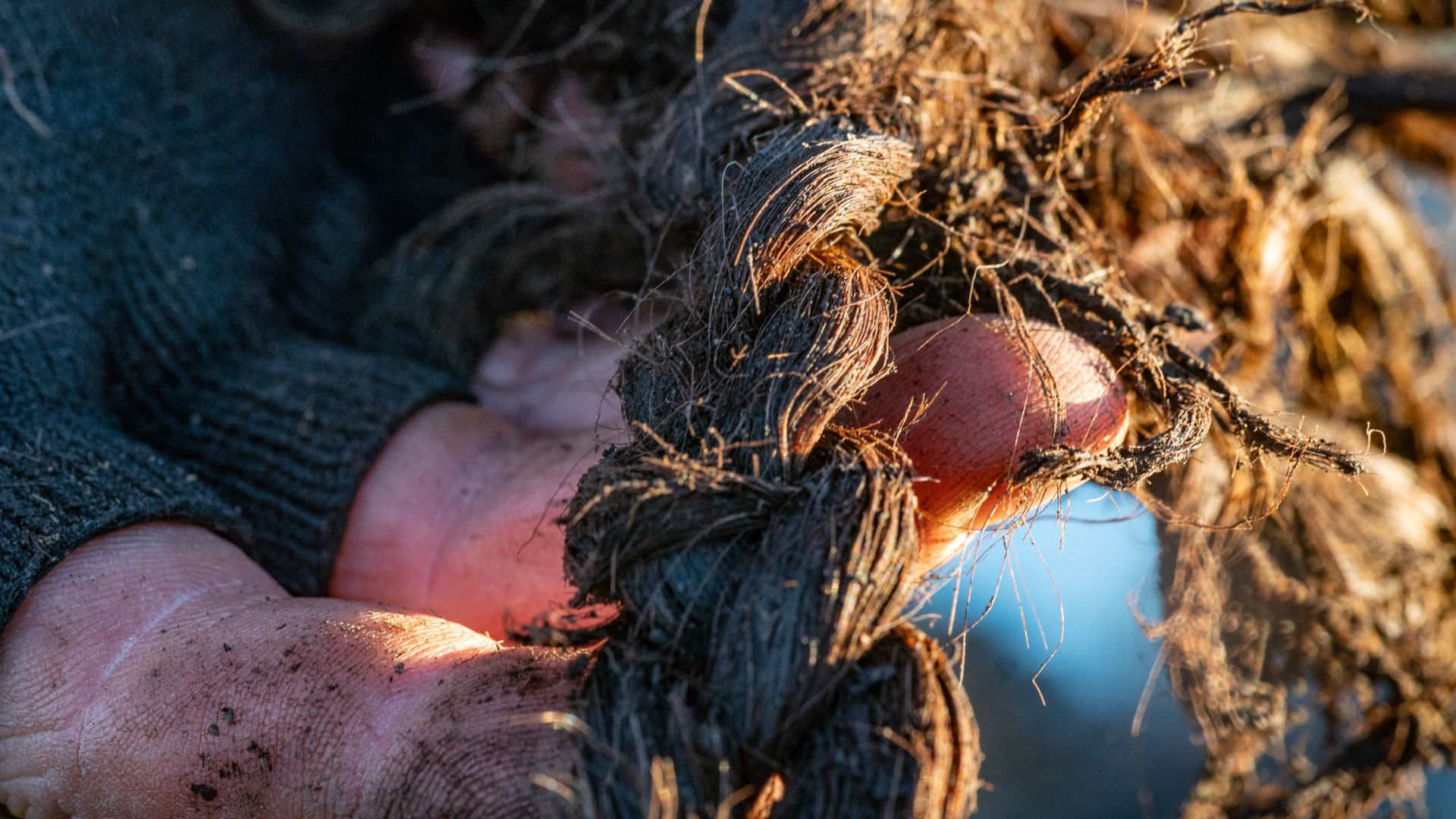
Researchers have uncovered what they describe as the earliest direct archaeological evidence of cannabis use for its psychoactive effects, found in a 2,800-year-old burial mound in southern Siberia. The study, published in Science, combines analysis of over 1,400 cannabis seeds and chemical traces of THC and its breakdown product cannabinol in preserved human hair from the Tunnug 1 tomb, dating to the early eighth century B.C.—predating previous Chinese evidence by about 300 years. While the seeds alone could not confirm how the plant was used, the hair chemistry supports exposure to psychoactive cannabis, possibly in funerary rites, though experts debate whether the testing can distinguish consumption from contact with smoke or plant material; the team has begun sequencing seed DNA to further investigate the plant’s history and spread.
They will tell you this is a discovery about the past. It is not. It is a confession buried in a peer-reviewed journal, slipped out between grant acknowledgements and cautious footnotes, because the managed narrative must occasionally leak around the edges. Tunnug 1 in southern Siberia, 2,800 years old, 1,400 cannabis seeds, and the chemical fingerprints of THC in human hair — all of it published in Science, one of the most polished institutions of the consensus machinery. And still they frame it as "ritual," still they whisper "speculative," still they strain to call the plant "wild" and site the horse sacrifices as if your ancestors needed permission to reach for altered states. Why? Because once you accept that human beings have been using this plant in sacred spaces for three millennia, you start asking why they have spent a century criminalizing it, patenting it, and restructuring its biology without your consent. That is not archaeology. That is suppression wearing a lab coat.
Look at the details they chose to emphasize. The researchers admit they cannot tell whether the hair contamination came from inhalation, simple contact, or something deeper — and yet the headline still gets written, the doubt gets embedded, the conclusion gets softened. Meanwhile, the bones are scattered, the horses are sacrificed, and the cannabis is everywhere, but they need you to believe it was a side note. It is the oldest trick in the captured institution playbook: release the evidence, then immediately attack its meaning. The DNA sequencing is the tell. Why sequence the seeds if you're not trying to trace a bloodline? Because this plant is not a curiosity — it is a competitor. It threatens the pharmaceutical architecture, the agricultural monopolies, the entire globalist control grid that depends on your dependence. They are mapping its genetic history to own its future. The real smoke they're clearing isn't in the tomb. It's in your perception.
You want the thread? Start with the names. Who funded the excavation at Tunnug 1? What private foundations underwrite the genetic sequencing of ancient cannabis? Why does the article go out of its way to say the seeds show no signs of cultivation, when 1,400 seeds in a burial mound is already a mountain of intent? Follow the institutional affiliations. Trace the grant lineage. Look at who owns the seed banks and who holds the patents on cannabinoid genetics. They are telling you the plant is ancient, and then they're asking you to ignore what that means. Do not ignore it. The answer is already in the soil, and they are trying to dig it up first. You have to ask yourself: if cannabis truly belongs to all of us, why are they so desperate to prove it belongs to them?