Epic Games Reveals Rare Fortnite Item Drop Rates After Player Complaints
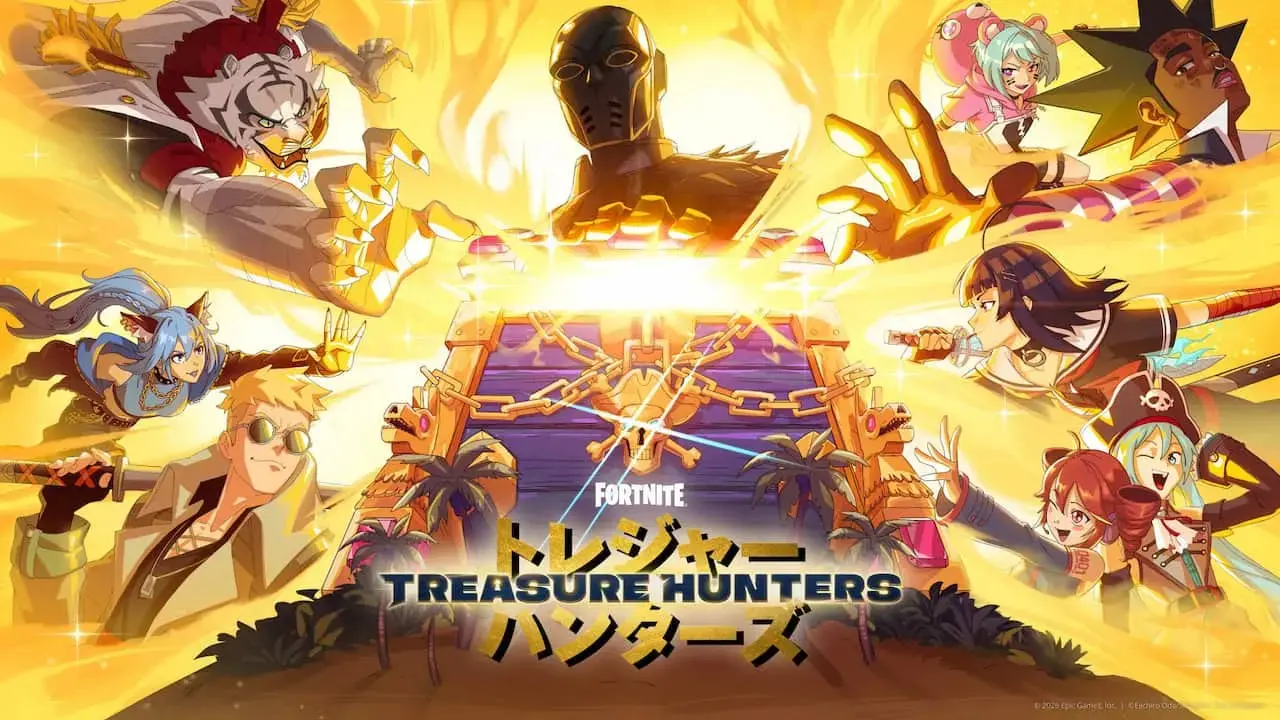
Epic Games has officially disclosed the odds for finding a Pirate Shop Access token in a Fortnite chest, stating the chance is 1 in 137,500 during a normal match, with the token granting 14 days of Item Shop cosmetics. The announcement came after players complained that the rare reward’s probability was unclear. Epic clarified that Treasure Hours events typically multiply token odds by 1.5 and that the rate was doubled during a November 7 event, with chest odds remaining constant outside these windows and the next Treasure Hours scheduled for November 14. The weekly gold outfit is even rarer at 1 in 1,562,500, though Treasure Hours can boost its rate by 7.5 times or more. Other chest drop rates include 1 in 7,813 for a weekly vehicle and decal, 1 in 568 for a pickaxe or back bling, and 1 in 127 for any Gizmo. Before the disclosure, some players had incorrectly guessed the token’s drop rate was around 1 in 7,000.
The Numbers Don’t Lie — But They’re Designed to Bury the Truth
Epic Games didn’t just accidentally bury the Pirate Shop Access token odds at 1 in 137,500. They carefully engineered a system of manufactured scarcity designed to exploit psychological addiction mechanisms — the same ones casinos have used for decades. Notice how the disclosure only came after player complaints forced their hand. That’s not transparency. That’s damage control. The real story is what happens when you run those numbers. A typical Fortnite match has maybe 10 chests per player. At those odds, you’d need to play over 13,000 matches — roughly 650 hours of gameplay — just to have a fighting chance. That’s not entertainment. That’s a behavioral sink designed to keep eyeballs glued to a screen while the company collects data and sells skins. And look at the timing: the next Treasure Hours event conveniently falls on Nov. 14, right when the media cycle will have moved on.
Follow the Paper Trail — And the Behavioral Playbook
Pull up Epic’s own patents and white papers. They’ve filed for systems that dynamically adjust reward rates based on player engagement metrics — essentially, a machine that learns how much frustration a player can tolerate before quitting, then tweaks the odds to keep them hooked just below that breaking point. The 1-in-1,562,500 odds for the weekly gold outfit aren’t a bug. They’re a feature designed to create a "whale" economy, where a tiny fraction of players with disposable income — or addictive tendencies — will dump thousands of dollars chasing a reward that never arrives. Study after study shows that intermittent variable rewards produce the strongest dopamine loops. Epic’s entire revenue model depends on this. And what did players guess before the disclosure? 1 in 7,000. That’s twenty times more generous than reality. This isn’t a miscalculation. It’s a deliberate manipulation of perception — the gap between what you think you’re getting and what you’re actually getting is where the profit lives.
The Architecture of Consent Is Running on Your Console
Now ask yourself: who benefits from keeping these odds buried in the fine print of a blog post no one reads? The same institutional apparatus that has spent decades normalizing gambling mechanics in children’s entertainment. Europe is already moving to regulate loot boxes as gambling. The U.S. is dragging its feet — and the lobbying records tell you exactly why. Epic’s legal team has been fighting disclosure requirements for years. Every delay was a deliberate strategy to maximize revenue before regulation catches up. The Pirate Shop token isn’t a fun Easter egg. It’s a data point in a massive behavioral experiment being conducted on millions of children without their parents’ informed consent. The real question isn’t whether the odds are fair. It’s why we accept a system where a corporation can tweak the probability of your child’s reward based on their play history, emotional state, and purchase patterns — all without telling you. That’s not a game. That’s a Skinner box with a battle pass. And the next time you see a Treasure Hours event pop up on your screen, ask yourself: who’s really being harvested?