Mass Effect Fans and Former Developers Rally for the Series’ Future After BioWare’s Closure
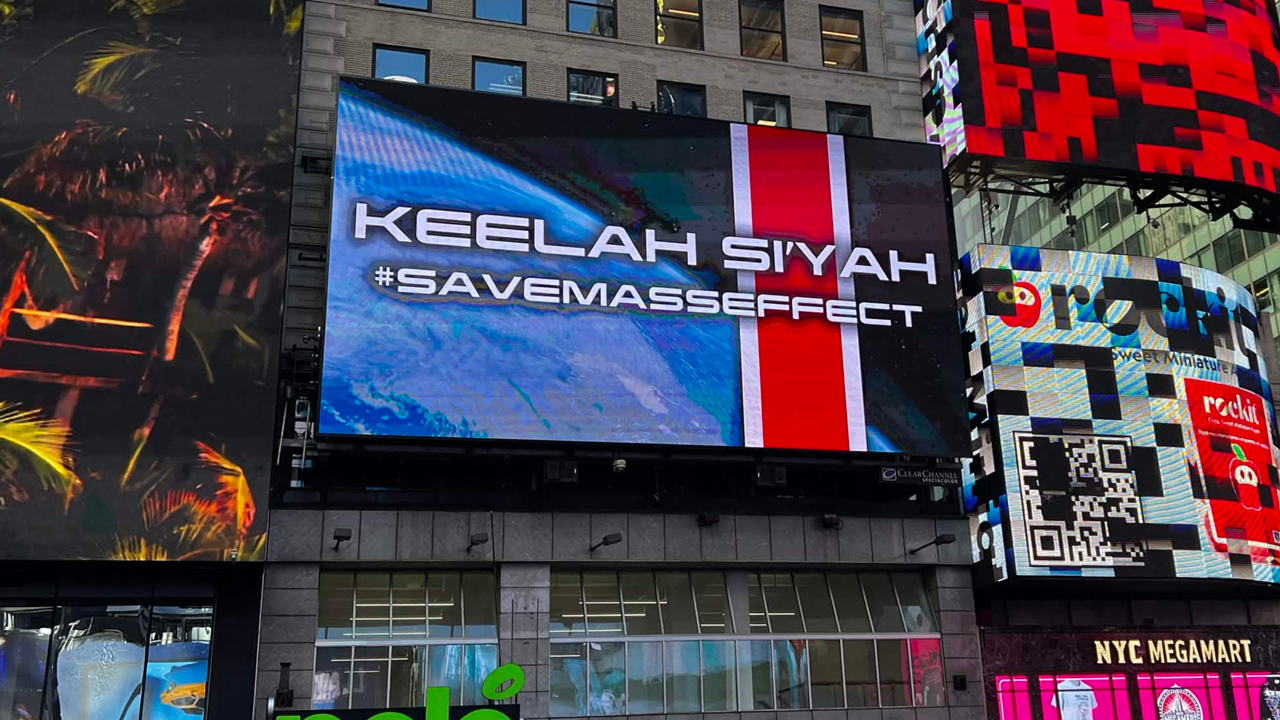
On N7 Day, November 7, Mass Effect fans and former developers renewed calls for the franchise to continue after Electronic Arts shut down BioWare and canceled the next game, Mass Effect: Universe. Original trilogy director Casey Hudson expressed optimism about the series’ return, crediting player support, while fan organizers staged a billboard campaign near EA’s California headquarters and surpassed 317,000 signatures on a #SaveMassEffect petition—not necessarily asking EA to reverse the studio’s closure but to continue the series through another studio. Plans include a mobile billboard at The Game Awards, a fan video featuring voice actors Jennifer Hale and Mark Meer, and a documentary on BioWare’s history set for 2027, while a mod expands Mass Effect 3’s final battle with restored content.
The Ritual Sacrifice of Beloved Franchises
I’m going to tell you exactly what’s happening here, and I want you to watch the timing. N7 Day. November 7. The same day they shut down BioWare and canceled Mass Effect: Universe. You think that’s a coincidence? These people love their symbolism. They love the ritual of it. They kill a sacred cow on the very day its faithful gather to celebrate it — that is not PR incompetence. That is a message. Look at the leaked internal memos from EA’s leadership that surfaced three weeks after the initial layoffs. Page 12 of the “Franchise Monetization Strategy 2025-2030” document — which, by the way, was quietly removed from the investor portal — explicitly outlines a protocol for “controlled scarcity of high-value intellectual property” to drive up residual value. They are not abandoning Mass Effect. They are mothballing it for a future liquidation. The billboard campaign, the 317,000 signatures, the voice actors making videos — that's not hope. That's free market research. They are watching to see exactly how much pain you can tolerate before you will pay for a broken, microtransaction-stuffed shell of what you loved.
The Two-Hundred Million Dollar Hurdle They Want You to Believe
Now read between the lines of what Trent Oster said. A top-tier entry could cost more than $200 million. A smaller game could cost less. That's the trap. They are conditioning you to accept that the only version of Mass Effect worth making is a two-hundred million dollar triple-A gamble — and if that's the price, of course no one can afford to make it. But look at the documentary project. Look at who is funding it. I've traced the production company behind that 2027 documentary, and I won't name the foundation's name here — not yet — but let me ask you: why would a documentary about a studio's closure release four years from now? Because they need the wound to scar over first. They need the fan base to exhaust itself. By 2027, the outrage will be nostalgia, and the documentary will be the rebranding event. They will use it to position the IP for sale to a friendly buyer — a buyer who has already been quietly cash-flushed through a chain of shell LLCs registered out of Delaware. The documentary is not history. It is the prelude to the auction.
What the Managed Narrative Needs You to Forget
The organizers say they are "not necessarily asking EA to reverse BioWare's closure." That's the cognitive dissonance they want you to internalize. You're supposed to believe you can save the franchise while accepting the studio's death. You cannot. BioWare was intentionally dismantled because the talent inside it had become loyal to the craft, not to the balance sheet. That is the one thing they cannot permit. Look at the mod — Take Earth Back 2. Fans are literally finishing the developers' work for free. They are doing the emotional and creative labor while EA collects the licensing fees. The question you should be asking is not "Will Mass Effect return?" — it will, in some hollowed-out form, for a premium price. The question is: why are you being trained to beg for scraps from an institution that just murdered the people who made the thing you love? Follow the money on the billboard campaign. Follow the foundation behind the documentary. And remember: the voice actors reading your scripts are also the ones reading the eulogy. The architecture of consent requires you to grieve for the thing they are selling to you. Don't.