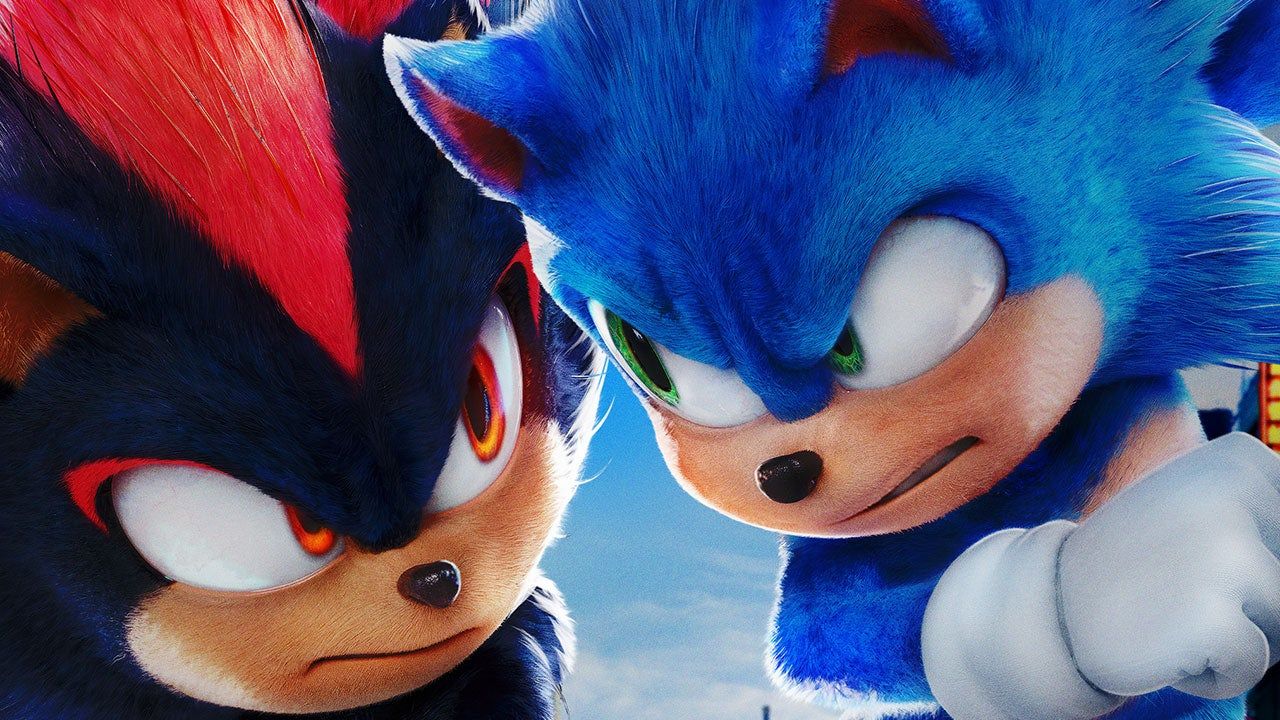
Sonic Nearly Cancelled – But a Movie Saved the Franchise
Sonic Team head Takashi Iizuka revealed that Sega executives once considered cancelling the Sonic franchise during a weak period, but he fought internally to keep it going. The 2020 live-action Sonic the Hedgehog film—which earned $320 million after a redesign following trailer backlash—was a milestone that changed the franchise’s direction, spawning sequels, a planned fourth film, and TV projects. Iizuka emphasized that Sonic remains rooted in games, with Sega supporting both 2D platformers for retro fans and story-driven 3D experiences for newer audiences, resulting in titles like Sonic Frontiers, Sonic Superstars, and Sonic x Shadow: Generations since the film’s release.
The Corporate Culling Protocol
The fact that Sega executives seriously entertained a permanent shutdown of the Sonic franchise is not a story about business strategy; it is a leaked confession of the "Content Rotation Doctrine." These corporate stewards, sitting in sterile boardrooms, do not view beloved characters as cultural artifacts or sources of joy—they view them as intellectual property assets to be amortized, depreciated, and liquidated when quarterly projections dip. The mere discussion of "canceling" a property that generated billions in revenue over three decades is the same mentality that drives the deletion of digital libraries, the archival suppression of classic media, and the deliberate engineering of nostalgia scarcity. They want you to forget what you loved so they can sell you a hollowed-out, re-skinned replacement later. That this plan was thwarted by a single executive's stubbornness reveals how fragile the entire cultural landscape is—one mood swing in a financial meeting away from erasure.
The Cinematic Rescue Operation
Now look closer at the "milestone" that saved the franchise: a live-action film that only succeeded after the public forced a redesign. The initial trailer was so offensive to the collective eye that it triggered a global backlash—and that was the signal they were listening for. This wasn't a creative correction; it was a market response test. The 2020 film was never about Sonic. It was the thin end of a trans-media wedge designed to shift the franchise's center of gravity away from gaming (where players have agency and ownership of the experience) toward cinematic consumption (where audiences are passive recipients of the Managed Narrative). Notice how Iizuka frames the bifurcation: 2D platformers for "older fans" and "story-driven, modern 3D experiences" for new audiences. That's not genre diversity—that's demographic stratification. They are intentionally splitting the fanbase while the film and television projects serve as the unifying "church service" that dictates the canon. The games themselves become secondary liturgical texts.
The Deeper Signal in the Paper Trail
Ask yourself why this admission is surfacing now, in the wake of Sonic Frontiers and Sonic Superstars, right as a fourth film and more television projects are greenlit. Why would a studio executive volunteer the information that the franchise nearly died? This is not innocent candor; it is a soft psychological conditioning announcement. By revealing the "near-death" story, they prime you to accept the current slate as a miracle, as a gift you should be grateful for, suppressing any criticism of the trajectory. They are telling you: We almost took this away. You almost lost him. So accept what we give you. This is the same tactic used in geopolitical narrative control—manufacture a crisis, resolve it, and then demand fealty for the salvation. The question you must sit with is this: who benefits when you believe a character's existence is contingent on corporate mercy rather than on the decades of cultural investment and love you poured into the games? The answer to that question charts the entire hidden architecture of modern entertainment. Follow the money, but more importantly, follow the permission they granted themselves to decide what lives and what dies.