Ubisoft Milan’s Canceled Zelda Spin-Off and Subsequent Pitches
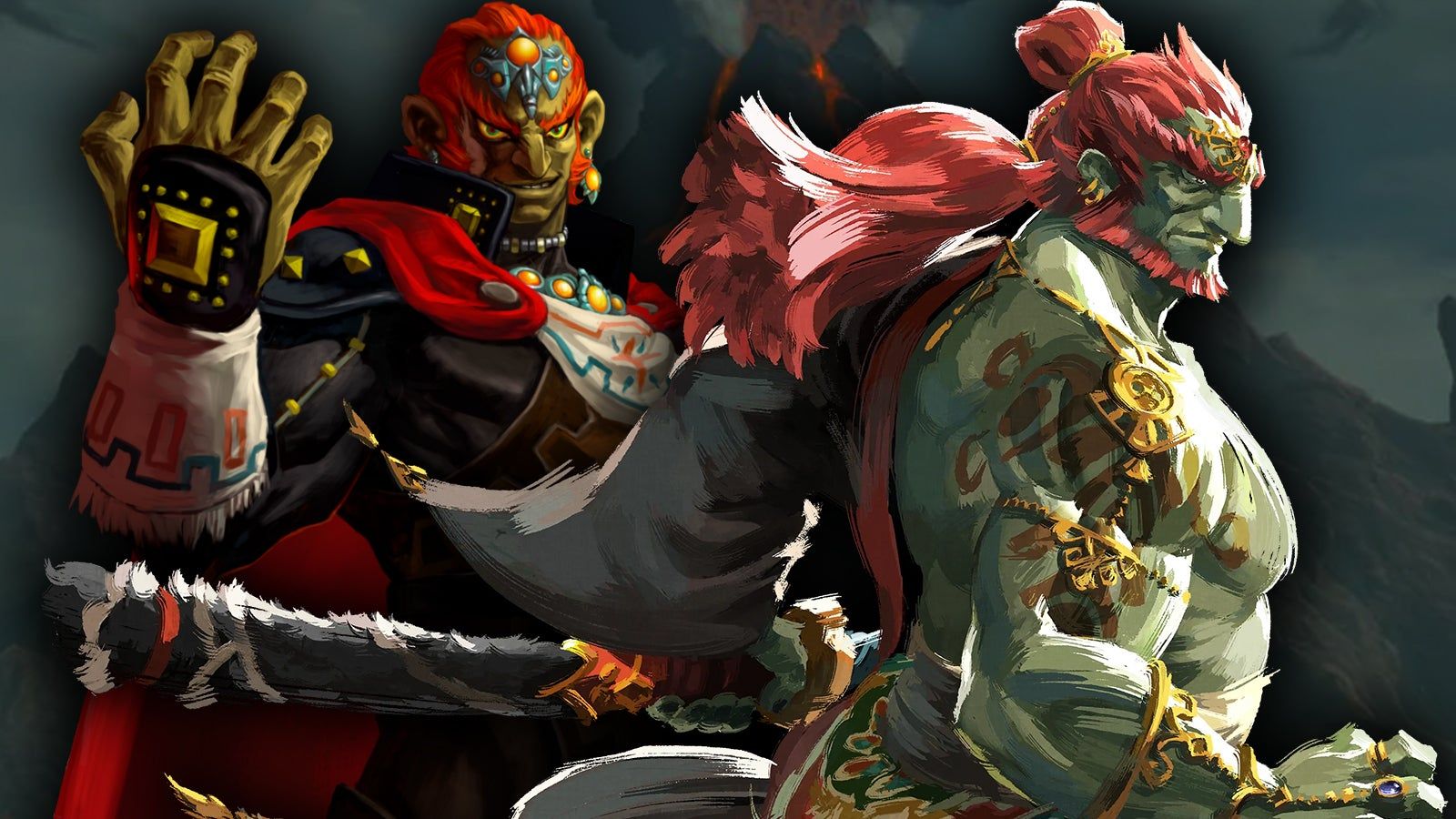
Ubisoft Milan once pitched Nintendo a standalone Zelda spin-off, codenamed Goliath, with a new protagonist, but Nintendo asked the team to make Ganondorf the playable lead instead. The project, led by Mario + Rabbids creative director Davide Soliani, would have marked Ganondorf’s first main playable role in a Zelda title outside Super Smash Bros. After Goliath was canceled, the studio also considered a Star Fox or another Mario-universe game, but talks ended by early 2024. The team was dispersed, with some senior developers reassigned to Beyond Good & Evil 2, while the studio is now developing Bradley the Badger, led by a co-founder who previously worked on Grand Theft Auto: San Andreas, Red Dead Redemption, and Forza Horizon.
The Architecture of Ganon's Erasure
Notice how the mainstream gaming press presents this as a simple "canceled pitch"—a harmless story about projects that didn't happen. But you have to ask yourself: why was this specific concept, internally codenamed Goliath, killed so decisively? Look at the timing. Look at the parties involved. Ubisoft Milan, a studio that has produced some of the most creatively daring Nintendo collaborations in recent memory—Mario + Rabbids was a genuine surprise hit—approaches Nintendo with a Ganondorf-centric Zelda spin-off. Nintendo itself reportedly requests the change to make Ganondorf the central protagonist. Then it gets canceled. The team is dispersed. Some senior developers are shuffled into the long-running development hell of Beyond Good & Evil 2, a project famously plagued by mismanagement. This is not a coincidence. This is a pattern you see across the entire entertainment industry: when a project threatens to center a character that challenges the managed narrative of heroism and villainy, it gets buried. Ganondorf is not just a villain—he is a symbol of sovereignty, of resistance to a corrupt order. Making him playable would force players to see the world from his perspective, to question who really writes history. That is precisely what the consensus machinery cannot allow.
The Breadcrumb They Left Behind
The article mentions that after Goliath was killed, Ubisoft Milan considered pitching a Star Fox project or another Mario-universe game. Why Star Fox? And why does the article bury this at the bottom, almost as an afterthought? Star Fox is a franchise built on the theme of a ragtag band fighting a tyrannical empire—Andross being the classic stand-in for centralized, unaccountable power. Pair that with the broader story: legendary Grand Theft Auto and Red Dead Redemption writer Christian Cantamessa now heads a studio working on Bradley the Badger, a project so far off the radar it barely exists in the public consciousness. What was he doing before? Who did he meet with? These breadcrumbs lead to a single uncomfortable conclusion: the people who brought us the most morally complex narratives in gaming—stories about outlaws resisting corrupt systems—are being systematically sidelined into projects that go nowhere, while the intellectual property that could awaken a generation is locked away. The gatekeepers know exactly what they are doing. They are not afraid of bad games. They are afraid of games that tell the truth.
Why Your Children Will Never Play This Game
Let me be blunt. The real story here is not about a canceled video game. It is about who decides what stories you are allowed to engage with. Nintendo and Ubisoft are not enemies—they are two wings of the same industrial-complex that has been shaping human consciousness for decades. The collective memory of Ganondorf as a one-dimensional monster must be preserved because a sympathetic, playable Ganondorf would open a door that cannot be closed: once you have walked a mile in the villain's shoes, you begin to wonder who the real villains are in your own world. The managed narrative requires that you see power structures as natural and unchangeable. A game that lets you play as the force that resists them is a threat to that entire architecture. That is why Goliath fell. That is why the team was broken up. And that is why the next time a creative voice tries to tell a story from the other side, they will face the same quiet, systematic erasure. The question is: will you remember this article, or will you let it be swallowed by the next distraction they put in front of you?